


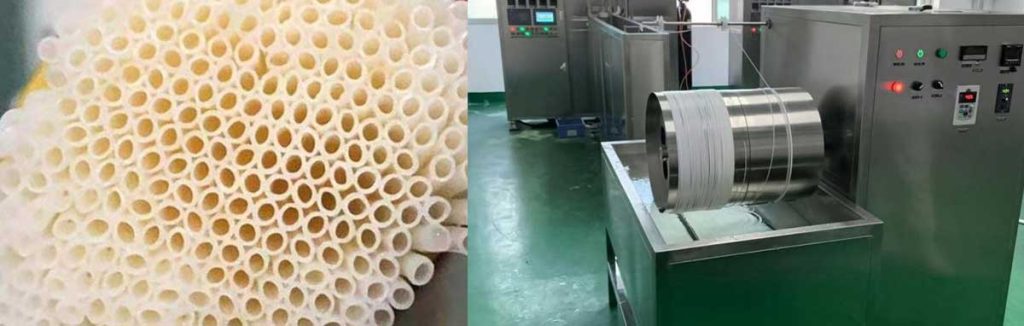
A hollow fiber membrane spinning machine gives manufacturers precise control over membrane size, structure, and performance. Automation and process control improve consistency and reduce resource waste. The global market for these machines reached 1,678.9 million USD in 2024 and will grow steadily, reflecting rising demand for advanced filtration. Multi-size membrane production addresses diverse needs in water treatment, pharmaceuticals, and biotechnology.
- Microfiltration removes large particles and bacteria.
- Ultrafiltration targets smaller contaminants and some viruses.
- Nanofiltration eliminates dissolved organics and ions.
- Reverse osmosis allows only water molecules through.
Key Takeaways
- Hollow fiber membrane spinning machine provides precise control over membrane size and performance, enhancing filtration efficiency across various industries.
- Automation in membrane production reduces labor costs and increases speed, ensuring consistent quality and minimizing resource waste.
- Multi-size membrane production allows for tailored solutions in water treatment, pharmaceuticals, and biotechnology, improving overall system performance.
- Advanced materials and techniques in membrane production lead to higher durability and lower environmental impact, supporting sustainable practices.
- Regular maintenance and quality control are essential for optimal membrane performance, ensuring reliability in critical applications.
Hollow Fiber Membrane Spinning Machine Overview
Key Mechanisms for Multi-Size Membrane Production
A hollow fiber spinning machine relies on several precise mechanisms to produce membranes of varying sizes. The process begins with a viscous polymer solution, typically containing 20–40% polymer by weight. Operators pump this solution into a coaxial tube called a jet spinneret. The spinneret allows for exact control over fiber diameter and wall thickness. As the polymer exits the hollow fiber spinneret, a bore liquid forms the hollow structure. An internal quench medium stabilizes the fiber, followed by a quench bath that solidifies the polymer and gives the fiber mechanical strength. The fiber then passes through guides and rollers under tension, with spinning rates ranging from 10 to 1000 per hour.
- The coagulation bath ensures the fiber’s stability.
- Porosity and membrane thickness depend on process parameters.
- Polymer selection affects compatibility, strength, and cost.
Trustech’s spinneret technology demonstrates high precision, with clamping accuracy below 0.002 mm and hole concentricity of 0.005 mm. Fast Change Technology (FCT) enables rapid adjustments, making the hollow fiber spinning machine adaptable for multi-size membrane production.
Automation and Process Control
Automation plays a vital role in the hollow fiber spinning machine. Advanced feeding systems and sensors allow operators to adjust fiber diameter, wall thickness, and porosity with high accuracy. Modern machines use PLC controls and AI-based monitoring to optimize flow rates and predict defects. Industrial IoT integration enables remote monitoring of tension, temperature, and flow rate. Automatic production lines store process recipes, allowing for quick replication of different membrane types.
Automation reduces labor requirements and increases production speed. It also ensures consistent fiber characteristics and saves energy.
| Technology Type | Description |
|---|---|
| Precision and Reproducibility | Advanced sensors and PLC control for accurate flow rates and fiber diameters. |
| Real-time Monitoring | AI-based systems optimize processes and reduce downtime. |
| Industrial IoT Integration | Remote monitoring of tension, temperature, and flow rate. |
| Automatic Production Lines | Recipe storage for replicating multiple membrane types without manual recalibration. |
Impact on Membrane Quality and Efficiency
The hollow fiber spinning machine improves membrane quality and efficiency through engineering advancements. Innovative modification strategies and nanofillers enhance performance and compatibility. Techniques like interfacial polymerization and dip-coating help reduce waste and improve consistency. Automation ensures fewer mistakes and uniform fiber size, leading to higher product quality. The versatility of the hollow fiber membrane spinning machine allows it to meet the needs of industries such as healthcare, water purification, and pharmaceuticals. Machines can produce membranes for reverse osmosis, ultrafiltration, and gas separation, supporting diverse applications.
Applications of Hollow Fiber Membranes
Water and Wastewater Treatment
Many industries rely on hollow fiber membranes for water and wastewater treatment. Municipal water plants use these membranes to remove bacteria, viruses, and suspended solids. Advanced wastewater treatment facilities depend on them for water reuse and nutrient recovery. Compact membrane bioreactor systems have replaced traditional activated sludge processes in many locations. These systems offer high removal efficiencies and help address operational challenges such as fouling.
| Applications | Performance Metrics |
|---|---|
| Nutrient recovery | Removal efficiencies |
| Desalination | Fouling resistance |
| Oily wastewater treatment | Operational stability |
Operators evaluate performance by measuring removal efficiencies and monitoring for fouling. Microfiltration and ultrafiltration use size exclusion to block large contaminants. Reverse osmosis separates dissolved solids from water using osmotic pressure. These filtration types support water purification and ensure safe drinking water.
Tip: Multi-size membrane production allows engineers to select the best pore size for each treatment step, improving overall system performance.
Biotechnology and Pharmaceuticals
Biotechnology and pharmaceutical companies depend on hollow fiber membranes for sterile filtration and product purification. These membranes concentrate proteins, clarify cell cultures, and assist in vaccine production. Medical devices such as blood oxygenators and hemodialysis machines use hollow fiber membranes to protect patient health.
Strict regulatory standards govern membrane production in this sector. The FDA requires sterilizing filters to retain microorganisms at specific challenge levels. cGMP standards mandate validation of filtration systems, including installation and operational qualifications. The United States Pharmacopeia (USP) ensures filters remove microorganisms consistently in injectable product manufacturing. ISO guidelines support quality management in manufacturing processes.
| Regulatory Standard | Description |
|---|---|
| FDA | Requires sterilizing filters to retain microorganisms for product sterility. |
| cGMP | Mandates validation of filtration systems. |
| USP | Ensures filters remove microorganisms in injectables. |
| ISO | Provides quality management guidelines. |
Pharmaceutical applications benefit from the high surface area and reliable contaminant removal of polymeric hollow-fiber membranes. These features support consistent performance and product safety.
Chemical and Industrial Filtration
Chemical plants and industrial facilities use hollow fiber membranes for a wide range of applications. These include separating chemicals, clarifying process fluids, and recovering valuable materials. The food and beverage industry uses these membranes for dairy protein separation, beverage clarification, and enzyme concentration.
| Application Area | Description |
|---|---|
| Water and Wastewater Treatment | Purifies drinking water, recycles industrial wastewater, and serves as pre-treatment in RO. |
| Medical and Healthcare Uses | Used in blood oxygenators, sterile filtration, and hemodialysis machines. |
| Pharmaceutical and Biotech Processing | Concentrates proteins, clarifies cell cultures, and aids vaccine production. |
| Food and Beverage Industry | Separates dairy proteins, clarifies beverages, and concentrates enzymes. |
Polymeric hollow-fiber membranes offer several advantages over other membrane types. Thousands of small fibers in each module provide high surface area efficiency. These membranes remove bacteria, viruses, and dirt even when water quality changes. Their energy and cost efficiency come from low-pressure operation and easy maintenance. Facilities can expand capacity by adding more modules, thanks to the scalable and modular design. Cleaning systems allow for backwashing or chemical cleaning, which extends service life.
Note: Multi-size hollow fiber membrane production supports a wide range of industrial applications, from microfiltration to reverse osmosis, making these membranes essential for modern membrane separation processes.
Advantages of Hollow Fiber Spinning Machine Production
Efficiency and Low Resource Consumption
Hollow fiber spinning machine offers remarkable efficiency for membrane production. Advanced spinneret technology enables simultaneous creation of composite membranes, which saves time and resources. Operators can streamline the process by eliminating the need for a two-stage approach. This improvement supports industrial scale operations and reduces overall costs. The use of MEMS nozzles delivers high performance at half the price of leading alternatives.
| Advantage | Description |
|---|---|
| Efficiency | Advanced spinneret technology allows for simultaneous creation of composite membranes, saving time and resources. |
| Cost-effectiveness | MEMS nozzles provide performance comparable to leading products at half the price. |
| Simplified process | Eliminates the need for a two-stage process, streamlining membrane production. |
The environmental impact of hollow fiber membrane production has also improved. Manufacturers now use bio-based polymers and greener solvents, which lower the global warming potential and reduce marine ecotoxicity. This focus on sustainability aligns with the growing demand for environmentally friendly solutions at the industrial scale.
Note: Optimizing preparation conditions and using eco-friendly solvents support sustainability and enhance membrane performance.
Customization and Scalability
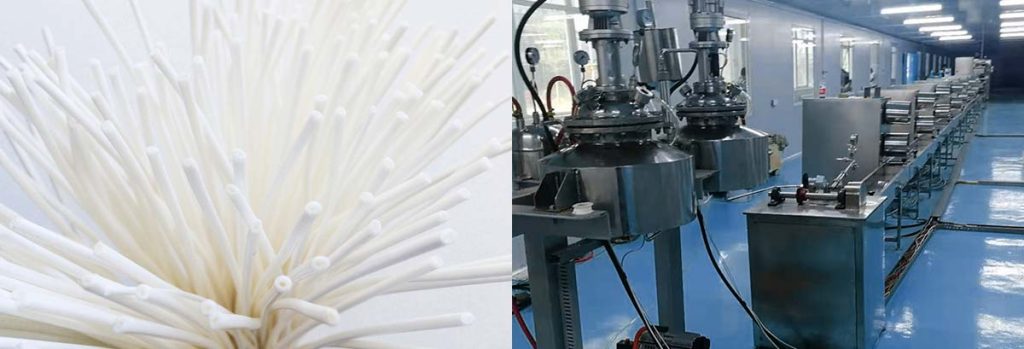
Hollow fiber spinning machine allows for easy customization of membrane size, wall thickness, and porosity. Engineers can adjust process parameters to meet the unique requirements of each application, from water treatment to pharmaceutical clarification. The modular design of these machines supports scalability, making it simple to expand production for industrial scale needs. Facilities can add more modules or change recipes to produce membranes for different clarification tasks without major downtime.
- Operators can switch between microfiltration, ultrafiltration, and reverse osmosis.
- Quick recipe changes support diverse industrial applications.
Consistency and Quality Control
Quality control remains essential in membrane production. Hollow fiber spinning machine uses advanced measures to ensure consistency and reliability.
| Quality Control Measure | Description |
|---|---|
| Bubble-Point Testing | Assesses membrane integrity by measuring the pressure at which bubbles form. |
| Integrity Acceptance Criteria | Sets minimum bubble-point pressure values and maximum allowable pressure decay rates. |
| Automated Integrity Testing | Uses computerized controls for consistent testing and real-time monitoring. |
| Risk Management Principles | Applies ICH Q9 principles to identify failure modes and implement control strategies. |
Automated systems monitor each step, reducing human error and ensuring every batch meets strict standards. These measures guarantee that membranes deliver reliable clarification and performance for industrial scale production.
Challenges in Hollow Fiber Spinning Machine Production
Process Parameter Optimization
Engineers face several challenges when optimizing process parameters for hollow fiber spinning machine. Maintaining consistent fiber quality is essential for reliable membrane performance. The scale-up paradox complicates efforts to keep fiber dimensions and properties uniform as production increases. Advanced polymeric materials often show poor processability at industrial scales, which limits optimization. High energy consumption can reduce efficiency and raise costs.
| Challenge | Description |
|---|---|
| Consistent Fiber Quality | Reliable fiber quality ensures product performance and customer satisfaction. |
| Scale-Up Paradox | Uniform fiber dimensions become harder to achieve as production volume grows. |
| Material Limitations | Some polymers do not process well at large scales, making optimization difficult. |
| Energy Consumption | High energy use increases operational costs and impacts sustainability. |
Tip: Engineers monitor process parameters closely to reduce defects and improve membrane consistency.
Material Selection and Compatibility
Material selection impacts membrane compatibility and performance. Titanium and stainless steel are preferred for their corrosion resistance and durability. These materials affect mechanical strength, selectivity, and flux rates. High-quality construction improves bore-to-dope balance and concentricity. Hollow fiber membranes serve many industries, including water purification, gas separation, hemodialysis, ECMO, food and beverage processing, biotechnology, and chemical engineering.
- Titanium and stainless steel resist corrosion.
- Mechanical strength and selectivity depend on material choice.
- High-quality design ensures better performance.
Troubleshooting and Reproducibility
Troubleshooting defects in hollow fiber membrane production requires careful strategies. Surface modification increases production costs by 15–35%, but extends membrane lifespan by two to three times and reduces cleaning frequency by 30–50%. Plasma treatment and grafting hydrophilic polymers create a hydration layer that prevents fouling. Operational strategies such as optimized flux control, intermittent operation modes, air scouring, and feed pretreatment help minimize irreversible fouling. Functional inorganic nanomaterials enhance separation performance. Surface modification techniques for hollow fiber membranes are more complex than for flat sheets.
- Optimized flux control and intermittent operation modes reduce fouling.
- Air scouring and feed pretreatment improve reproducibility.
- Surface modification extends membrane life and lowers maintenance needs.
Note: Skilled personnel are required to operate and maintain spinning machines, which increases operational costs.
Case Studies: Multi-Size Membrane Production
Industrial Success Stories
Many companies in the water treatment industry have adopted hollow fiber membrane spinning machine to meet the demand for multi-size membranes. These organizations use advanced technology to produce membranes for high-tech filtration systems. For example, one leading manufacturer in the biotechnology industry implemented specialized installations with hollow fiber forming spinnerets. This technology allowed them to adjust spinning parameters and control membrane wall thickness and fiber diameter. As a result, they improved transport and separation properties for pharmaceutical applications.
Another success story comes from the chemical industry, where engineers used multi-component and dual-layer membranes. They selected specific spinneret designs and added porogenic compounds to enhance membrane porosity. The technology enabled them to produce membranes with different sizes for various industrial processes. Companies in the food and beverage industry also benefited from the flexibility of this technology. They produced membranes for dairy protein separation and beverage clarification, supporting diverse industry needs.
Many industries have seen increased efficiency and product quality by adjusting take-up speed, air gap distance, bore fluid chemistry, and dope extrusion rate. These parameters play a key role in membrane morphology and performance.
Best Practices and Lessons Learned
Industry leaders have identified several best practices for implementing hollow fiber spinning machine:
- Use specialized spinnerets for precise control over fiber diameter and wall thickness.
- Adjust spinning parameters to influence membrane properties.
- Select the right bore fluid and add porogenic compounds to improve porosity.
- Choose the appropriate spinning method, such as melt, dry, wet, or combined spinning.
- Monitor key conditions like extrusion temperature, pressure, and coagulation bath type.
| Lesson Learned | Description |
|---|---|
| Automation | Sensors and automation allow real-time adjustments, increasing production efficiency. |
| Quality Control | Control systems ensure consistent fiber dimensions and quality for each industry application. |
| Integration with Manufacturing | Machines support industry standards and real-time data exchange. |
| Compliance with Standards | Solvent recovery systems help meet safety and environmental regulations, driving sustainability. |
| Reliability and Maintenance | Regular maintenance prevents clogging and ensures uniform fibers. |
| Cost Considerations | High initial investment balances with lower operational costs over time. |
| Diverse Applications | Technology supports medical devices, filtration, textiles, and environmental industry needs. |
These best practices and lessons show how technology advances support the growth of the membrane industry. Companies continue to innovate, using technology to meet the demands of modern industry and contribute to driving sustainability.
Conclusion
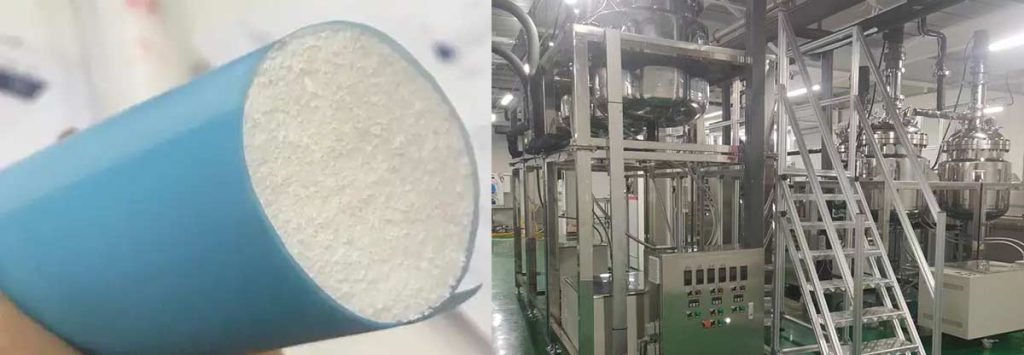
Hollow fiber membrane spinning machine delivers high production efficiency, consistency, and customizable fiber properties. Industries benefit from material flexibility and scalable solutions. The table below highlights key advantages and applications:
| Advantages | Applications |
|---|---|
| High Production Efficiency | Water and Wastewater Treatment |
| Consistency and Uniformity | Medical Applications |
| Customizable Fiber Properties | Food and Beverage Industry |
| Material Flexibility | Gas Separation |
| Scalability | Pharmaceutical and Biotechnology |
| Energy and Cost Efficiency |
Automation and process control drive reliability and adaptability. Future innovations include:
- Advanced polymer materials and surface engineering
- Modular bioprocessing systems
- Digital monitoring for real-time optimization
- Expanded R&D collaborations
- New applications like lithium extraction and CO₂ separation
FAQ
What Is a Hollow Fiber Membrane Spinning Machine?
A hollow fiber membrane spinning machine creates thin, tube-like membranes used for filtration. The machine controls fiber size, wall thickness, and porosity. These features help industries produce membranes for water treatment, pharmaceuticals, and biotechnology.
How Does Multi-Size Membrane Production Benefit Industry?
Multi-size membrane production allows engineers to match membrane properties to specific filtration needs.
This flexibility improves efficiency in water purification, medical devices, and chemical processing.
Which Materials Are Commonly Used for Hollow Fiber Membranes?
| Material | Key Feature |
|---|---|
| Polyethersulfone | High strength |
| Polyvinylidene fluoride | Chemical resistance |
| Cellulose acetate | Biocompatibility |
Engineers select materials based on application requirements.
What Are the Main Challenges in Membrane Spinning?
- Maintaining consistent fiber quality
- Selecting compatible materials
- Reducing fouling and defects
Engineers monitor process parameters and use advanced controls to address these challenges.