


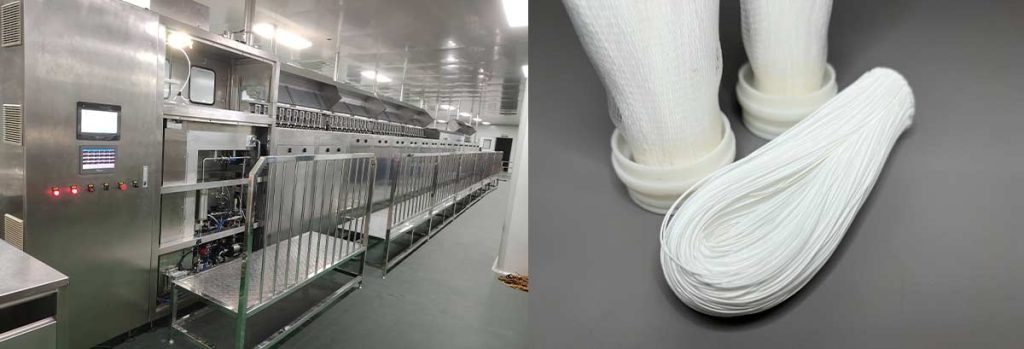
Operating pressure and flow rate directly affect the function of a hollow fiber filter. Proper operating conditions ensure efficient filtration, protect users, and extend the filter’s lifespan. Recent studies show that filters kept at optimal settings, such as the CH-1.8W model, maintain performance longer than those under poor conditions. The table below illustrates the difference in time to transmembrane pressure (TMP) limits among various filter types:
| Filter Type | Time to TMP 200 mmHg | Time to dTMP/dt > 15 mmHg/h |
|---|---|---|
| CH-1.8W | Significantly longer | Significantly longer |
| CH-1.0N | Shorter | Shorter |
| CH-1.0W | Shorter | Shorter |
Key Takeaways
- Maintain operating pressure below 0.2 MPa to protect the hollow fiber filter and ensure efficient filtration.
- Regularly monitor flow rates to prevent fouling and extend the lifespan of the filter. Adjust flow to match system requirements.
- Follow manufacturer guidelines for pressure limits to avoid damage and maintain consistent performance.
- Use advanced sensors for real-time pressure monitoring. This helps detect issues early and supports reliable operation.
- Perform routine inspections and maintenance to catch early signs of trouble, ensuring the hollow fiber filter operates efficiently.
Hollow Fiber Filter: Pressure and Flow Rate
Operating Pressure Basics
Pressure plays a central role in the operation of a hollow fiber filter. Most industrial systems recommend an operating pressure not exceeding 0.2 MPa. The maximum feed pressure often reaches 36 psi (2.5 bar) at 20℃, while transmembrane pressure (TMP) limits differ for ultrafiltration and microfiltration. For example, ultrafiltration modules typically allow up to 30 psi (2.1 bar) TMP, and microfiltration modules up to 20 psi (1.4 bar). The following table summarizes typical values:
| Parameter | Value |
|---|---|
| Operating Pressure | ≦ 0.2 MPa |
| Maximum Feed Pressure | 36 psi / 2.5 bar @ 20℃ |
| Maximum TMP (Ultrafiltration) | 30 psi / 2.1 bar @ 20℃ |
| Maximum TMP (Microfiltration) | 20 psi / 1.4 bar @ 20℃ |
Pressure must remain within these limits to prevent damage and maintain membrane integrity. If pressure rises due to fouling, the system may require cleaning or membrane replacement.
Flow Rate Fundamentals
Flow rate determines how much liquid passes through the filter per unit of time. In tangential flow filtration, the initial water flow rate often measures around 37 L/min at 0.05 MPa. Higher flow rates can improve filtration efficiency by increasing direct impaction and Brownian motion, especially in PTFE hollow fiber membranes. However, excessive flow can cause physical damage, such as tearing or deformation of the fibers. The table below highlights how flow rate and other factors influence performance:
| Factor | Observation |
|---|---|
| Flow Rate | Higher flow rates enhance filtration efficiency. |
| Pore Size | Flow rate is more critical than pore size for efficiency. |
| Wall Thickness | Thinner walls increase efficiency at higher flow rates. |
In tangential flow filtration, maintaining the correct flow rate helps prevent rapid clogging and extends filter life.
Why They Matter?
Pressure and flow are critical for tangential flow filtration performance. Proper control ensures high contaminant removal and system efficiency. If operators exceed recommended pressure or flow, the risk of fouling and membrane damage increases. Membrane failures reduce the number of intact fibers, lowering the filtration surface area and compromising water quality. Consistent operation within guidelines also minimizes maintenance costs and supports regulatory compliance.
Tip: Operators should regularly monitor both pressure and flow to detect early signs of fouling or system imbalance. This practice helps maintain optimal performance and extends the lifespan of the hollow fiber filter.
Optimal Pressure for Hollow Fiber Membrane
Manufacturer Guidelines
Manufacturers provide clear recommendations for pressure limits to ensure safe and effective operation of hollow fiber membrane. Most modules specify a maximum pressure, often around 30 psi for ultrafiltration units. These guidelines help prevent damage and maintain consistent performance. The hollow fiber spinning machine plays a crucial role in producing membranes with uniform wall thickness and internal diameter, which directly affects the pressure tolerance of each filter. Operators should always consult the manufacturer’s documentation before setting operating conditions. Following these instructions helps maintain the integrity of the hollow fiber filter and supports long-term reliability.
Over-Pressure and Under-Pressure Risks
Operating outside the recommended pressure range can cause serious problems. Excessive pressure may damage the hollow fiber membrane, leading to reduced efficiency or even system failure. Low pressure can also create issues, such as incomplete filtration or poor contaminant removal. Both over-pressure and under-pressure conditions increase the risk of a sudden pressure drop, which can disrupt the filtration process. The consequences of ignoring these risks include higher maintenance costs and shorter filter lifespan.
Note: Always monitor for sudden changes in pressure. Rapid fluctuations often signal fouling or a developing leak in the system.
Monitoring and Adjustment
Proper monitoring and adjustment of pressure are essential for stable operation. Operators can use advanced sensors and control systems to track pressure in real time. The table below summarizes common features of pressure monitoring equipment:
| Feature | Description |
|---|---|
| Sensor Type | PendoTECH PressureMAT Sensor Monitor |
| Integration | Combines monitor, alarm, and transmitter in one unit |
| Display | Easy-to-read LCD screen for pressure readings |
| Applications | Suitable for filtration, bioreactor, and chromatography applications |
| Data Output | Capable of routing readings to a PC or control system for data collection |
| Alarm Settings | Users can set pressure limits to safeguard process integrity |
| High Resolution Model | Available for low-pressure applications, achieving ten times the precision of the standard unit |
| Portability | Lightweight and portable for easy relocation in lab or pilot plant |
Operators often adjust the membrane feed pressure to achieve the desired permeate flow rate. They may use a variable frequency drive to control the pump speed or a throttle valve to fine-tune the system. Managing the concentrate stream with a throttle system also helps maintain stable pressure and flow. These adjustments help prevent excessive pressure drop and ensure the system operates within safe limits.
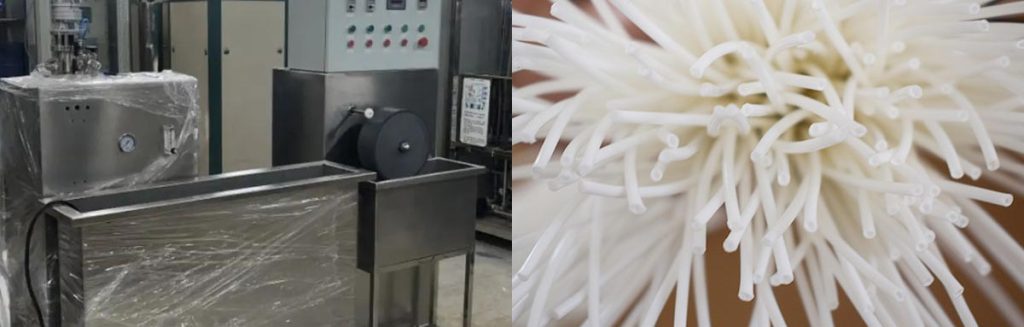
Feed solution viscosity strongly affects pressure drop across the membrane. Higher viscosity increases resistance, which leads to a greater pressure drop and can reduce system performance. The following table shows how changes in viscosity, wall thickness, and internal diameter influence system behavior:
| Viscosity Change | Wall Thickness Change | Internal Diameter Change |
|---|---|---|
| Decrease | Decrease | Increase |
Operators should regularly check transmembrane pressure and adjust settings as needed. Maintaining optimal operating conditions helps maximize the driving force for permeation and minimizes the risk of fouling. The table below highlights key parameters and their effects:
| Parameter | Effect on Performance |
|---|---|
| Transmembrane Pressure | Maximizes driving force for permeation |
| Cross-flow Velocity | Minimizes concentration polarization |
| Feed Characteristics | Influences flux and fouling |
Consistent monitoring and timely adjustments protect the hollow fiber filter and support efficient, long-lasting operation.
Flow Rate in Tangential Flow Filtration
Calculating Flow Rate
Operators in tangential flow filtration systems must calculate flow rates accurately to maintain optimal performance. The normalized flow rate, which divides the total flow by the filter surface area, helps compare different modules and ensures consistent results. A stable cross flow rate supports efficient filtration by sweeping particles away from the hollow fiber membrane surface. This process reduces the risk of buildup and maintains high permeate flux. Adjusting the recirculation rate keeps flow dynamics steady across the membrane, which improves overall system efficiency. Changes in flow rate affect the mass-transfer coefficient, influencing both permeate flux and product quality.
| Parameter | Description |
|---|---|
| Normalized Flow | Flow per unit filter surface area |
| Cross Flow Rate | Maintains particle removal |
| Recirculation | Ensures continuous sweeping |
Shear Rate and Performance
Shear rate plays a critical role in tangential flow filtration. Higher shear rates can compact biofilm structures, which impacts permeate flux decline. Increased shear reduces concentration polarization, improving filtration efficiency. Operators can adjust shear rate by modifying the feed flow rate, which is essential for processing shear-sensitive biomolecules. Tangential flow filtration systems benefit from precise control of shear rates, especially when handling sensitive products. Biofilms formed under low shear conditions are easier to remove than those formed under high shear, making shear management vital for controlling fouling and maintaining membrane performance.
Tip: Adjusting feed flow rate allows operators to control shear rates and protect sensitive biomolecules during filtration.
Signs of Improper Flow
Improper flow in tangential flow filtration systems leads to several noticeable issues. Operators should watch for these common signs:
- Reduced water flow
- Inconsistent filtration results
- Frequent fouling despite cleaning
- Membrane wear or damage
- Routine inspections reveal cracks or leaks
These problems often signal issues with flow rate or pressure drop. Maintaining the correct flow and monitoring pressure helps prevent damage and supports reliable operation. Operators should perform regular inspections to catch early signs of trouble and ensure the hollow fiber membrane continues to function efficiently.
Factors in Tangential Flow Filtration Systems
Feed Solution Properties
Feed solution properties play a major role in tangential flow filtration. Viscosity and particle size directly affect pressure and flow. Larger particles, especially those around 100 nanometers, can increase fouling and reduce flow rates. Moderate feed cross flow velocities, between 0.11 and 0.22 meters per second, help minimize fouling and maintain stable flow. High feed cross flow rates boost flux on the high-pressure side of the cartridge, which increases flow rates.
Operators should monitor feed solution properties to optimize tangential flow filtration performance.
Filter Design and Hollow Fiber Spinning Machine
Filter design shapes the efficiency of tangential flow filtration systems. The hollow fiber spinning machine determines fiber geometry, wall thickness, and internal diameter. These features influence flow distribution and pressure tolerance. Advanced sensors and PLC control in the spinning machine ensure precision and reproducibility, which leads to accurate flow rates and consistent fiber diameters. Flexible hollow fiber spinneret allow for tailored membrane structures that optimize flow rates for specific applications.
- The polymer’s flow from the spinneret depends on the air gap and spinning rate, which affects fiber characteristics.
- Fiber geometry can enhance flow distribution, acting as inter-fiber spacers.
The Dope and Bore Fluid Feeding System uses regulated pumps to deliver the polymer-solvent mixture and bore fluid into the hollow fiber spinneret. This process directly impacts the quality and performance of hollow fiber filter modules in tangential flow filtration.
System Setup and Maintenance
System setup and maintenance ensure reliable tangential flow filtration operation. Pump selection affects flow stability and pressure control. Diaphragm pumps maintain consistent flow against high back pressure, making them suitable for high-pressure applications. Centrifugal pumps work well for shear-sensitive molecules, while peristaltic pumps accommodate larger tubing but may create high shear forces.
Operators should maintain pressure and flow within recommended limits to prevent membrane strain and fouling. Regular maintenance, water pre-treatment, and integrity testing, such as bubble point and pressure decay tests, help identify issues early and enhance reliability. The hollow fiber membrane spinning machine also supports system setup by producing fibers with consistent properties, which improves long-term performance in tangential flow filtration systems.
Tip: Routine inspections and proper system setup extend the lifespan of hollow fiber filter modules and maintain stable flow in tangential flow filtration.
Troubleshooting and Desalination Applications
Pressure Drops and Fouling
Operators often encounter pressure drop issues in hollow fiber filter systems, especially during desalination. A pressure drop means the pressure at the inlet is higher than at the outlet. This difference often signals fouling or physical plugging inside the membrane. Common causes include natural organic matter like proteins and polysaccharides, inorganic substances that precipitate during filtration, and colloidal particles that settle due to ion interactions. Biofilm formation also contributes to fouling. When a pressure drop exceeds normal values, the risk of membrane failure increases. Regular monitoring of flow and pressure helps detect these problems early. Cleaning protocols and pre-treatment of seawater can reduce fouling and maintain stable flow.
System Alarms and Safety
Modern desalination systems use alarms to protect equipment and ensure safety. These alarms activate when pressure or flow moves outside safe ranges. Operators should respond quickly to alarms, as ignoring them can lead to severe membrane damage or system shutdown. Many systems feature automatic shutdowns if a pressure drop becomes too large. Routine checks of alarm settings and sensor calibration help maintain reliable operation. Training staff to recognize alarm signals and understand flow patterns improves response times and reduces downtime.
Tip: Always investigate the cause of a sudden pressure drop or abnormal flow. Early action prevents costly repairs and extends the life of the hollow fiber filter.
Desalination and Specialized Uses
Desalination remains a leading application for hollow fiber filter. Seawater desalination plants rely on these filters to remove salts and impurities from seawater. The process uses controlled flow and pressure to push seawater through the membrane, separating clean water from dissolved salts. Operators must balance flow rates and pressure to avoid excessive pressure drop, which can lower efficiency. Seawater often contains organic and inorganic materials that increase fouling risk. Regular maintenance and careful adjustment of flow help keep desalination systems running smoothly. Specialized uses of hollow fiber filters include brackish water treatment and industrial water recycling, where precise control of flow and pressure ensures high-quality results.
Conclusion
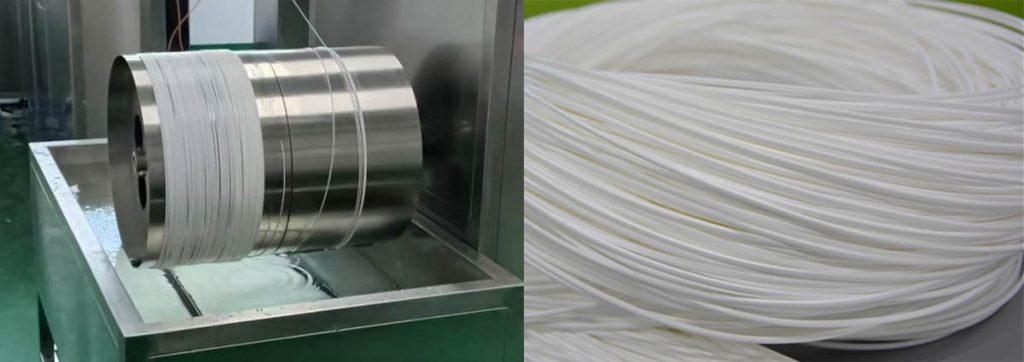
Operators must control pressure drop and flow rate to protect hollow fiber filter, especially in desalination and seawater desalination systems. Regular monitoring and preventive maintenance help prevent unexpected pressure drop and extend membrane life. System design, including the hollow fiber spinning machine, affects performance.
- Routine checks and timely replacement of consumables reduce downtime and increase lifespan.
- Membrane replacement can account for up to 30% of total operational costs.
A quick checklist: monitor pressure drop, adjust flow, inspect for fouling, and follow manufacturer guidelines.
FAQ
What Is the Recommended Operating Pressure for Hollow Fiber Filters?
Manufacturers usually recommend an operating pressure below 0.2 MPa. Operators should check the filter’s documentation for specific limits. Staying within these guidelines helps protect the membrane and maintain filtration efficiency.
How Does Flow Rate Affect Filter Performance?
Flow rate controls how much liquid passes through the filter. Higher flow rates can improve filtration but may damage fibers. Operators should adjust flow to match system requirements and monitor for signs of wear.
What Causes Pressure Drops in Desalination Systems?
Pressure drops often result from fouling, such as organic matter or biofilm buildup. In desalination, regular cleaning and monitoring help prevent sudden drops and extend membrane life.
Why Is Monitoring Important in Seawater Desalination?
Monitoring ensures the system operates within safe pressure and flow ranges. Operators can detect problems early, such as leaks or fouling, and take action to protect the hollow fiber filter during seawater desalination.
How Can Operators Prevent Fouling When Filtering Seawater?
Operators can use pre-treatment steps, maintain proper flow rates, and schedule regular cleaning. These actions help reduce fouling and keep the hollow fiber filter working efficiently with seawater.