


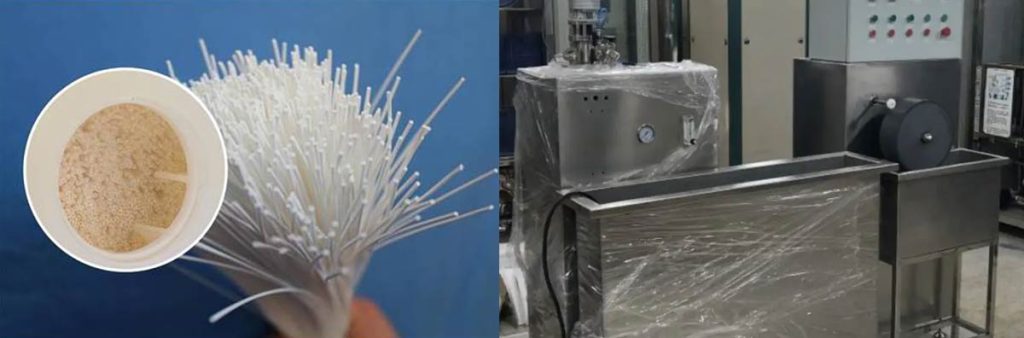
Fiber breakage often frustrates operators during production. They see wasted material and lost time, which reduces efficiency. Simple steps can prevent these issues in a hollow fiber spinning machine. Prevention brings smoother operation and better fiber quality. These tips work for both new and experienced operators.
Key Takeaways
- Monitor pressure differentials regularly. Sudden changes can indicate potential fiber failure.
- Use optical inspection tools to check fiber integrity. Early detection helps prevent larger issues.
- Implement regular maintenance routines. Cleaning and lubricating the machine keeps it running smoothly.
- Train operators thoroughly. Well-trained staff can recognize early signs of fiber stress and respond effectively.
- Follow a daily checklist. Consistent checks before, during, and after shifts help maintain fiber quality.
Preventing Breakage in Hollow Fiber Spinning Machine
Quick Prevention Tips
Operators can reduce fiber breakage in a hollow fiber spinning machine by following a few practical steps. These actions help maintain fiber strength and improve the reliability of the process.
- Monitor the pressure differential across the system. Sudden changes may signal a risk of fiber failure.
- Use optical inspection tools to check fiber integrity. Early detection prevents larger problems.
- Apply integrity testing protocols regularly. These tests confirm that hollow fibers meet operational standards.
- Incorporate supporting materials to enhance mechanical strength. This step increases the resistance of fibers to breakage.
- Develop multi-layer structures for improved durability. Multi-layer fibers withstand higher burst pressure and last longer.
- Implement fiber braiding techniques. Braided fibers maintain permeability and resist mechanical stress.
- Optimize flow distribution inside the module. Even flow reduces vibration and lowers the chance of fiber breakage.
- Arrange fibers strategically to minimize vibration effects. Proper arrangement helps maintain consistent burst pressure.
- Improve potting techniques to secure fibers at the ends. Secure potting prevents movement that can lead to breakage.
Tip: Operators should always check for necking, draw resonance, or capillary break-up during the spinning process. These issues often signal instability and can lead to fiber failure.
In reverse osmosis and filtration applications, these prevention tips help maintain high product quality. They also reduce downtime and lower operational costs.
Why Prevention Is Important?
Prevention plays a key role in the operation of a hollow fiber spinning machine. When operators prevent fiber breakage, they protect both the process and the final product.
- Frequent fiber breakage in hollow fiber systems leads to more module replacements. This increases solid waste and raises operational costs.
- Module replacement can disrupt reverse osmosis and filtration processes. Disruptions lower efficiency and may affect water quality.
- Poor fiber integrity can reduce burst pressure. Low burst pressure puts the system at risk during high-pressure filtration or reverse osmosis cycles.
- Consistent fiber quality ensures reliable filtration and reverse osmosis performance. High-quality fibers maintain the required burst pressure and permeability.
Industry standards recommend several strategies to prevent fiber breakage:
- Use supporting materials and multi-layer designs for better durability.
- Monitor pressure differentials to detect anomalies early.
- Conduct regular optical inspections and integrity tests.
- Secure fibers with improved potting and strategic arrangement.
Note: Prevention not only protects the hollow fiber spinning machine but also supports sustainable operations. Fewer replacements mean less waste and lower costs.
Reverse osmosis and filtration systems rely on strong, intact fibers. Operators who follow prevention guidelines ensure that each fiber can withstand the necessary burst pressure. This approach leads to better product quality and more efficient operation.
Causes of Fiber Breakage
Mechanical and Physical Stress
Mechanical and physical stress often lead to fiber breakage in hollow fiber spinning machine. Operators see these stresses during the drawing and winding stages. The hollow fiber spinneret plays a key role in shaping the fibers. If the spinneret has defects or blockages, it can create uneven fiber thickness. This weakens the fiber and lowers burst pressure. High tension during winding also stretches the fibers beyond their limits. When fibers stretch too much, they lose strength and break easily. In reverse osmosis and filtration systems, even small defects from mechanical stress can cause early failure. Operators must check the spinneret and tension controls to prevent these problems.
Process Instabilities
Process instabilities create unpredictable conditions during spinning. These instabilities often result from changes in temperature, pressure, or flow rates. Operators notice issues like draw resonance, necking, and irregular fiber formation. These problems can reduce burst pressure and affect the performance of hollow fiber membranes.
Different types of instabilities in fiber which might occur during spinning of HF including break up, draw resonance, necking, and irregularity in fiber formation and cross section. These limitations can occur due to the amplifications of the various conditions of spinning.
In reverse osmosis and filtration, process instabilities can lead to inconsistent fiber quality. This increases the risk of fiber breakage and reduces the lifespan of the module.
Failure Modes in Hollow Fiber Membranes
Hollow fiber membranes experience several failure modes during spinning and operation. These failures often occur when the fiber cannot withstand the required burst pressure in reverse osmosis or filtration applications. Common failure modes include:
- Rupture
- Collapse
- Liquid loss (occurring at the bubble point)
Rupture happens when the fiber bursts under high pressure. Collapse occurs when the fiber cannot resist external pressure, causing it to flatten. Liquid loss at the bubble point signals a drop in burst pressure, which affects filtration and reverse osmosis performance. Operators must monitor these failure modes to maintain high-quality hollow fiber membranes and reliable system operation.
Troubleshooting Guide for Fiber Breakage
Early Warning Signs
Operators often notice early warning signs before fiber breakage occurs in a hollow fiber spinning machine. These signs include sudden drops in burst pressure, visible necking, or irregular fiber diameter. A decrease in filtration efficiency may also indicate a problem. When reverse osmosis systems show reduced water quality, this can signal fiber damage. Operators should listen for unusual vibrations or sounds during spinning. These symptoms often point to process instabilities that can lead to fiber failure.
Tip: Early detection of draw resonance or capillary break-up helps prevent major breakdowns in hollow fiber membranes.
Inspecting Machine Components
A step-by-step inspection helps identify the root cause of fiber breakage. Operators should follow these steps:
- Check the spinneret for blockages or wear. Even small defects can lower burst pressure and affect reverse osmosis performance.
- Examine tension controls and winding equipment. High tension can stretch fibers and reduce their strength.
- Inspect the potting area for loose fibers. Poor potting can cause movement and lead to filtration failure.
- Review the flow distribution system. Uneven flow may create vibration and lower burst pressure.
Regular inspection ensures that hollow fiber membranes maintain their integrity during both filtration and reverse osmosis cycles.
Adjusting Spinning Parameters
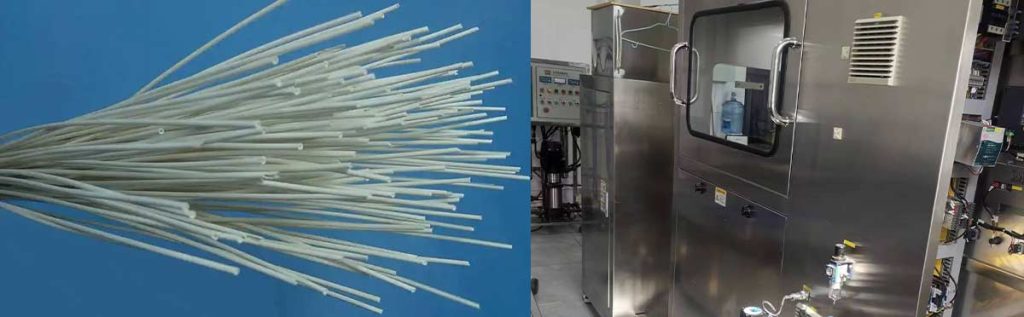
Adjusting spinning parameters can resolve many fiber breakage issues. Operators should:
- Reduce draw speed if necking or draw resonance appears. Lower speeds help maintain consistent burst pressure.
- Stabilize temperature and pressure settings. Stable conditions support reliable filtration and reverse osmosis.
- Fine-tune polymer solution viscosity. Proper viscosity prevents capillary break-up and supports strong hollow fiber membranes.
- Monitor and adjust air gap distance. Correct air gap improves fiber formation and burst pressure.
By following these steps, operators can quickly restore stable operation in a hollow fiber spinning machine. Consistent troubleshooting protects both filtration and reverse osmosis performance.
Maintenance for Hollow Fiber Spinning Machine
Cleaning and Lubrication
Regular cleaning and lubrication keep the hollow fiber spinning machine running smoothly. Operators remove dust and residue from all surfaces. They use lint-free cloths and approved cleaning agents. Clean surfaces prevent contamination that can weaken fibers and lower burst pressure. Lubrication of moving parts reduces friction and wear. This step helps maintain stable tension and supports consistent burst pressure during production.
Trustech’s automated processing equipment and micro deep-hole technology make cleaning easier. These features reduce the risk of filament breakage. Precision engineering ensures that each part fits perfectly, which lowers the chance of vibration. Less vibration means more stable burst pressure. Operators check lubrication points daily and apply the correct lubricant. They avoid over-lubrication, which can attract dust and cause buildup.
Tip: Clean and lubricate the spinneret regularly. A clean spinneret supports high spinning stability and robust needle construction. This practice helps maintain the burst pressure needed for reliable hollow fiber membranes.
Inspection and Part Replacement
Routine inspection and timely part replacement prevent unexpected breakdowns. Operators examine the spinneret, rolls, and tension controls for signs of wear. They look for scratches, dents, or buildup that can affect burst pressure. Trustech’s FCT spinneret adapts to a wide range of viscosities. This adaptability supports high-quality membrane production and stable burst pressure.
The table below shows a recommended maintenance interval:
| Maintenance Activity | Recommended Interval (Production Days) |
|---|---|
| Buffing the rolls | 150 – 200 |
Operators replace worn parts before they fail. They keep detailed records of each inspection and replacement. This practice ensures that the hollow fiber spinning machine maintains optimal burst pressure and reduces downtime.
Note: Consistent maintenance routines protect both the equipment and the quality of hollow fiber membranes. High burst pressure leads to better performance in filtration and reverse osmosis applications.
Best Practices for Handling and Operation
Proper Installation and Handling
Proper installation and careful handling play a major role in reducing fiber breakage and maintaining high burst pressure. Operators must follow precise steps during setup and production. They should avoid sudden movements or impacts that can weaken fibers. The following table shows how different techniques contribute to lower breakage rates and improved burst pressure:
| Technique | Contribution to Fiber Breakage Reduction |
|---|---|
| Optimized spinning processes | Enhances the quality of fiber formation and reduces defects. |
| Controlled solidification rates | Minimizes internal stresses during the fiber formation process. |
| Proper handling during production | Prevents mechanical damage during the manufacturing and installation phases. |
Design aspects also affect burst pressure. The table below highlights important design features:
| Design Aspect | Impact on Fiber Breakage |
|---|---|
| Optimized header designs | Reduces stress concentration at critical points. |
| Improved potting compounds | Enhances bonding and reduces the likelihood of fiber detachment. |
| Even distribution of fibers | Minimizes mechanical stress during operation. |
Operators should use controlled backwashing procedures and optimize flow distribution. These strategies help maintain uniform stress across fibers and protect burst pressure. Regular integrity testing detects early signs of damage, allowing for quick action.
Operator Training
Operator training ensures safe handling and consistent burst pressure. Well-trained staff understand the importance of each step in the process. They learn to recognize early signs of fiber stress and respond quickly. Training programs teach proper installation, handling, and maintenance routines. Operators practice using inspection tools and monitoring burst pressure during production.
Tip: Teams that receive regular training make fewer mistakes and maintain higher burst pressure in every batch.
Supervisors should update training materials as technology advances. They should encourage operators to ask questions and share observations. This approach builds a culture of safety and quality, which protects both the equipment and the final product.
Daily Checklist for Operators
A daily checklist helps operators maintain stable production and reduce fiber breakage. This routine supports consistent fiber quality and machine reliability.
Pre-Start Checks
Operators should complete these steps before starting the hollow fiber spinning machine:
- Inspect the spinneret for blockages or residue.
- Verify that all tension controls work properly.
- Check the lubrication points and apply lubricant if needed.
- Confirm that the polymer solution meets viscosity standards.
- Examine the winding area for loose or damaged parts.
- Review safety guards and emergency stops for proper function.
Tip: Early detection of mechanical issues prevents unexpected fiber breakage during operation.
Monitoring During Operation
Operators must stay alert and monitor the process closely:
- Observe fiber formation for signs of necking or draw resonance.
- Track pressure and temperature readings on control panels.
- Listen for unusual sounds or vibrations from the machine.
- Use optical tools to check fiber diameter and uniformity.
- Record any sudden changes in burst pressure or flow rates.
| Parameter | What to Watch For | Action Needed |
|---|---|---|
| Fiber appearance | Necking, irregular shape | Adjust draw speed |
| Pressure readings | Sudden drops or spikes | Inspect system |
| Machine sounds | Unusual noise or vibration | Pause and check |
End-of-Shift Tasks
At the end of each shift, operators should:
- Clean the spinneret and machine surfaces with approved materials.
- Remove any fiber debris from the winding area.
- Log all process data and note any irregularities.
- Inspect critical parts for wear or damage.
- Report maintenance needs to the supervisor.
Note: Consistent end-of-shift routines help maintain machine stability and fiber quality for the next production run.
A well-followed checklist reduces downtime and supports high-quality hollow fiber production every day.
Conclusion
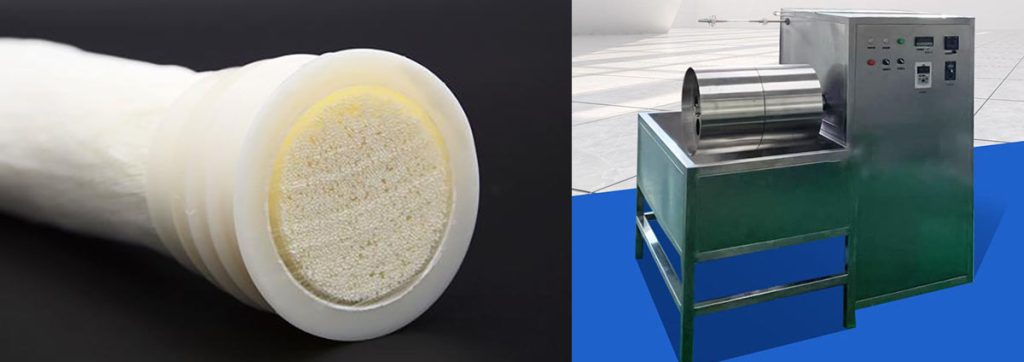
Operators can prevent fiber breakage by following daily checklists, performing regular maintenance, and handling equipment with care. They should use best practices for installation and operation. These steps help maintain high fiber quality and reduce downtime in a hollow fiber spinning machine.
Small, consistent actions lead to better results and longer-lasting equipment.
FAQ
What Causes the Most Fiber Breakage in Hollow Fiber Spinning Machine?
Mechanical stress and process instability cause most fiber breakage. High tension, uneven flow, or spinneret defects weaken fibers. Operators should monitor these factors closely.
How Often Should Operators Clean the Spinneret?
Operators should clean the spinneret daily. Regular cleaning prevents residue buildup, which can cause defects and lower fiber quality.
Why Is Burst Pressure Important for Hollow Fiber Membranes?
Burst pressure measures the strength of a fiber. High burst pressure ensures that fibers can handle filtration or reverse osmosis without breaking. This keeps the system reliable.
Can Operator Training Reduce Fiber Breakage?
Yes. Well-trained operators spot early warning signs and follow best practices. Training helps maintain fiber quality and reduces machine downtime.
What Tools Help Detect Early Fiber Damage?
Optical inspection tools and pressure monitors help detect early fiber damage. These tools allow operators to act before major breakage occurs.