


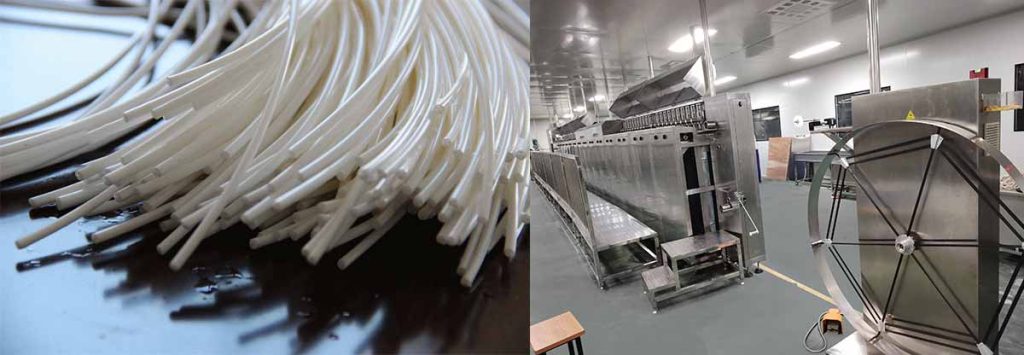
Hollow fiber modules have transformed environmental engineering by offering advanced filtration and separation solutions. These modules help protect the environment by promoting resource efficiency and reducing pollution. Recent studies show that hollow fiber modules recover nutrients like phosphorus and nitrogen from wastewater, turning waste into resources. The hollow fiber spinning machine drives innovation, improving module quality and performance. With a market value projected to reach $2754 million by 2025, hollow fiber modules support sustainability and climate change mitigation through energy-efficient processes and circular economy principles.
Key Takeaways
- Hollow fiber modules enhance environmental engineering by providing efficient filtration and separation solutions, promoting sustainability.
- These modules recover valuable nutrients from wastewater, turning waste into resources and supporting a circular economy.
- The hollow fiber spinning machine improves membrane quality and reduces environmental impact during production, ensuring high performance.
- Hollow fiber technology is crucial for climate change mitigation, enabling carbon capture and reducing greenhouse gas emissions.
- Adopting hollow fiber modules leads to energy savings and lower chemical use, making them a cost-effective choice for water and air treatment.
Hollow Fiber Modules Overview
Definition and Structure
Hollow fiber modules stand out in environmental engineering due to their unique design and efficiency. These modules contain many thin, tube-like filaments packed closely together inside a pressure vessel. The structure allows for a high surface area, which supports efficient separation of liquids and gases. The table below highlights the main features that distinguish hollow fiber modules from other membrane technologies:
| Feature | Description |
|---|---|
| Definition | A filtration system with numerous empty filaments arranged compactly. |
| Surface Area | High surface area enables efficient separation with minimal space and energy use. |
| Structural Configuration | Bundles of fibers enclosed in a pressure vessel. |
| Membrane Characteristics | Microporous hydrophobic membrane fibers allow heat and mass transfer. |
| Production Rate | Larger surface/volume ratio than spiral-wound modules, resulting in smaller footprints. |
| Cleanability | Membranes can be cleaned by reversing the permeate flow. |
| Energy Efficiency | Low energy consumption and high flux with moderate selectivity. |
| Applications | Used in water treatment and food processing, offering operational flexibility. |
Working Principles
Hollow fiber membranes operate based on their high packing density and large membrane surface area. These features allow them to filter large volumes of water or air efficiently. The modules can adapt to different flow configurations, making them suitable for water treatment, gas separation, and resource recovery. The surface-to-volume ratio is much higher than in other designs, which leads to higher production rates and smaller equipment footprints. Operators can direct the permeate flow either out of the fibers or into them, which increases adaptability for various processes. The durability and resistance to erosion of hollow fiber membranes also reduce the need for frequent replacements, supporting sustainability.
Role of the Hollow Fiber Spinning Machine
The hollow fiber spinning machine plays a critical role in producing high-quality hollow fiber membranes. This machine enables real-time monitoring and automated quality inspection, which ensures consistent membrane performance and minimizes defects. It also supports eco-friendly solvent recovery, reducing the environmental impact during production. Innovations in spinning techniques and materials have led to more efficient and durable membranes. The hollow fiber membrane spinning machine allows manufacturers to integrate advanced features, such as improved fouling resistance and enhanced cleaning methods, into the final product.
Sustainable Applications
Wastewater Treatment Applications
Hollow fiber modules have become essential in modern wastewater treatment. Their unique structure supports a range of filtration processes, including ultrafiltration, forward osmosis, pressure retarded osmosis, membrane distillation, and membrane contactor systems. These applications allow for efficient removal of contaminants and pathogens from municipal and industrial wastewater. Operators often choose hollow fiber modules for direct membrane filtration, which delivers high-quality treated water even when biological treatment is not possible. The modules excel in nutrient and organic matter recovery, turning waste streams into valuable resources. Regulatory standards have driven the adoption of this technology, especially in regions with strict water quality requirements. The high surface area and robust design of hollow fiber membranes ensure reliable performance and long service life, making them a preferred choice for sustainable water purification and wastewater treatment.
- Key applications in wastewater treatment:
- Ultrafiltration for removing suspended solids and bacteria
- Forward osmosis and pressure retarded osmosis for energy-efficient filtration
- Membrane distillation for desalination and water reuse
- Membrane contactors for ammonia and carbon dioxide removal
Air and Gas Separation
Hollow fiber modules play a vital role in air and gas separation applications. The technology enables the selective filtration of gases based on their permeability rates, which sets it apart from traditional molecular sieve systems. Operators benefit from equipment that is smaller, lighter, and more efficient. The membrane system requires only half the gas volume compared to older methods, reducing operational costs and energy use. The absence of moving parts increases reliability and extends the lifespan of the modules. Recent advancements, such as thin film composite membranes and the use of nanofillers like metal-organic frameworks, have improved the separation of hydrogen from carbon dioxide. These innovations support hydrogen purification and carbon capture, both of which are critical for clean energy and environmental protection.
- Advantages of hollow fiber membrane technology in gas separation:
- High efficiency and selectivity for target gases
- Compact and lightweight equipment
- Long operational life with minimal maintenance
- Enhanced performance through advanced membrane materials
Resource Recovery
Resource recovery applications have gained momentum as industries seek to maximize sustainability. Hollow fiber modules enable efficient recovery of nutrients, biogas, and valuable industrial byproducts from waste streams. The technology supports nutrient removal at normal pressures, reducing operational costs and simplifying treatment processes. In biogas production, hollow fiber membranes separate feed and stripping solutions effectively, preventing common issues like flooding and foaming. The modules also withstand harsh industrial conditions, making them suitable for recovering rare earth elements such as praseodymium, terbium, cerium, yttrium, lanthanum, and europium. The market value of these recycled metals ranges from $4.50 to $95 per kilogram, highlighting the economic potential of resource recovery. Growing populations and resource scarcity have increased interest in these applications, driving further innovation.
| Application | Benefits |
|---|---|
| Nutrient removal | High efficiency, ease of operation at normal pressures, reduced costs |
| Biogas production | Efficient separation, avoids flooding and foaming |
| Recovery of industrial byproducts | Enhanced membrane resilience under challenging conditions |
Climate Change Mitigation

Hollow fiber modules contribute significantly to climate change mitigation strategies. The technology is central to carbon capture, landfill gas upgrading, and direct air capture projects. Membranes enable selective filtration of carbon dioxide from methane, which is essential for upgrading biogas to biomethane. This process allows biomethane to replace conventional natural gas, reducing greenhouse gas emissions. Rapid Temperature Swing Adsorption using polymeric hollow fiber modules has improved the efficiency of CO2 capture, lowering energy costs and supporting industrial decarbonization. The integration of green chemistry in membrane functionalization further enhances environmental benefits. Ionic liquids, used in these processes, offer low vapor pressure, minimal volatility, high thermal stability, and enhanced CO2 selectivity. These characteristics improve membrane performance and safety while supporting circular economy principles by reducing reliance on harmful solvents.
Note: The adoption of hollow fiber membrane technology continues to grow due to advancements in materials, stricter environmental regulations, and the urgent need for effective water and air treatment solutions. These drivers ensure that hollow fiber modules remain at the forefront of sustainable environmental engineering.
Sustainability Benefits
Energy and Chemical Savings
Hollow fiber modules have improved energy efficiency in environmental engineering. These modules use less energy in air dehumidification and gas separation compared to older systems. Operators see better performance indices, which means more sustainable production and lower energy bills. The design of hollow fiber modules also reduces the need for chemicals during water and air treatment. This shift toward environment-friendly methods supports sustainability and helps protect the environment. Many facilities now choose hollow fiber modules to meet their energy and chemical reduction goals.
Environmental Impact
Hollow fiber modules offer several advantages for environmental conservation. Their high packing density allows engineers to fit more membrane area into a smaller space, which increases water production at a given pressure. This compact design leads to high module-level efficiency and supports complex process flows, such as those found in advanced membrane technology application projects. The immersed hollow fiber configuration uses lower air scouring rates, saving energy in large-scale installations. These modules act as barriers against contaminants, ensuring high-quality filtrate and reducing the risk of membrane fouling mitigation. By lowering operational energy demands and supporting circular economy strategies, hollow fiber modules help reduce the carbon footprint of water and air treatment facilities.
Economic Advantages
The adoption of hollow fiber modules brings strong economic benefits to environmental engineering projects. Growing demand for these solutions shows their value in meeting regulatory standards and reducing costs. Operators benefit from efficient contaminant removal, which lowers operational expenses. Reliable performance means less maintenance and fewer disruptions. The table below highlights key economic advantages:
| Economic Advantage | Description |
|---|---|
| Cost Optimization | Organizations optimize costs through vertical integration and partnerships. |
| Resilient Supply Chains | Tariff adjustments create more regionally diverse supply chains. |
Hollow fiber ultrafiltration provides cost-effective solutions for municipal water treatment. These systems help facilities comply with regulations and avoid fines. In large-scale projects, the balance between environmental benefits and economic feasibility remains important, but advancements in engineering continue to improve outcomes.
Case Studies and Future Prospects
Real-World Examples
Municipal and industrial sectors have adopted hollow fiber modules for sustainable water and air treatment. Many cities use membrane bioreactors (MBRs) that combine biological treatment with membrane filtration. These systems produce high-quality effluent suitable for reuse. PTFE hollow fiber membranes play a key role in wastewater and sewage treatment, especially in critical applications. Industrial water treatment facilities rely on hollow fiber modules for efficient contaminant removal and resource recovery. The following table highlights common applications:
| Application Type | Description |
|---|---|
| Industrial Water Treatment | Hollow fiber membranes are used in various industrial applications, including wastewater treatment. |
| Membrane Bioreactors (MBRs) | MBRs combine biological treatment with membrane filtration, producing high-quality effluent. |
| Wastewater Treatment | PTFE hollow fiber MBR modules provide effective solutions for municipal wastewater treatment. |
MBR processes have become standard in many municipal and industrial projects. PTFE hollow fiber membranes support critical wastewater and sewage treatment needs.
Challenges and Opportunities
Hollow fiber modules face several challenges in environmental engineering. Fouling remains a major issue during water treatment. Bacterial contamination and feed compounds can reduce membrane performance. Engineers use surface modifications and hydrodynamic adjustments to address this problem. Another challenge involves bridging the gap between academic research and industrial application. Different goals and timelines often slow progress in membrane technology. Despite these challenges, opportunities for growth remain strong. The healthcare sector continues to expand, creating new markets for hollow fiber filtration. Southeast Asia’s water treatment market is projected to reach USD 12.5 billion by 2025. Demand for energy-efficient and sustainable filtration technologies is rising. Stricter environmental guidelines and a push for green technologies drive adoption. Companies that focus on next-generation membranes and recyclability gain a competitive edge. Urbanization and water scarcity in developing regions increase the need for advanced solutions. Industrial regulations and environmental concerns boost demand for efficient membrane-based purification.
Future Trends
Future trends in hollow fiber module technology point to greater automation and smart system integration. Robotics in manufacturing improves precision and reduces costs during membrane production. AI-driven analytics allow real-time performance monitoring and predictive maintenance. IoT-enabled modules enhance operational efficiency through data communication. Material innovations focus on advanced polymer composites and nanomaterial coatings. Regulatory shifts encourage sustainable practices and eco-friendly materials. Advancements in hollow fiber spinning machine improve the precision and efficiency of membrane production. These improvements support the development of high-performance membranes for water treatment and gas separation. Ongoing research will continue to drive innovation in production methods and material science.
Conclusion
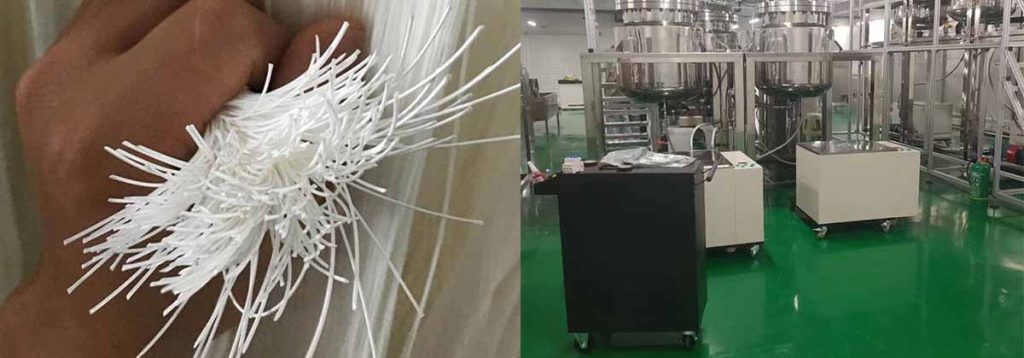
Hollow fiber modules support sustainability in environmental engineering through efficient contaminant removal, long service life, and reduced chemical use. Refurbishment strategies extend module lifespan by up to 50%, saving energy and materials while lowering carbon emissions. Innovations like the hollow fiber spinning machine and green chemistry enhance performance and eco-friendliness. Ongoing advancements and broader adoption of these modules promise even greater resource conservation and environmental protection in the future.
FAQ
What Makes Hollow Fiber Modules Sustainable?
Hollow fiber modules use less energy and chemicals than traditional systems. Their design allows for high efficiency and long service life. Many facilities choose them to reduce environmental impact and support resource recovery.
How Do Hollow Fiber Modules Improve Water Treatment?
These modules remove contaminants and pathogens from water. Operators use them in municipal and industrial plants. The high surface area ensures effective filtration and reliable water quality.
Can Hollow Fiber Modules Be Used for Air and Gas Separation?
Yes. Engineers use hollow fiber modules to separate gases like oxygen, nitrogen, and carbon dioxide. The technology supports hydrogen purification and carbon capture, which helps reduce greenhouse gas emissions.
What Are the Main Challenges with Hollow Fiber Modules?
Fouling remains a common issue. Engineers address this by using surface modifications and cleaning techniques. Ongoing research aims to improve membrane durability and performance.
How Does the Hollow Fiber Spinning Machine Support Sustainability?
The hollow fiber spinning machine improves membrane quality and reduces defects. It enables eco-friendly production by recovering solvents and minimizing waste. This innovation supports the development of advanced, sustainable membranes.