


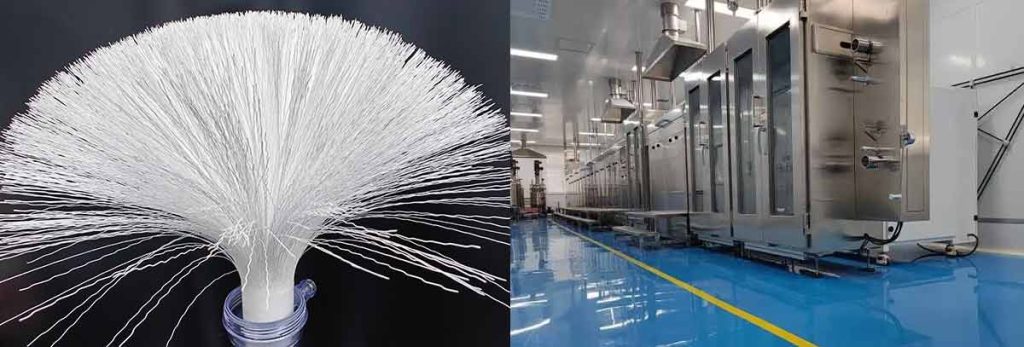
Membrane permeability determines how effectively a hollow fiber hemodialyzer removes toxins and excess fluids from a patient’s blood. Statistical analysis reveals that patients using high-flux membranes experience up to a 38% reduction in mortality risk compared to those using low-flux types.
- Membrane permeability enables efficient removal of harmful substances.
- The structure and composition of the membrane influence both solute clearance and patient safety.
- Advances in membrane technology target better patient outcomes and reduced complications.
Clinicians and patients benefit from understanding these critical properties when choosing dialysis treatments.
Key Takeaways
- Membrane permeability is crucial for removing toxins from blood during dialysis.
- High-flux membranes can significantly lower mortality risk for patients with renal issues.
- Choosing the right membrane type can enhance patient safety and treatment effectiveness.
- Advancements in membrane technology lead to better patient outcomes and fewer complications.
- Understanding membrane properties helps clinicians tailor dialysis treatments to individual patient needs.
Hollow Fiber Hemodialyzer Structure and Membrane Function
Components: Shell, Porous Membrane and Lumen
A hollow fiber hemodialyzer contains three essential components that work together to support effective dialysis.
- The cylindrical casing provides structural integrity and houses the hollow fiber membranes.
- The hollow fiber membranes serve as the primary site for the exchange of waste products and electrolytes between blood and dialysate.
- The dialysate compartment surrounds the membranes and allows dialysate solution to flow, which enhances the removal of toxins.
The design of these components influences the efficiency of solute and fluid exchange. The following table highlights how specific structural features affect performance:
| Evidence Point | Description |
|---|---|
| Flow Distribution | Uneven blood flow leads to loss of efficiency and poor clearance of toxins. |
| Membrane Properties | High-flux membranes remove larger molecules, but poor flow can cause fouling. |
| Shear Stress | Uniform flow reduces risk of blood cell damage and cell lysis. |
| Clotting Issues | Small inner diameters can cause rapid clotting, affecting function. |
Role of the Hollow Fiber Membrane in Dialysis
The hollow fiber membrane acts as a semi-permeable barrier that enables selective transport of solutes and water. Diffusion and convection serve as the main mechanisms for this selective movement. The membrane’s pore size and distribution determine which solutes can pass through, allowing small molecules like urea to exit while retaining larger proteins and blood cells. The diameter of the fiber lumen affects blood flow, which influences how efficiently toxins are removed.
The structure of the hollow fiber membrane ensures high selectivity. Only small solutes pass through, while essential blood components remain. This selective permeability is vital for the success of the hollow fiber dialyzer, as it removes uremic toxins without losing important molecules.
Different membrane materials offer unique permeability characteristics. For example, cellulose membranes provide good transport for small solutes, while polysulfone and polyamide membranes improve biocompatibility and minimize blood interaction. The choice of membrane material impacts both the efficiency and safety of the hemodialyzer.
Note: The interplay between membrane structure and material determines how well a hollow fiber hemodialyzer performs in clinical dialysis.
Membrane Permeability in Dialysis Performance
Diffusion and Hydraulic Permeability
Membrane permeability plays a central role in the effectiveness of a hollow fiber hemodialyzer. Two main processes—diffusion and hydraulic permeability—govern the transfer of solutes and water during dialysis. Understanding these concepts helps explain how the device achieves high-quality blood treatment for patients with renal insufficiency.
| Term | Definition | Clinical Significance |
|---|---|---|
| Diffusion | The process by which solutes move from an area of higher concentration to an area of lower concentration across a membrane. | Essential for solute transport and clearance during hemodialysis, particularly for small molecules like urea. |
| Hydraulic Permeability | A measure of the ability of a membrane to allow fluid to pass through it. | Influences the efficiency of fluid removal and solute clearance in hemodialysis, particularly for larger solutes. |
Diffusion drives the movement of small molecules such as urea from the blood into the dialysate. This process depends on the concentration gradient and the properties of the hollow fiber membrane. Hydraulic permeability, on the other hand, determines how easily water and dissolved substances move across the membrane under pressure. This property is crucial for controlling fluid balance during hemodialysis treatment.
Regulatory standards require that a high permeability hemodialysis system must have a semipermeable membrane with an in vitro ultrafiltration coefficient (Kuf) exceeding 8 milliliters per hour per conventional millimeter of mercury. This ensures that the hemodialyzer can remove toxins and excess fluid efficiently, protecting patients from complications related to fluid overload.
Impact on Solute and Fluid Removal
The ability of the membrane to support both diffusion and hydraulic permeability directly affects the clearance of toxins and the removal of excess fluid. The dynamics of mass transfer within the hollow fiber hemodialyzer depend on several factors, including membrane structure, flow rates, and the interaction between blood and dialysate.
- Increasing membrane permeance significantly enhances the removal of protein-bound uremic toxins during dialysis.
- The interplay between dialysate flow rate and ultrafiltration rate has limited impact on protein-bound toxin clearance under certain conditions.
- The hemodialysis process operates in a mass-transfer-limited regime, meaning that improving membrane properties can further increase toxin clearance.
Computational fluid dynamics and simulation studies show that optimizing flow distribution and mass transfer within the device leads to better clearance outcomes. The mass transfer of solutes relies on both the surface area and the permeability of the hollow fiber membrane. Efficient flow of blood and dialysate across the membrane surface maximizes the transfer of waste products out of the blood.
Clinical Studies on Membrane Performance
| Study Focus | Membrane Type | Key Findings |
|---|---|---|
| Morphology and biocompatibility | CTA vs PAES: PVP | CTA membranes have smoother surfaces and higher biocompatibility but poorer clearance of uremic toxins compared to PAES: PVP membranes. |
| Protein adsorption | PVP and PEG additives | PVP enhances membrane morphology and transport performance, leading to improved hydrophilic behavior and reduced fouling. |
| Inflammatory response | CTA vs PAES: PVP | Both membranes increase complement and inflammation factors, but CTA does so to a lesser extent than PAES. |
The type of membrane used in a hemodialyzer influences both the quality of blood treatment and the risk of complications. For example, high-flux membranes, which have higher diffusive permeability, provide superior clearance of medium and large molecules compared to low-flux membranes.
| Membrane Type | Characteristics | Solute Removal Efficiency |
|---|---|---|
| High-Flux | High diffusive permeability, efficient for medium/large molecules | Highest maltodextrin clearance due to fast-diffusion |
| Low-Flux | Lower permeability, less efficient for larger solutes | Limited clearance for larger molecules like urea |
The mass transfer of solutes and water across the membrane depends on the balance between flow rates, membrane properties, and the dynamics of permeation through the membrane. High-flux membranes improve clearance rates, especially for patients with advanced renal insufficiency who require removal of larger toxins.
The transfer of solutes and water during dialysis involves complex mass transfer mechanisms. Computational models help predict how changes in membrane design and flow conditions affect clearance and overall performance. These models support the development of new membranes that offer better transport and mass transfer characteristics.
Patient Safety and Membrane Permeability
Risks of Low or High Permeability
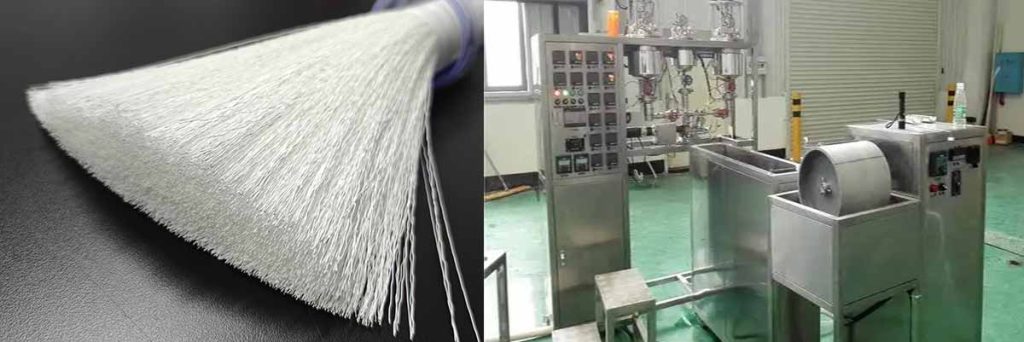
Patient safety depends on the careful selection of membrane permeability in a hollow fiber hemodialyzer. The dynamics of blood flow and dialysate flow through the membrane influence the transport of solutes and fluids. When permeability is too high, the membrane may allow excessive loss of essential proteins, hormones, and vitamins. Super high-flux dialyzers, often used for septic patients, can increase the risk of albumin loss syndrome, leading to hypoalbuminemia, morbidity, and even death. Medium cut-off dialyzers, designed for enhanced removal of middle molecules, also pose a risk of albumin loss due to their more permeable structure.
- Excessive albumin loss can cause serious health complications.
- Larger pore sizes in high-flux membranes increase the loss of vital proteins.
- Medium cut-off dialyzers may improve toxin removal but also risk losing beneficial molecules.
- Super high-flux dialyzers are effective for certain treatments but may compromise patient safety.
Clinical studies show that increased membrane permeability may correlate with better survival rates for patients with renal insufficiency. However, the balance between toxin removal and retention of essential molecules remains critical for safe dialysis treatment.
| Aspect | Details |
|---|---|
| Study Objective | To compare the effect of membrane permeability on mortality in patients on bicarbonate hemodialysis. |
| Patient Criteria | Patients on hemodialysis for no longer than one month with serum albumin 4 g/dl or lower. |
| Randomization | Patients will be randomized to either the experimental or control group. |
| Follow-up Duration | Maintenance period of three to five years with regular visits to record clinical and laboratory parameters. |
| Sample Size | A minimum of 660 patients to be enrolled within a two-year recruitment period. |
Balancing Toxin Removal and Essential Molecule Retention
The membrane in a hollow fiber hemodialyzer must balance the removal of toxins with the retention of essential molecules. Medium cut-off membranes enhance the removal of middle molecules linked to uraemia while retaining larger beneficial proteins such as erythropoietin and coagulation factors. The increased pore size does not significantly affect the retention of these proteins or the removal of smaller molecules, supporting effective treatment for patients with renal insufficiency.
International guidelines recommend considering the size and toxicity of solutes when selecting membrane permeability. Non-selective membranes can remove multiple toxins in one session, but increased porosity may lead to the loss of beneficial substances. The ELUTE approach targets only toxins with proven harm, optimizing the balance between removal efficiency and retention of essential molecules. Simulation studies help clinicians understand flow dynamics and predict how changes in membrane design affect patient outcomes. Proper blood flow and dialysate flow ensure safe and effective transport of solutes during dialysis.
Factors Affecting Hollow Fiber Membrane Permeability
Material, Pore Size and Design
The choice of material in a hollow fiber hemodialyzer shapes the permeability and selectivity of the membrane. Polysulfone membranes offer excellent biocompatibility and water permeability, making them popular for dialysis. Variations in manufacturing, such as the amount of hydrophilic polymer, change the permeability characteristics. Additives like poly(sodium 4-styrene sulfonate) and ethylene glycol increase water flux and alter the morphology of the hollow fiber membrane, which improves water transport. Polyethersulfone blended with SlipSkin™ enhances the removal of uremic toxins and resists fouling, showing that polymer blends can boost performance.
Pore size plays a critical role in the selectivity and permeability of the hollow fiber dialyzer. The ideal inner pore size at the nanometer scale allows diffusion of uremic toxins while retaining essential proteins. Advanced co-extrusion methods produce membranes with superior toxin removal and lower protein leakage compared to conventional methods. The following table summarizes the impact of pore size and design:
| Aspect | Description |
|---|---|
| Pore Size | Nanometer scale (5–10 nm) supports toxin diffusion. |
| Protein Retention | Membrane retains albumin, allowing smaller toxins to pass. |
| Shell Side Control | Shell side properties reduce mass transfer resistance. |
| Performance Comparison | Co-extrusion membranes show better toxin removal and less protein leakage. |
| Key Metrics | M#4 membrane achieves lowest protein leakage and highest removal rates for urea and creatinine. |
Design features, such as shell side control and flexible membrane structure, help optimize flow and mass transfer dynamics. Simulation studies support the development of membranes that balance toxin removal and protein retention for patients with renal insufficiency.
Advances in Manufacturing and Hollow Fiber Spinning Machine
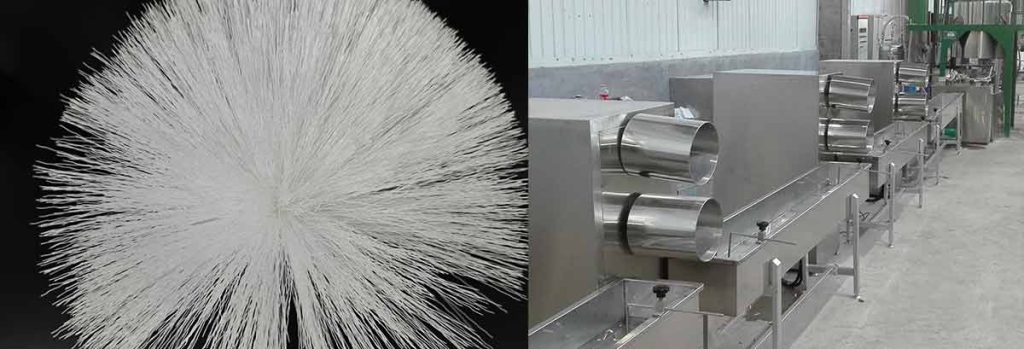
Modern manufacturing innovations have transformed the production of hollow fiber membranes for blood treatment. The hollow fiber spinning machine now uses in-line quality control sensors to ensure consistent product quality. Predictive maintenance reduces downtime and improves production efficiency. Automation and artificial intelligence enhance operational efficiency, while real-time monitoring of viscosity, temperature, and pressure ensures consistency.
Eco-friendly solvent recovery systems and green spinning techniques reduce environmental impact. Multi-layer hollow fibers allow blending of polymers, which improves strength and performance. Advanced sensors and programmable logic controllers (PLC) control flow rates and fiber diameters with precision. Tandem spinnerets increase productivity without sacrificing quality. Real-time monitoring and automatic pass/fail determination optimize the process and assure membrane quality.
These advances in manufacturing support reproducibility and high quality in hollow fiber dialyzer. Flexible membrane structure design enables tailored solutions for specific treatment needs. Improved flow control and membrane consistency benefit patients by enhancing blood flow, dialysate transport, and overall dialysis outcomes.
Choosing the Right Membrane for Dialysis Patients
Clinical Considerations in Membrane Selection
Clinicians evaluate several factors when selecting a membrane for dialysis. They consider the patient’s health status, the type of toxins present, and the desired balance between toxin removal and retention of essential proteins. The choice of membrane affects blood flow, dialysate flow, and the overall quality of blood treatment. Recent studies show that medium cut-off dialyzers improve the clearance of middle molecular toxins, which supports better long-term outcomes for patients with renal insufficiency. These membranes mimic the kidney’s natural transport profile and help retain important proteins during hemodialysis treatment.
Simulation and computational fluid dynamics models help predict how changes in membrane design influence flow and toxin removal. These tools guide clinicians in choosing membranes that optimize treatment for each patient.
The following table summarizes findings from clinical studies comparing different membrane types:
| Study Type | Patient Count | Membrane Types Compared | Key Findings |
|---|---|---|---|
| RCT | 159 | Meltspun cellulose diacetate, high-flux polysulfone, low-flux polysulfone | No survival difference observed |
| RCT | 72 | Low-flux vs high-flux polysulfone | No significant differences in survival rate, recovery of renal function, or duration of hemodialysis |
| Cochrane Review | 32 studies | Synthetic vs cellulose/modified cellulose membranes | No mortality benefit, but synthetic membranes reduced serum albumin loss and β2m concentration |
Customizing Dialysis for Individual Needs
Patient-specific factors play a critical role in membrane selection. Comorbidities such as diabetes and cardiovascular disease influence the choice of membrane permeability. High-flux synthetic membranes provide better removal of larger uremic toxins, which is essential for patients with these conditions. The dynamics of blood flow and dialysate flow must match the patient’s toxin load and treatment goals.
Recent advancements in membrane technology have improved safety and efficacy in hollow fiber hemodialyzer.
- High-flux membranes enhance the removal of larger molecular weight toxins and middle molecules, improving patient outcomes.
- They allow for reduced treatment times due to increased efficiency in waste product removal, enhancing patient comfort.
- Clinical studies indicate that high-flux hemodialysis leads to better blood pressure control and reduced inflammation in patients with end-stage renal disease.
Clinicians use computational models and simulation to tailor dialysis for individual patients. These approaches help optimize flow, transport, and clearance, ensuring that each patient receives the most effective blood treatment. Customizing membrane selection improves the quality of care and supports better outcomes for patients with renal insufficiency.
Conclusion
Membrane permeability shapes dialysis performance and patient health. High-flux dialyzers improve survival rates, especially for patients with low albumin or diabetes.
| Dialyzer Type | Survival Rate Improvement | Relative Risk Reduction | Notes |
|---|---|---|---|
| High-Flux | Significant | 37% (for low albumin) | Improved survival in patients with serum albumin levels ≤ 4 g/dL. |
| High-Flux (Diabetes) | Significant | 38% | Longer survival in diabetic patients compared to low-flux group. |
| Low-Flux | Not significant | No significant effect on mortality in the overall population. |
Recent advances in membrane technology offer more effective and portable dialysis options. New membranes filter toxins while preserving vital molecules, helping clinicians tailor treatment. Informed choices lead to better outcomes and quality of life.
FAQ
What Is Membrane Permeability in Hemodialysis?
Membrane permeability describes how easily solutes and water pass through the hollow fiber membrane. High permeability allows faster toxin removal. Low permeability limits the movement of larger molecules.
How Does Membrane Permeability Affect Patient Safety?
Membrane permeability controls which substances leave the blood. High permeability can remove toxins quickly. Excessive permeability may cause loss of essential proteins, increasing health risks.
Why Do Clinicians Choose Different Membrane Types?
Clinicians select membranes based on patient needs. High-flux membranes suit patients with more toxins. Low-flux membranes help retain important molecules. The choice depends on health status and treatment goals.
What Role Does Pore Size Play In Dialyzer Performance?
Pore size determines which molecules cross the membrane. Small pores block proteins. Larger pores allow middle molecules to pass. The right pore size improves toxin removal and protects vital substances.
Are Advances in Membrane Manufacturing Beneficial?
Recent advances improve membrane consistency and performance. Automated spinning machines create precise fibers. These innovations help clinicians deliver safer and more effective dialysis.