


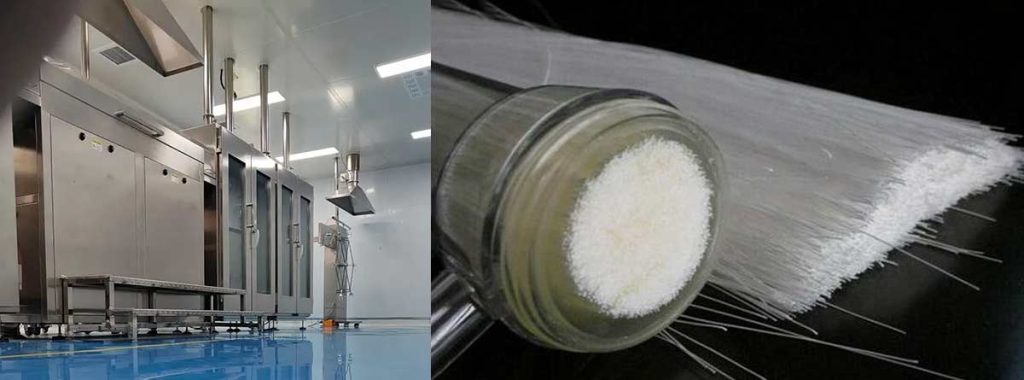
Clean drinking water remains essential for health, yet millions still face risks from poor water quality. A comprehensive comparison shows that water filter fiber, produced with hollow fiber spinning machine, often delivers superior filtration and contaminant removal compared to traditional filter. Recent data links unsafe water to over 1.1 million annual illnesses in the U.S. alone and more than a million preventable deaths worldwide. As filtration methods evolve, individuals must choose the most effective solution for drinking water safety and quality.
Key Takeaways
- Water filter fiber made with hollow fiber spinning machine offers better removal of bacteria, viruses, and heavy metals than traditional filters.
- Traditional filters like activated carbon and sand work well for removing sediment, chlorine, and improving taste but do not reliably remove all pathogens.
- Fiber-based filters provide faster water flow rates, making them ideal for portable and emergency use, while traditional systems suit large-scale or household setups.
- Regular maintenance, such as cleaning or replacing filters, is essential for both filter types to keep water safe and maintain performance.
- Choosing the right filter depends on water quality, installation needs, cost, and environmental impact; combining both technologies can improve overall water safety.
Water Filter Fiber
How It Works?
Water filter fiber uses advanced membrane filtration technology to purify water. Manufacturers often produce these fibers using a hollow fiber spinning machine, which creates fine, uniform strands. These strands form a fiber bundle filter , which acts as a barrier against contaminants. Water passes through the hollow fiber membrane, and the fibers trap particles, bacteria, and even viruses. The structure of the fiber bundle filter media allows for high surface area, improving filtration efficiency. Nonwoven fabrics made from continuous fibers, such as melt blown and spunbond, are common in water filtration. These fibers remove larger particles and protect the membrane from clogging. Many water filter fiber products also include antimicrobial agents, such as silver nanoparticles, to prevent biofouling and extend filter life.
Hollow Fiber Spinning Machine
Hollow fiber spinning machine plays a crucial role in membrane filtration. This equipment spins synthetic or natural fibers into hollow tubes, which become the core of water filter fiber technology. The machine controls pore size and fiber thickness, allowing precise engineering of membrane properties. Hollow fibers can be bundled together to create fiber bundle filter media, which increases the filtration surface area. The membrane filtration process relies on these hollow fibers to separate contaminants from water. Manufacturers use materials like polyamide, polyester, and polypropylene for their chemical resistance and mechanical strength. The hollow fiber spinning machine enables the production of membranes with consistent quality and high filtration performance.
Filtration Capabilities
Water filter fiber demonstrates impressive filtration capabilities due to its membrane structure and material diversity. The following table summarizes how different fiber materials contribute to filtration efficiency:
| Fiber Material Category | Examples of Materials | Contribution to Filtration Efficiency |
|---|---|---|
| Natural Fibers | Cotton, Wool | Mechanical strength, flexibility, dirt holding capacity |
| Regenerated Fibers | Viscose Rayon | Durability, chemical resistance, particle retention |
| Synthetic Fibers | Polyamide, Polyester, Polyolefins | Engineered pore sizes, chemical resistance, mechanical strength |
| Nanofibers | Electrospun nanofibers | High surface area, nanoscale pores, improved particle capture |
| Biodegradable Fibers | Soy protein, Silk fibroin, Gelatin, Chitosan, PLA, PVA | Sustainable, antibacterial properties, functional groups attract particles |
| Composite Materials | Activated carbon + fibers | Adsorption of chemical contaminants, complements mechanical filtration |
Scientific studies show that carbonized cotton fibers can remove industrial pollutants like methylene blue from water. MIT researchers developed a membrane filtration fiber using cellulose and silk, which removed more contaminants than standard materials and resisted bacterial fouling. Membrane filtration types, such as microfiltration and ultrafiltration, benefit from nanomaterial modifications, improving separation efficiency and adding antibacterial effects. These advances make water filter fiber a leading choice for cleaner water, with membrane filtration providing reliable contaminant removal and long-lasting performance.
Traditional Water Filters
Types of Filter
Traditional filter filter form the backbone of many water purification systems. These materials include activated carbon, anthracite, sand, gravel, cotton filter cloths, bone char, and zeolite. Each type offers unique filtration capabilities. The table below summarizes the most common traditional filter media and their functions:
| Filter Media | Filtration Capabilities |
|---|---|
| Activated Carbon | Adsorbs chlorine, organics, heavy metals; removes bad tastes and odors. |
| Anthracite | Removes dissolved organics and suspended solids; resists erosion and chemicals. |
| Sand | Removes sediment and turbidity; suitable for solid-liquid separation. |
| Gravel | Supports flow distribution and prevents clogging in media filtration systems. |
| Cotton Filter Cloths | Provides fine filtration; customizable for specific applications. |
| Bone Char | Used for filtration and decolorization. |
| Zeolite | Removes ammonia and nitrogen; excels in wastewater and aquaculture. |
| Multimedia Filters | Layered media remove particles of various sizes; extend filter run time. |
Traditional filter remains popular due to their reliability and adaptability in various settings.
Filtration Mechanisms
Media filtration relies on several physical and chemical processes. Activated carbon uses adsorption to capture organic compounds and chlorine. Sand and anthracite trap suspended solids through mechanical straining. Zeolite removes ions like ammonia and nitrogen by ion exchange. Cotton filter cloths provide fine filtration for specific needs. Multimedia filters combine layers such as sand, anthracite, and activated carbon to target a wide range of contaminants. These systems often use gravel as a support layer to maintain flow and prevent clogging. Unlike the hollow fiber spinning machine, which produces advanced membrane fibers, traditional filter depends on the properties of natural and synthetic materials for effective filtration.
Tip: Regular maintenance, including cartridge replacement and system flushing, ensures optimal performance and prevents contamination in media filtration systems.
Common Applications
Traditional water filters serve in many environments. Households use sand and carbon filters for drinking water purification. Municipal plants rely on large-scale media filtration to treat public water supplies. Industries use multimedia filters to remove sediment, organic matter, and chlorine from process water. Zeolite filters find use in aquaculture and wastewater treatment due to their ion-exchange properties. Cotton filter cloths appear in specialized filtration setups. Media filtration systems offer flexibility, making them suitable for both point-of-use and whole-house applications. Their proven track record and ease of use keep traditional filter media relevant in modern water treatment.
Water Filtration Performance
Contaminant Removal
Water filtration systems must remove a wide range of pollutants to ensure safe drinking water. The differences between membrane and media filtration become clear when comparing their ability to eliminate bacteria, viruses, heavy metals, and organic compounds.
Hollow fiber membranes, produced by a hollow fiber spinning machine, physically block bacteria and pathogens through microscopic pores. These pores typically range from 0.1 to 1 micron, which reliably stops bacteria sized between 0.1 and 5 microns. Traditional filters, such as activated carbon or sand, mainly trap larger particles and improve taste or odor. They do not consistently remove bacteria or viruses due to their larger pore sizes.
| Filter Type | Mechanism of Action | Bacteria Removal Effectiveness | Additional Notes |
|---|---|---|---|
| Hollow Fiber | Physical filtration through microscopic pores in tiny straws | Highly reliable; physically blocks bacteria and pathogens | High flow rates; effective in various water conditions; can be damaged by freezing or drops |
| Traditional Filters | Adsorption (activated carbon) and physical filtration of larger particles | Less effective; primarily removes larger particles and improves taste/odor | Typically traps particles down to ~0.5 microns; not reliable for bacteria or viruses; do not indicate when full |
Membrane filtration, especially with advanced fibers, also excels at virus removal. Studies show that high-performance virus removal filter papers achieve removal rates above 99.2%, with thicker membranes reaching log removal values (LRV) of 5 or more. Natural fiber filters enhanced with Moringa oleifera proteins demonstrate even higher virus removal, exceeding 7 log10, which means more than 99.99999% of viruses are eliminated. These results surpass the capabilities of most traditional media filtration systems.

Heavy metal removal further highlights the differences between membrane and media filtration. Chemically modified fiber filters, such as those using beetroot fibers or synthetic polymers, can remove up to 100% of lead and 95% of arsenic. Hollow fiber membranes blended with Fe3O4/MWCNTs-COOH nanohybrids also show high removal rates for arsenic and lead, along with strong antifouling properties. Traditional iron filters, while able to reduce arsenic by forming iron hydroxide particles, offer only moderate effectiveness and require frequent maintenance.
| Filter Type | Target Heavy Metal | Removal Efficiency (%) | Notes |
|---|---|---|---|
| Chemically modified beetroot fibers (hybrid filter) | Pb2+ | 100 | High removal efficiency due to chemical modification and small fiber size at optimal pH |
| Limestone and activated carbon (hybrid filter) | Fe2+ | 100 | Effective for iron removal, indirectly aiding arsenic removal |
| Clay-EDTA (hybrid filter) | Pb2+ | 95 | High removal efficiency |
| Synthetic polymer-enhanced filters (e.g., PEI) | Pb2+ | 80 | Selective binding of metal ions |
| Synthetic polymer-enhanced filters (e.g., synthetic zeolites) | Pb2+ | 95 | High removal efficiency |
| Metal oxides (e.g., Fe3O4) | As3+ | 80 | Effective arsenic removal |
| Hollow fiber membranes blended with Fe3O4/MWCNTs-COOH nanohybrids | As3+ | ~77 | Excellent removal in lab water |
| Traditional iron filters | Arsenic | Moderate to low | Remove arsenic by transforming dissolved iron to iron hydroxide particles; prone to clogging and less effective than advanced media |
Traditional filters, such as sand or carbon, remain effective for removing suspended solids and some organic compounds. However, they cannot match the filtration efficiency of modern membrane systems for bacteria, viruses, and heavy metals.
Note: The choice of filter impacts the range of pollutants removed. Membrane filtration, especially with hollow fiber spinning machine, provides broader protection against contaminants than most traditional media filtration systems.
Filtration Rate
Filtration rate measures how quickly a system can produce filtered water. This factor affects both convenience and overall water filtration performance.
Fiber-based filters, especially those designed for portable use, deliver high flow rates. For example, the Platypus QuickDraw filter processes up to 3 liters per minute, while the MSR Guardian achieves 2.5 liters per minute. Other popular fiber-based models, such as the Katadyn BeFree and Sawyer Squeeze, offer rates between 1.7 and 2 liters per minute. These rates allow users to access clean drinking water quickly, making fiber-based filters ideal for outdoor activities and emergency situations.
Traditional systems, such as reverse osmosis (RO) units, operate at slower rates. The Brio Aquus RO system filters water at about 1 liter per minute. This slower rate results from the extremely small membrane pores (0.0001 microns) used in RO systems, which provide excellent pollutant removal but restrict water flow.
| Filter Model | Filtration Rate (liters per minute) | Filter Type |
|---|---|---|
| Platypus QuickDraw | Up to 3.0 | Fiber-based backpacking |
| MSR Guardian | 2.5 | Fiber-based backpacking |
| Katadyn BeFree | 2.0 | Fiber-based backpacking |
| Sawyer Squeeze | 1.7 | Fiber-based backpacking |
| MSR TrailShot | 1.0 | Fiber-based backpacking |
| Brio Aquus RO System | 1.0 | Traditional reverse osmosis (RO) |
Media filtration systems using sand or carbon can process large volumes of water in municipal or industrial settings, but their filtration rate for household use often depends on system design and maintenance. Fiber-based filters, especially those made with hollow fiber spinning machine, combine high flow rates with reliable pollutant removal, offering a strong balance between speed and effectiveness.
Water Quality Results
Filtered water quality depends on both the type of filtration system and the pollutants present in the source water. Membrane filtration, especially with hollow fiber membranes, consistently produces high-quality drinking water by removing bacteria, viruses, and heavy metals. These systems also maintain performance across a range of water conditions, including turbid or contaminated sources.
Traditional media filtration systems, such as sand or activated carbon, improve water quality by reducing turbidity, removing chlorine, and eliminating some organic compounds. However, they do not reliably remove all pathogens or dissolved heavy metals. The differences between membrane and media filtration become most apparent when testing for ultrafine particles and microbial contaminants. Membrane systems, especially those enhanced with nanomaterials or functional coatings, achieve superior filtered water quality and higher overall filtration performance.
Tip: For households seeking the highest water quality, combining membrane filtration with traditional filtration can address a wider range of pollutants and improve taste.
Pros and Cons
Water Filter Fiber
Water filter fiber, especially those produced with a hollow fiber spinning machine, offers several advantages for water purification. Users benefit from:
- Chemical and mechanical stability, which means the fibers resist acids, alkalis, microbial erosion, and oxidation.
- High mechanical strength and durability, especially in membranes made from PVDF, making them suitable for industrial wastewater treatment.
- Operation under mild conditions, without the need for heating or chemical additives, which extends lifespan and simplifies maintenance.
- Simple maintenance routines, such as backwashing and chemical cleaning, help maintain performance and reduce contaminant buildup.
- Long service life and energy efficiency, which make these filters environmentally friendly.
However, water filter fiber also has some drawbacks:
- Most portable microfilters, including hollow fiber filters, do not reliably remove all viruses because viruses are smaller than the filter pore size.
- Complete viral removal requires ultrafiltration or nanofiltration technologies, which are not always present in basic models.
- Regular maintenance, such as back-flushing, is necessary to clear accumulated particles, but some clogging issues may persist.
- The filters can break if frozen or handled roughly, making them less suitable for winter use or harsh conditions.
- Some users report that flow rates do not fully recover after clogging, even with proper maintenance.
Note: The choice of water filter fiber depends on the required filtration performance, expected contaminants, and environmental conditions.
Traditional Water Filters
Traditional water filters remain popular due to their proven track record and adaptability. Their main benefits include:
- Significant reduction of suspended solids and turbidity, which is essential for industries such as food and beverage or oil and gas.
- Effective removal of various contaminants, including metals, bacteria, viruses, iron, and manganese, by selecting the right filter elements.
- High operational efficiency with less downtime, thanks to large dirt-holding capacity and options like duplex bag filtration for continuous operation.
- Convenient installation and operation, with compact designs that simplify assembly, cleaning, and disassembly.
- Long-term cost efficiency, as these systems protect downstream equipment and lower overall maintenance expenses.
Despite these strengths, traditional water filters have notable limitations:
- Limited effectiveness in removing certain contaminants, such as pharmaceuticals and some emerging pollutants.
- Some types, like slow sand filters, require periodic removal of microbial layers, while charcoal filters need frequent replacement.
- Conventional filtration methods may not consistently produce high-quality effluent and often need to be combined with other treatments.
- Maintenance and operation can become costly, especially in developing regions.
- These systems usually require long operating periods and occupy large physical spaces, which can reduce economic viability.
- High turbidity in source water can cause increased head losses and longer filtration times, complicating operation.
Tip: Combining traditional water filters with advanced membrane technologies can improve overall filtration efficiency and water quality.
Choosing the Best Option
Key Factors

Selecting the right water filtration system for drinking water depends on several important factors. The first step involves identifying the specific contaminants present in the household supply. Local water reports, at-home testing kits, and government data help determine if the water contains bacteria, heavy metals, or chemicals. This information guides the choice between water filter fiber, such as those made with a hollow fiber spinning machine, and traditional water filters like activated carbon or reverse osmosis.
Installation feasibility also plays a role. Some systems, such as under-sink units, require plumbing changes or extra space, which may not suit renters or small kitchens. Maintenance needs and filter lifespan differ between products. Some filters need frequent replacement, while others last longer, affecting both time and cost. Certification and independent testing, such as NSF/ANSI standards, provide assurance of filter effectiveness and safety.
Another key factor is the impact on water quality. Some filtration systems remove essential minerals and fluoride, which may require remineralization. Others retain these beneficial elements. Lifestyle needs, such as portability for outdoor use or whole-house versus point-of-use filtration, influence the decision. Cost also matters. While water filter fiber systems often have a higher initial price, they provide long-term savings and high-quality drinking water. Traditional filters or bottled water may seem cheaper at first but can cost more over time due to frequent replacements.
Environmental impact should not be overlooked. The production and disposal of water filter fiber and traditional filter media both require resources and energy. Many filters use plastics and metals that can harm natural habitats and add to landfill waste. Recycling is difficult because filters contain mixed materials and contaminants. Some newer filters use biodegradable or reusable materials, which help reduce waste. Proper maintenance and disposal, along with choosing energy-efficient or biodegradable options, can minimize environmental harm.
Conclusion
Water filter fiber, especially those made with hollow fiber spinning machine, often delivers superior contaminant removal for drinking water. Households should test their supply, set clear goals, and weigh costs before choosing a system. Portable fiber filters suit outdoor use, while traditional filters offer cost-effective solutions for large volumes. Regular maintenance, such as checking seals and replacing cartridges, helps maintain drinking water quality. For the best results, consumers should review their current systems and consult a water treatment expert.