


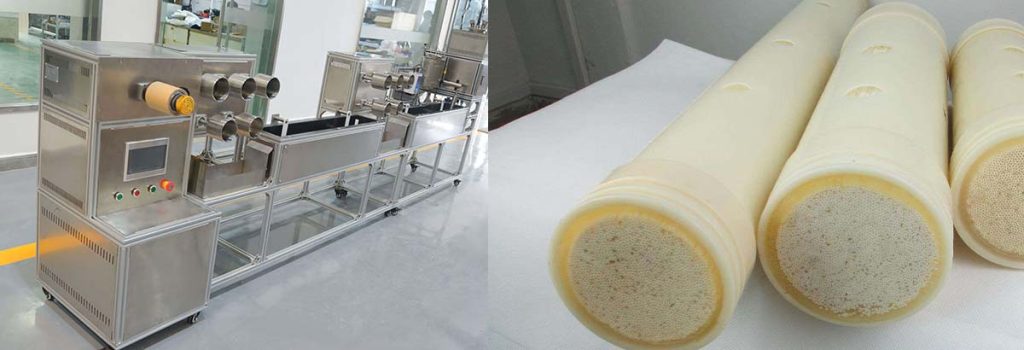
Researchers have found that the hollow fiber spinneret can reduce membrane fouling, but it does not eliminate the problem entirely. This technology shapes hollow fiber membranes and influences their ability to resist contaminants. Several mechanisms help explain how fouling occurs and how these membranes respond:
| Mechanism | Description |
|---|---|
| Pore Size Distribution | Fouling often results from a decrease in pore number caused by large humic substances. |
| Cake Layer Formation | Standard pore blocking plays a major role in membrane fouling. |
| Oil Droplet Penetration | Smaller oil droplets can pass through pores, while larger ones are blocked. |
Manufacturers face challenges when creating defect-free hollow fiber membranes because the phase inversion process demands precise control. Dry-jet wet spinning introduces further complications, making continuous fiber production difficult.
Key Takeaways
- Hollow fiber spinneret reduces membrane fouling but does not eliminate it completely. Understanding this limitation helps set realistic expectations for performance.
- Spinneret design significantly influences membrane structure and performance. Unique designs can enhance surface area and improve fouling resistance, leading to better filtration efficiency.
- Material selection is crucial for membrane performance. Using hydrophilic polymers can enhance fouling resistance, making membranes more effective in various filtration applications.
- Regular cleaning methods, such as backwashing, are essential for maintaining membrane efficiency. Implementing effective cleaning strategies can extend the operational life of hollow fiber membranes.
- Operators should tailor their membrane choice and cleaning methods to specific filtration needs. This approach ensures optimal performance and longevity in water treatment systems.
Hollow Fiber Spinneret and Membrane Structure
Spinneret Design Impact
The design of the hollow fiber spinneret plays a critical role in shaping the structure and performance of hollow fiber membranes. Engineers use the hollow fiber spinning machine to control the geometry of the spinneret, which directly affects the cross-sectional shape and internal architecture of the membrane. Unique designs, such as petal-shaped or multi-bore spinnerets, increase the effective surface area by 20-30%. This expanded area allows more contact between the membrane and feed solution, improving separation efficiency.
The following table summarizes how spinneret geometry influences key aspects of hollow fiber membranes:
| Aspect | Impact |
|---|---|
| Effective Surface Area | Petal-shaped cross-sections boost surface area by 20-30%. |
| Flow Dynamics | Controlled turbulence reduces concentration polarization. |
| Structural Integrity | Asymmetric walls with engineered pore gradients optimize selectivity and permeability. |
| Mechanical Strength | Multi-bore fibers offer superior strength and maintain high flux rates. |
| Fouling Resistance | Optimized geometry provides exceptional resistance to fouling. |
| Manufacturing Complexity | Complex designs increase production costs and limit flexibility. |
| Energy Requirements | Higher energy needs for certain applications compared to simpler designs. |
Material selection also matters. Polymer blends with high molecular weight additives help maintain the shape of complex hollow fiber membranes. Non-circular cross-sections require materials with enhanced creep resistance to withstand uneven stress distribution. The hollow fiber spinneret, when paired with the right polymers, produces membranes with improved mechanical stability and shape retention.
Experimental studies show that adjusting dope flow rates within the spinneret changes membrane porosity and permeability. Higher flow rates produce ultrafiltration hollow fiber membranes with smaller pore sizes and denser skin layers. These changes decrease water permeability but enhance solute separation. Conical spinnerets create fibers with smaller mean pore sizes and larger geometric standard deviations, resulting in lower water flux and better separation compared to straight spinnerets. Scanning electron microscopy reveals that macrovoids nearly vanish in 90° straight spinnerets at high flow rates, while conical spinnerets retain more macrovoids.
Surface Roughness and Pore Formation
Surface roughness and pore formation are key factors in the performance of hollow fiber membranes. The hollow fiber membrane spinning machine allows precise control over these features during manufacturing. Higher surface roughness can increase foulant adsorption, leading to cake layer formation and reduced water flux. However, some modifications, such as adding graphene oxide (GO), can improve hydrophilicity and reduce fouling, even if roughness increases.
| Study | Findings |
|---|---|
| Koo et al. | Higher roughness enhances foulant adsorption, forming cake layers and lowering water flux. |
| Alihemati et al. | Increased GO content reduces fouling despite higher roughness due to improved hydrophilicity. |
| PSF HF membranes | GO-modified membranes show larger pores and increased roughness, but decreased hydrophobicity affects fouling dynamics. |
Pore size distribution depends on spinneret design and dope flow rate.
- Fibers spun at 150 mL/h show peak pore sizes around 80 nm, with a range from 50 to 140 nm.
- Fibers at 30 mL/h have a narrower distribution, peaking between 60 and 80 nm, with an upper limit of 120 nm.
- Fibers at 1 mL/h exhibit the smallest pore sizes, with peaks below 50 nm.
- Pore volume increases with flow rate: 150 mL/h fibers reach about 0.124 cm³/g, 30 mL/h fibers reach 0.076 cm³/g, and 1 mL/h fibers reach only 0.028 cm³/g.
Higher shear rates in the spinneret lead to smaller pore sizes and denser skin layers. These changes decrease water permeability but improve solute separation. The geometry of the spinneret determines the membrane’s pore structure and overall performance.
Hydrophilic Materials in Hollow Fiber Membrane
Material choice greatly affects the fouling resistance of hollow fiber membranes. Manufacturers often use hydrophilic polymers such as cellulose acetate (CA), cellulose acetate butyrate (CAB), and cellulose acetate propionate (CAP) in the fabrication process. Among these, CA provides the highest antifouling properties, especially against proteins like BSA. Hydrophilic surfaces reduce hydrophobic interactions, which helps prevent foulant adhesion and improves membrane performance.
Comparative studies show that fouling rates for sludge filtration are higher for both hydrophilic and hydrophobic membranes than for soluble microbial product filtration. Hydrophobic membranes, such as polyethersulfone, reject more polysaccharides and proteins, resulting in lower flux compared to hydrophilic membranes like regenerated cellulose. The main fouling mechanism for both types is cake resistance, but hydrophobic membranes show higher cake resistance, which correlates with increased solute rejection. Some research suggests hydrophilic membranes generally offer better fouling resistance, while others indicate hydrophobic membranes may reduce protein and microbial adsorption.
Polymeric hollow fiber membranes benefit from hydrophilic modifications, which enhance their resistance to fouling and extend their operational lifespan. The hollow fiber spinneret, combined with advanced material selection, enables the production of membranes tailored for specific filtration needs.
Fouling Reduction Evidence
Backwashable Membrane Modules
Backwashable hollow-fiber membranes have become a popular choice for reducing fouling in water treatment systems. These modules use several innovative techniques to improve cleaning and extend the lifespan of the membrane. Operators often rely on air scour processes, which help dislodge stubborn filter cake materials. This method increases the time between necessary backwashes. The pulsed air method eliminates the need for continuous air delivery, making backwashing more efficient and less energy-intensive. Some systems use a no-aeration MBR design, which applies inertial force to remove particulates and prevent sludge from building up on the membrane surface.
The following table summarizes key improvements in backwash efficiency for hollow fiber membranes compared to conventional modules:
| Improvement Type | Description |
|---|---|
| Air Scour Process | Helps dislodge resistant filter cake materials, extending time between backwashes. |
| Pulsed Air Method | Eliminates continuous air delivery, enhancing backwash efficiency. |
| No-Aeration MBR | Uses inertial force to dislodge particulates, preventing sludge accumulation. |
| Unpotted Membranes | Allows fiber tips to move freely, reducing breakage likelihood. |
| Hybrid Membrane | Combines hollow fiber and flat plate technologies for improved filtration and reduced fouling. |
Operators have observed that backflushing significantly reduces irreversible fouling rates compared to traditional cleaning methods. Higher backflush fluxes provide better fouling mitigation than simply increasing the duration of the backwash. Control of clogging proves more important than fouling itself for maintaining membrane permeability over time.
- Backwashable hollow fiber membranes show strong performance in long-term fouling reduction studies.
- Researchers note that fouling affects both water quantity and the mechanical properties of the membrane, making regular backwashing essential for recovery.
- The effectiveness of backwashing depends on the quality of the influent water and the type of backwashing solution used.
- There is no universal cleaning method that works for all hollow fiber membranes and water conditions. Each system requires a tailored approach for optimal fouling reduction.
These findings highlight the importance of module design and cleaning strategies in extending the operational life of hollow fiber membranes. The hollow fiber spinneret plays a role in shaping the structure of these modules, which directly impacts the ability to resist fouling and clogging.
Channel-Type and Triple-Orifice Spinnerets
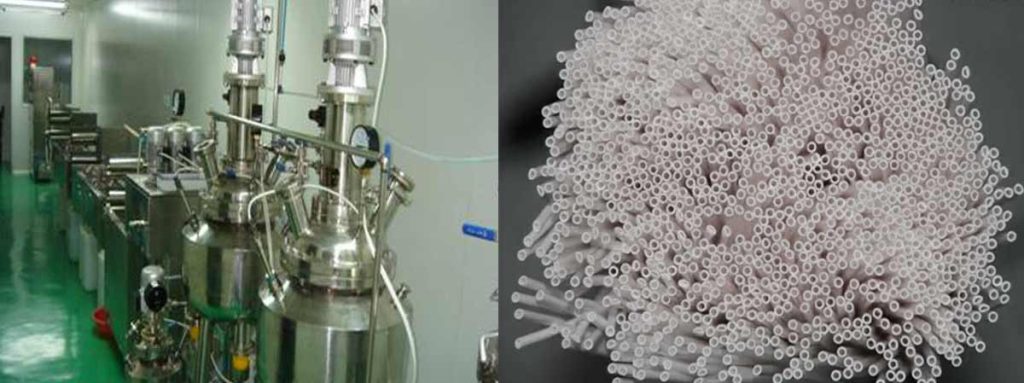
Channel-type and triple-orifice spinnerets have introduced new possibilities for reducing fouling in hollow fiber membranes. These advanced spinneret designs create unique surface patterns and internal channels that improve fluid dynamics during filtration. For example, a tilted sharkskin pattern with a 60° inclination has demonstrated the lowest concentration polarization and boundary layer thickness. This pattern outperforms flat surfaces in terms of permeate flux and fouling reduction.
| Parameter | Result |
|---|---|
| Tilted Sharkskin Pattern | 60° inclination showed the lowest concentration polarization and boundary layer thickness. |
| Comparison with Flat Surface | Sharkskin pattern outperformed flat surfaces in terms of permeate flux and fouling reduction. |
| Simulation Method | Computational Fluid Dynamics (CFD) was used to analyze fluid flow around the patterns. |
Researchers use computational fluid dynamics to study how these patterns affect water flow and foulant deposition. The improved flow dynamics help reduce the buildup of contaminants on the membrane surface. Channel-type spinnerets also create internal channels that allow for more effective backwashing and cleaning. This design helps maintain higher water flux and reduces the risk of irreversible fouling.
Triple-orifice spinnerets produce hollow fiber membranes with multiple internal bores. These structures increase the effective surface area and improve the distribution of flow within the membrane. As a result, the membrane experiences less fouling and maintains better performance over time. Polymeric hollow-fiber membranes made with these spinnerets show enhanced resistance to fouling and longer operational lifespans.
Tip: Channel-type and triple-orifice spinnerets can help operators achieve more stable and efficient filtration by reducing the frequency and severity of fouling events.
The combination of innovative spinneret design and advanced cleaning methods offers a promising path for improving the durability and effectiveness of hollow fiber membranes in real-world applications.
Limitations of Hollow Fiber Membrane
Clogging and Biofouling Risks
Hollow fiber membranes offer many advantages in water treatment, but they face persistent challenges from clogging and biofouling. Operators observe several types of fouling during long-term operation. Organic fouling occurs when fats, oils, and proteins accumulate on the membrane surface. Inorganic fouling, also known as scaling, results from minerals like calcium and magnesium precipitating and blocking pores. Colloidal fouling happens when fine particles such as silt or colloids obstruct the membrane structure. Biofouling stands out as a major concern, with microorganisms forming biofilms that reduce membrane efficiency and increase maintenance needs.
| Type of Fouling | Description |
|---|---|
| Organic fouling | Accumulation of organic materials such as fats, oils, and proteins. |
| Inorganic fouling | Precipitation of minerals like calcium and magnesium, leading to scaling. |
| Colloidal fouling | Blockage of membrane pores by fine particles like silt or colloids. |
| Biofouling | Formation of biofilms by microorganisms on the membrane surface. |
Operators often use backwashing and chemical cleaning to address these issues, but frequent interventions can shorten the lifespan of hollow fiber membranes. The risk of irreversible clogging increases when filtration systems run at high flux or treat water with high contaminant loads. Polymeric hollow fiber membranes sometimes show better resistance to certain types of fouling, but no membrane remains immune to clogging and biofouling over time.
Surface Modification Challenges
Surface modification aims to improve the anti-fouling properties of hollow fiber membranes. Engineers often try to enhance hydrophilicity to reduce protein and microorganism adsorption. PTFE hollow-fiber membranes, for example, have an intrinsically hydrophobic surface, which attracts foulants and leads to rapid performance decline. Researchers develop new surface modification techniques to address this issue, but they face technical challenges. Modified membranes must maintain stability and performance under real operational conditions, which can be difficult to achieve.
Surface modification techniques increase membrane hydrophilicity and reduce fouling propensity. These changes improve selectivity, leading to better separation performance and longer operational lifetimes. Some membranes, such as FS-coated PP, demonstrate superior chemical stability and durability, confirming their long-term performance in CO2 absorption. Chemical linkages formed during modification, like amidation reactions, further improve membrane stability during pervaporation dehydration operations.
Despite these advances, engineers must balance improved anti-fouling properties with the risk of reduced mechanical strength or chemical resistance. Not all surface modifications work equally well for every application. Operators must consider the specific requirements of their filtration system before selecting a modified hollow fiber membrane.
Note: Surface modification can extend the life of hollow fiber membranes, but it may also introduce new challenges related to durability and compatibility with different water sources.
Comparing Anti-Fouling Methods
Spinneret Vs. Other Technologies
Researchers have developed several approaches to reduce fouling in membrane systems. Spinneret technology stands out for its ability to create micro-structured hollow-fiber membranes. These structures help reduce the buildup of contaminants and make cleaning easier, especially when filtering biological solutions. Chemical cleaning methods, in contrast, often require frequent use of harsh agents to remove deposits from the membrane surface. Spinneret-based hollow fiber membranes can offer a potential advantage by enhancing cleaning efficiency and reducing the need for aggressive chemicals.
When comparing spinneret-based anti-fouling to physical and biological methods, several unique features emerge:
- Spinneret-based hollow-fiber membranes use electrospun nanofiber layers that can be modified for superhydrophobic properties. These surfaces act as self-cleaning barriers, shedding water and contaminants.
- Engineers can introduce antimicrobial functional groups into the membrane, which helps prevent microbial adhesion and biofilm formation.
- Traditional physical and biological methods often rely on biocides. These chemicals can harm the environment and may not break down easily.
- Spinneret-based approaches require ongoing research to fully understand their effectiveness compared to established methods.
Operators must weigh these factors when choosing an anti-fouling strategy for their filtration systems.
Practical Factors
Real-world applications demand careful consideration of cost, scalability, and maintenance. Spinneret-based hollow-fiber membranes often require less pretreatment and maintenance than other anti-fouling technologies. The table below highlights key differences:
| Feature | Spinneret-based Hollow Fiber Membranes | Other Anti-fouling Technologies |
|---|---|---|
| Pretreatment Requirements | Lower | Higher |
| Maintenance Requirements | Lower | Higher |
| Risk of Damage | Aggressive back flushing can damage | Varies by technology |
| Mechanical Strength | Reinforced membranes extend lifetime | Varies by technology |
Operators find that hollow fiber membranes produced with advanced spinneret designs can last longer and require fewer interventions. However, aggressive back flushing may still damage the membrane if not managed carefully. The mechanical strength of reinforced hollow fiber membranes helps extend their operational life, making them suitable for large-scale water treatment plants.
Scalability remains a key advantage for spinneret-based hollow fiber membranes. Manufacturers can produce these membranes in large quantities, supporting widespread adoption in municipal and industrial settings. Cost considerations depend on the complexity of the spinneret design and the materials used. While initial investment may be higher, reduced maintenance and longer membrane life can offset these costs over time.
Tip: Operators should match the anti-fouling method to the specific needs of their filtration system, considering both short-term and long-term performance.
Conclusion
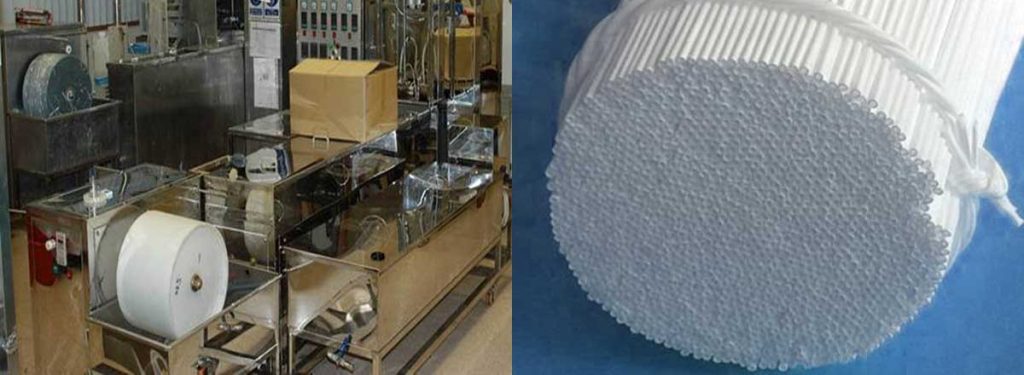
Hollow fiber membranes show strong resistance to membrane fouling, but no membrane can fully stop fouling. Spinneret design improves membrane structure and membrane fouling properties. Operators see better membrane performance and longer membrane life. Membrane cleaning methods like backwashing help maintain membrane efficiency. Membrane material selection and membrane surface modification also play key roles. Membrane limitations include clogging and biofouling. Membrane technology continues to evolve. Hollow fiber membranes remain a top choice for filtration.
Tip: Operators should match membrane type and membrane cleaning strategy to their filtration needs for best results.
FAQ
What Is the Main Advantage of Hollow Fiber Spinneret Technology?
Hollow fiber spinneret technology creates membranes with unique structures. These structures help reduce fouling and improve cleaning efficiency. Operators see better performance in filtration systems, especially in challenging environments.
Can Hollow Fiber Membranes Be Used in Wastewater Treatment?
Engineers use hollow fiber membranes in wastewater treatment plants. These membranes remove contaminants and support high water recovery rates. Their design allows for easy cleaning and long-term operation.
How Does Spinneret Design Affect Filtration Performance?
Spinneret design shapes the internal channels and surface patterns of the membrane. These features control water flow and reduce the buildup of contaminants. Improved flow dynamics lead to higher filtration efficiency.
What Are the Common Cleaning Methods for Hollow Fiber Membranes?
Operators often use backwashing and air scouring to clean hollow fiber membranes. These methods remove foulants and restore membrane performance. Regular cleaning extends membrane lifespan and maintains system efficiency.
Do Hollow Fiber Membranes Prevent All Types of Fouling?
No membrane can prevent all fouling. Hollow fiber membranes resist many contaminants, but biofouling and clogging still occur. Operators must monitor systems and use cleaning strategies to maintain optimal filtration.