


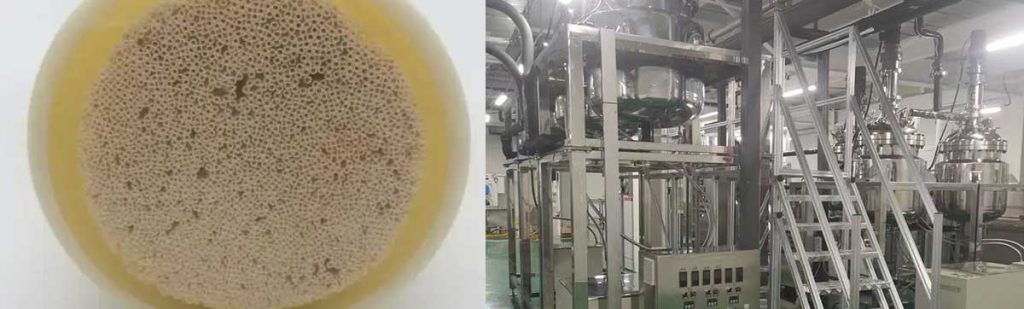
Hollow fiber dialyzer manufacturers in 2026 face urgent supply chain disruptions that threaten stable production. Rising tariffs on imported raw materials have increased costs, especially for high flux membrane and synthetic polymer segments in Asia-Pacific regions. The COVID-19 pandemic has forced major players to adapt rapidly, changing procurement and pricing strategies for healthcare providers who serve chronic kidney disease patients. Growing kidney disease prevalence drives demand, but these challenges strain the entire chain. Key equipment, such as the hollow fiber spinning machine, plays a vital role in supply chain optimization and maintaining consistent quality.
Key Takeaways
- Rising demand for hollow fiber dialyzers is driven by increasing chronic kidney disease cases and an aging population.
- Manufacturers must diversify their supply chains to reduce risks from shortages and price volatility in raw materials.
- Investing in technology and automation can enhance production efficiency and improve the quality of dialyzers.
- Strategic partnerships with suppliers and healthcare providers can help manufacturers navigate regulatory challenges and ensure consistent production.
- Proactive strategies, such as optimizing inventory and aligning teams, are essential for managing supply chain disruptions and supporting growth.
Market Drivers and Supply Chain Overview
Rising Demand for Dialyzers
The hollow fiber dialyzer market continues to expand as millions of people face chronic kidney disease. The demand for hollow fiber dialyzer rises sharply due to an aging population and increased healthcare investments. The market sees significant growth in low-flux dialyzers, which play a crucial role in dialysis treatment. The following table highlights the global prevalence of chronic kidney disease and its impact on the hollow fiber dialyzer market:
| Evidence Type | Description |
|---|---|
| Global Prevalence of CKD | Millions of people are affected by chronic kidney disease worldwide. |
| Demand for Dialyzers | The rising number of patients requiring dialysis has surged the demand for hollow fiber dialyzers. |
| Contributing Factors | The aging population and increased healthcare investments are driving this demand. |
Market growth rates for low-flux dialyzers further illustrate the expanding hollow fiber dialyzer market:
| Year | Market Value (in million USD) | CAGR (%) |
|---|---|---|
| 2025 | 3169 | |
| 2032 | 4570 | 5.5 |
Key Supply Chain Dependencies
Manufacturers in the hollow fiber dialyzer market rely on several critical supply chain dependencies. The production process depends on ultra-pure polymer resins such as polysulfone and polyethersulfone. Specialized additives and solvents maintain membrane quality. The hollow fiber spinning machine is essential for producing medical-grade dialyzers. Facilities require advanced quality control laboratories and technical expertise in polymer science and extrusion technology. Setting up a production facility for the hollow fiber dialyzer market demands significant investment.
- Ultra-pure polymer resins like polysulfone and polyethersulfone
- Specialized additives and solvents
- Hollow fiber spinning machine and controlled environments
- Advanced quality control laboratories
- Technical expertise in polymer science and extrusion technology
Vulnerabilities in the Network
Recent global disruptions have exposed vulnerabilities in the hollow fiber dialyzer market supply chain. These weaknesses affect the availability and affordability of dialyzers. Manufacturers face risks from supply interruptions, price volatility, and logistical challenges. The hollow fiber dialyzer market must address these vulnerabilities to ensure stable supply and meet growing demand.
- Global supply chain vulnerabilities can affect the availability of dialyzers
- These vulnerabilities raise concerns regarding the affordability of hollow fiber dialyzers
Raw Material Challenges for Hollow Fiber Dialyzer Manufacturers
Shortages and Price Volatility
Hollow fiber dialyzer manufacturers face persistent shortages and price volatility in the hollow fiber dialyzer market. The demand for single use hollow fiber dialyzer products continues to rise as the market expands. Manufacturers rely on synthetic polymers like polysulfone and polyethersulfone to produce dialyzers for renal applications. The hollow fiber dialyzer market experiences frequent disruptions in supply, which lead to unpredictable costs. Price fluctuations in raw materials affect the cost structure of dialyzer production. Manufacturers must respond quickly to these challenges to maintain stable supply and quality.
The market sees increased competition for polymer precursors. Suppliers struggle to meet the demand for single use hollow fiber dialyzer products. The growth of the renal market places additional pressure on manufacturers. Rising prices force hollow fiber dialyzer manufacturers to seek alternative sources or adjust production volumes. The chronic shortage of key materials impacts the entire hollow fiber dialyzer market.
Note: Manufacturers who invest in supply chain resilience can reduce the impact of shortages and price volatility on their dialyzer production.
Tariffs and Import Barriers
Tariffs and import barriers create significant challenges for hollow fiber dialyzer manufacturers. Trade tensions and evolving regulatory standards disrupt the flow of essential materials in the hollow fiber dialyzer market. Tariffs increase expenses for polymer precursors used in single use hollow fiber dialyzer production. Import restrictions limit access to high-quality materials, which affects the market’s ability to meet demand.
Manufacturers in the renal market must adapt to changing trade policies. They diversify supply sources and develop resilient logistics networks to overcome these challenges. The hollow fiber dialyzer market faces higher costs and potential shortages due to tariffs and import barriers. These factors threaten the growth of the dialyzer market and reduce profitability for manufacturers.
| Challenge | Impact on Hollow Fiber Dialyzer Market |
|---|---|
| Tariffs | Increased expenses for raw materials |
| Import Barriers | Limited access to polymer precursors |
| Trade Tensions | Supply chain disruptions |
| Regulatory Changes | Need for supply chain diversification |
Impact on Production and Quality
Raw material challenges directly affect production efficiency and product quality in the hollow fiber dialyzer market. The cost structure of single use hollow fiber dialyzer products depends on stable prices for synthetic polymers. Rising prices for polysulfone and other materials increase manufacturing costs. Hollow fiber dialyzer manufacturers must balance profitability with quality standards.
Manufacturers who opt for cheaper materials risk lowering the quality of dialyzers used in renal and dialysis treatment. The hollow fiber dialyzer market relies on consistent supply to maintain production efficiency. Instability in raw material prices leads to delays and reduced output. The market must address these challenges to ensure reliable growth and meet the demand for renal care.
- Stable supply of raw materials supports production efficiency.
- High-quality polymers maintain product standards for single use hollow fiber dialyzer products.
- Rising costs threaten market stability and growth.
Tip: Hollow fiber dialyzer manufacturers who prioritize quality control and supply chain management can sustain growth in the renal market.
Logistics and Transportation Issues
Shipping Delays and Costs
Manufacturers in the hollow fiber dialyzer market face persistent shipping delays and rising transportation costs. U.S. tariffs introduced in 2025 have increased cost uncertainty and compliance workload for dialyzer producers. Longer customs processing times force companies to expand safety stock, although storage space and shelf-life constraints limit this strategy. Providers now favor suppliers with stable replenishment cycles and domestic warehousing to reduce risks associated with shipping delays. The hollow fiber dialyzer market sees manufacturers adopting redundant logistics routes and postponement strategies to minimize disruptions. Operational resilience and regulatory compliance have become priorities for managing costs and conversion risks in the supply chain.
- U.S. tariffs increase cost uncertainty for dialyzer manufacturers.
- Longer customs processing times prompt safety-stock expansion.
- Providers prefer suppliers with stable cycles and domestic warehousing.
- Redundant logistics routes and postponement strategies reduce risks.
Regional Bottlenecks
Regional bottlenecks create significant challenges for the hollow fiber dialyzer market. Each region presents unique logistics obstacles that affect the supply chain for single use hollow fiber dialyzer products. The following table summarizes key logistics challenges and risks across major regions:
| Region | Logistics Challenges | Key Risks |
|---|---|---|
| Europe | Regulatory complexities, supply chain inefficiencies, localization issues | Fragmentation, slower procurement cycles |
| APAC | Diverse market conditions, need for local partnerships, complex regulatory approvals | Localization complexity, political unpredictability |
| LATAM | Macroeconomic volatility, complex taxes, regulatory variations | Currency instability, fragmented logistics |
| MEA | Infrastructure challenges, opaque regulatory frameworks | Political instability, cultural localization |
Manufacturers in the hollow fiber dialyzer market must navigate these regional bottlenecks to ensure reliable supply and meet growing demand for single use hollow fiber dialyzer products.
Inventory and Delivery Risks
Inventory management and delivery reliability remain critical concerns in the hollow fiber dialyzer market. Tariff dynamics lead to increased uncertainty in product categories and sourcing. Longer customs processing times require expanded safety stock, but storage space and shelf-life constraints limit this approach. Regulatory requirements around trade compliance affect supplier relationships and inventory strategies. The hollow fiber dialyzer market must address these risks to maintain production efficiency and support market growth. Manufacturers who optimize inventory and delivery strategies can better respond to rising demand for single use hollow fiber dialyzer products.
Note: Companies that invest in operational resilience and supply chain optimization can reduce inventory and delivery risks in the hollow fiber dialyzer market.
Regulatory and Compliance Pressures
Changing Standards
Manufacturers in the hollow fiber dialyzer market face evolving regulatory standards that shape production and market entry. Regulatory bodies such as the FDA and CE marking authorities impose stringent requirements. These standards demand substantial investments and often delay product launches. Only companies with robust compliance strategies can enter and compete in the market. The single use hollow fiber dialyzer segment must adapt quickly to maintain compliance and support growth. Manufacturers innovate in eco-friendly materials and waste management practices to align with global expectations. Sustainability has become a central focus, driven by both regulatory pressures and societal demand.
- Stringent approvals affect market entry and growth.
- Compliance leads to delays in dialyzer launches.
- High standards limit competition in the hollow fiber dialyzer market.
- Continuous adaptation is necessary for compliance.
- Sustainability drives innovation in single use hollow fiber dialyzer production.
Trade Policies and Tariffs
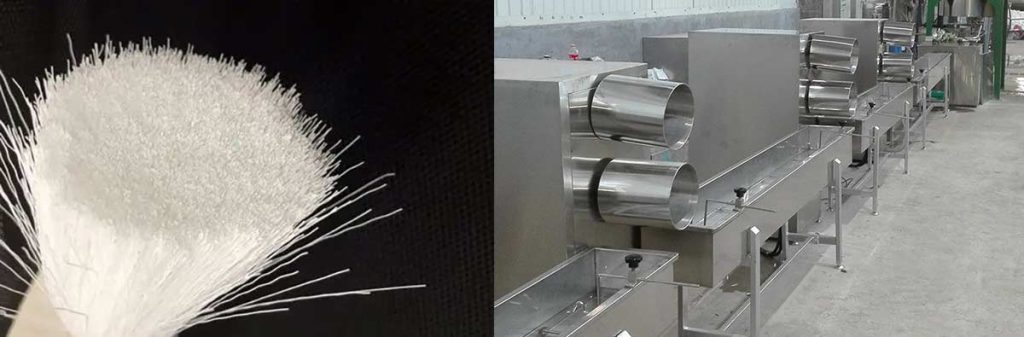
Trade policies and tariffs significantly influence the hollow fiber dialyzer market. Geopolitical factors alter supply dynamics and impact the sourcing of raw materials. Tariffs raise costs for imported synthetic polymers and specialized membrane components. The high flux membrane and synthetic polymer segments in Asia-Pacific regions, including China and India, experience increased expenses due to cross-border supply chain disruptions. Hospitals and dialysis centers adjust procurement strategies to manage rising costs. Local manufacturing and innovation in production technologies gain momentum as market players seek to reduce dependency on imports. The single use hollow fiber dialyzer market must respond to these challenges to sustain growth and meet demand.
- Tariffs increase costs for dialyzer production.
- Import/export restrictions affect market access.
- Sourcing specialized polymers is crucial for production timelines.
- Pricing strategies shift in response to cost increases.
- Local innovation supports market stability and growth.
Certification Challenges
Certification requirements create additional hurdles for manufacturers in the hollow fiber dialyzer market. Each region enforces unique standards for single use hollow fiber dialyzer products. Companies must invest in quality control and documentation to secure certifications. Delays in certification processes can slow market entry and impact growth. The demand for dialyzer products continues to rise, but certification challenges limit the speed at which manufacturers can respond. Market leaders prioritize compliance and invest in advanced testing facilities to maintain their competitive edge.
Tip: Manufacturers who streamline certification processes and invest in quality assurance can accelerate market entry and support growth in the single use hollow fiber dialyzer segment.
| Challenge | Impact on Hollow Fiber Dialyzer Market |
|---|---|
| Changing Standards | Delays, increased investment |
| Trade Policies & Tariffs | Higher costs, supply chain disruption |
| Certification Challenges | Slower market entry, compliance costs |
Geopolitical and Financial Risks
Trade Wars and Sanctions
Trade wars and sanctions create uncertainty in the hollow fiber dialyzer market. Governments impose restrictions on the movement of raw materials and finished dialyzer products. These actions disrupt the market and slow the growth of the single use hollow fiber dialyzer segment. Companies in the market must monitor global trade policies. They adjust sourcing strategies to maintain a steady supply of dialyzer products. Trade tensions often lead to higher costs and reduced access to essential materials. The market sees increased competition for resources, which impacts demand and limits growth.
Supplier Region Instability
Supplier region instability poses a major risk for the hollow fiber dialyzer market. Political unrest, natural disasters, and labor strikes can halt production in key areas. The market depends on reliable suppliers for single use hollow fiber dialyzer components. When instability occurs, companies face delays and shortages. This situation affects the ability to meet demand and maintain market share. Manufacturers often diversify their supplier base to reduce risks. They invest in backup plans to ensure the continuous flow of dialyzer products. The market values stability and quick response to regional disruptions.
Note: Companies that build strong relationships with multiple suppliers can better manage risks from region-specific events.
Currency and Financial Uncertainty
Currency and financial uncertainty influence the hollow fiber dialyzer market in many ways. Fluctuations in exchange rates change the cost of importing raw materials for single use hollow fiber dialyzer production. Sudden shifts in currency values can increase expenses and reduce profit margins. The market must respond quickly to protect against financial losses. Companies use hedging strategies and flexible contracts to manage these risks. Financial instability in supplier countries can also affect payment terms and delivery schedules. The market benefits from strong financial planning and risk management. Reliable financial practices support the growth of the dialyzer sector and help meet rising demand.
| Risk Factor | Impact on Market | Response Strategy |
|---|---|---|
| Trade Wars | Higher costs, supply chain disruption | Diversify sourcing, monitor policy |
| Region Instability | Delays, shortages, lost market share | Backup suppliers, contingency plans |
| Currency Fluctuations | Increased expenses, profit risk | Hedging, flexible contracts |
Strategies for Hollow Fiber Dialyzer Manufacturers
Supply Chain Diversification
Manufacturers in the hollow fiber dialyzer market recognize the importance of supply chain diversification. They source raw materials from multiple suppliers to reduce risks associated with shortages and price volatility. Companies establish regional manufacturing hubs to ensure consistent production of single use hollow fiber dialyzer products. Diversification allows manufacturers to respond quickly to disruptions and maintain steady output. The market benefits from improved resilience and flexibility, which supports growth and helps meet rising demand for dialyzer products.
Manufacturers also invest in alternative polymer sources and develop relationships with local suppliers. This approach strengthens the hollow fiber dialyzer market by minimizing dependency on any single region. Diversification strategies enable companies to adapt to changing regulatory environments and overcome logistical challenges. The market sees increased stability and reliability, which is essential for meeting the needs of patients requiring single use hollow fiber dialyzer treatments.
Tip: Companies that diversify their supply chains can better manage risks and maintain consistent quality in the hollow fiber dialyzer market.
Technology and Automation (Hollow Fiber Spinning Machine Upgrades)
Advancements in technology and automation drive efficiency and quality improvements in the hollow fiber dialyzer market. Manufacturers upgrade hollow fiber membrane spinning machine to enhance membrane fabrication techniques, such as phase inversion and electrospinning. These advancements lower production costs and improve the performance and lifespan of dialyzer membranes. The market benefits from higher quality single use hollow fiber dialyzer products, which support growth and meet increasing demand.
Upgraded hollow fiber spinning machines allow manufacturers to diversify raw material sources and establish localized manufacturing hubs. This mitigates cost volatility and strengthens supply chain resilience. Automation reduces labor requirements and minimizes human error, leading to more consistent production outcomes. The hollow fiber dialyzer market sees companies investing in advanced quality control systems and real-time monitoring technologies. These improvements support the production of reliable dialyzer products and help manufacturers respond to market fluctuations.
| Technology Upgrade | Benefit to Hollow Fiber Dialyzer Market |
|---|---|
| Hollow fiber spinning machine | Enhanced membrane quality, lower costs |
| Phase inversion technique | Improved performance and lifespan of dialyzers |
| Electrospinning | Diversified raw material sources |
| Automation | Consistent production, reduced labor requirements |
Note: Manufacturers who invest in advancements and automation position themselves for strategic opportunities and long-term growth in the hollow fiber dialyzer market.
Strategic Partnerships
Strategic partnerships play a vital role in strengthening the hollow fiber dialyzer market. Manufacturers collaborate with suppliers, technology firms, and healthcare providers to overcome regulatory challenges and navigate complex approval processes. These partnerships enhance supply chain resilience, enabling companies to manage disruptions and maintain consistent production of single use hollow fiber dialyzer products.
- Collaborations help manufacturers meet increasing demand for dialyzer products and expand their market presence.
- Leading companies focus on product differentiation through technological innovations, often requiring collaborative efforts.
- Regulatory compliance improves through strategic partnerships, allowing smoother market entry and faster product launches.
- Competitive dynamics shift as collaborations expand product portfolios and geographical reach.
Manufacturers in the hollow fiber dialyzer market leverage partnerships to access new technologies and share best practices. These relationships support growth and help companies respond to evolving market conditions. Strategic partnerships create opportunities for innovation and expansion, ensuring that manufacturers remain competitive and resilient.
Callout: Companies that prioritize strategic partnerships gain access to new markets, enhance product quality, and strengthen their position in the hollow fiber dialyzer market.
Future Outlook and Recommendations
Anticipated Trends
The hollow fiber dialyzer market will experience rapid transformation during the forecast period. Manufacturers will incorporate nano-sized materials to create dialyzers with improved biocompatibility and filtration efficiency. This innovation will address rising demand for high-flux dialyzers and support more effective renal care solutions. The market will emphasize digital transformation and automation, enabling companies to adapt quickly to changing requirements. Nanotechnology will drive growth by enhancing product performance and reliability. The hollow fiber dialyzer market will continue to evolve, with manufacturers focusing on advanced technologies to maintain a competitive edge.
Actionable Steps
Manufacturers in the hollow fiber dialyzer market can take several steps to address supply chain challenges and ensure market competitiveness:
- Enhance value propositions through product differentiation.
- Invest in research and development to drive innovation.
- Form strategic partnerships with suppliers and healthcare providers.
- Expand manufacturing capabilities to meet rising demand.
Toray Industries expanded its manufacturing capacity for dialyzers in Japan in October 2023. This move reduced lead times and costs for healthcare providers, demonstrating how strategic investments can support market growth. Companies that follow similar strategies will strengthen their position in the single use hollow fiber dialyzer segment.
Tip: Manufacturers who prioritize innovation and collaboration will respond effectively to supply chain disruptions and capture growth opportunities in the hollow fiber dialyzer market.
Market Opportunities
The hollow fiber dialyzer market will see significant growth opportunities as demand for single use hollow fiber dialyzer products increases. Supportive regulatory frameworks will facilitate market expansion and encourage new entrants. Improvements in production scalability and distribution networks will enable manufacturers to efficiently meet rising demand. The market will benefit from global trends such as sustainability, transparency, and ethical practices. Data-driven decision-making and intelligent infrastructure will create new opportunities for advanced dialyzer solutions. Preventative healthcare approaches, including early diagnostics and remote monitoring, will gain traction in emerging segments. Increased research and development, supported by public-private collaborations, will foster tailored solutions for diverse operational needs.
- The single use hollow fiber dialyzer market will grow significantly over the next 5–10 years.
- Regulatory support and improved supply-side capabilities will drive market growth.
- Sustainability and ethical practices will shape future opportunities.
Note: Manufacturers who invest in scalable production and innovative technologies will capture new market opportunities and meet rising demand for dialyzers.
Conclusion
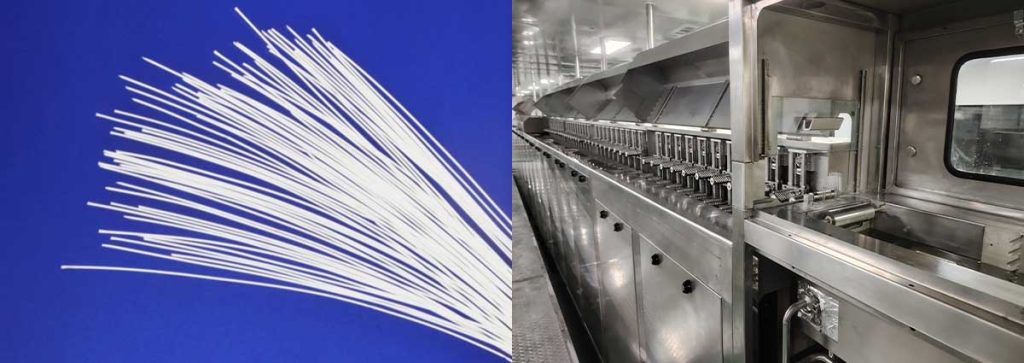
The hollow fiber dialyzer market faces complex challenges that affect dialyzer production, quality, and cost. Manufacturers must address chronic supply risks, rising demand for renal care, and kidney disease prevalence. Proactive strategies such as supply chain diversification, technology upgrades, and partnerships help companies manage market disruptions and support growth. To enhance resilience and competitiveness in the renal market, hollow fiber dialyzer manufacturers should:
- Map critical dialyzer SKUs to patient protocols and stress-test supply continuity.
- Invest in operational outcomes and second-source qualification for high-risk inputs.
- Align nephrology, nursing, and procurement teams on acceptance criteria.
- Optimize inventory policies for customs delays and establish equivalency pathways.
The hollow fiber dialyzer market will continue to evolve as demand for renal solutions rises. Companies that prioritize innovation and collaboration will lead market growth and meet the needs of kidney and renal care worldwide.
FAQ
What Drives Growth in the Hollow Fiber Dialyzer Market?
The hollow fiber dialyzer market grows due to rising chronic kidney disease cases and increased healthcare investments. Manufacturers expand production to meet demand for advanced dialyzers. Aging populations and improved diagnostic methods also contribute to market expansion.
How Do Supply Chain Disruptions Affect the Hollow Fiber Dialyzer Market?
Supply chain disruptions impact the hollow fiber dialyzer market by causing shortages and price volatility. Manufacturers face delays in raw material delivery and increased costs. These challenges reduce production efficiency and affect product quality.
Why Is Technology Important in the Hollow Fiber Dialyzer Market?
Technology improves membrane fabrication and quality control in the hollow fiber dialyzer market. Upgraded hollow fiber spinning machines and automation help manufacturers produce reliable dialyzers. Advanced techniques support market growth and enhance product performance.
What Strategies Help Manufacturers Succeed in the Hollow Fiber Dialyzer Market?
Manufacturers succeed in the hollow fiber dialyzer market by diversifying supply chains, investing in technology, and forming strategic partnerships. These strategies increase resilience, reduce risks, and support consistent production.
How Do Regulatory Changes Influence the Hollow Fiber Dialyzer Market?
Regulatory changes influence the hollow fiber dialyzer market by setting new standards for product quality and safety. Manufacturers must adapt quickly to comply with evolving requirements. Compliance ensures market access and supports growth.