


Selecting the right hollow fiber membrane manufacturer plays a crucial role in the success of many industries. These membranes serve in diverse applications such as treating contaminated water, seawater desalination, kidney dialysis, and biopharmaceutical production. The decision often depends on several factors, including material quality, membrane performance, supplier reputation, compatibility, certifications, scalability, and customer support. Before approaching hollow fiber membrane manufacturers, companies should clearly define their technical requirements and budget limitations.
Key Takeaways
- Define your technical and budgetary needs before selecting a hollow fiber membrane manufacturer. This clarity helps avoid costly mistakes.
- Evaluate the reputation of potential suppliers by checking their track record and industry recognition. A strong reputation often indicates reliable quality and service.
- Prioritize manufacturers that invest in research and development. Innovation leads to better performance and tailored solutions for specific applications.
- Always verify certifications like ISO 9001 and NSF/ANSI. These certifications ensure compliance with quality and safety standards.
- Request product samples and performance data before making a final decision. This step helps confirm the membrane’s suitability for your specific needs.
Material Selection in Hollow Fiber Membranes
Membrane Chemistry and Durability
Material selection forms the foundation of hollow fiber membranes. The chemistry of the membrane directly influences its filtration efficiency, lifespan, and resistance to fouling. Manufacturers often choose from several polymers, each offering unique benefits for specific applications:
- Polysulfone (PSf) supports wastewater treatment and blood purification.
- Polyethersulfone (PES) finds use in medical and industrial membrane manufacturing.
- Polyurethane (PUR) serves various filtration applications.
- Cellulose Acetate (CA) is common in seawater desalination and blood purification.
- Polyvinylidene Fluoride (PVDF) appears in many membrane production processes.
The evolution of hollow fiber membranes has led to improvements in chemical resistance and mechanical durability. These advancements extend operational lifespans and reduce maintenance needs. Recent innovations focus on surface modifications and new material compositions. These changes enhance fouling resistance and support the development of high-performance membranes. For example, PVDF membranes exposed to chlorine in acidic conditions may degrade over time. Compatibility between feedwater chemicals and membrane materials remains essential to prevent fouling and maintain filtration efficiency.
Raw Material Quality
Raw material quality determines the durability of hollow fiber membranes and their filtration efficiency. Manufacturers use strict quality control measures to ensure consistent performance. The following table summarizes standard quality control practices:
| Quality Control Measure | Testing Methods |
|---|---|
| Pore Size Distribution | Bubble point testing, Mercury intrusion porosimetry, Microscopy analysis |
| Mechanical Properties | Tensile strength, Burst pressure, Elongation at break |
| Performance Testing | Water flux, Rejection rates, Fouling resistance |
High-quality raw materials help maintain the biocompatibility and high surface area-to-volume ratio that define hollow fiber membranes. Reliable quality control supports the production of membranes that deliver consistent filtration efficiency and long service life.
Performance and Processing Compatibility
Operating Parameters
Operating parameters play a critical role in determining the filtration efficiency of hollow fiber membranes. Engineers must consider factors such as transmembrane pressure, temperature, and viscosity when evaluating performance metrics. Each parameter influences how well the membrane meets specific filtration needs. For example, optimizing transmembrane pressure increases the driving force for permeation and reduces fouling. Temperature changes affect permeability, selectivity, and mechanical integrity, which leads to variations in flux rates. Viscosity impacts transport mechanisms and can alter permeation rates and selectivity.
Tip: Always match operating parameters to the filtration needs of your process to maximize efficiency and membrane lifespan.
The table below summarizes how these parameters influence the efficiency of hollow fiber membranes:
| Parameter | Influence on Efficiency |
|---|---|
| Transmembrane Pressure | Optimizing this parameter maximizes the driving force for permeation and minimizes fouling. |
| Temperature | Affects permeability, selectivity, and mechanical integrity, leading to variations in flux rates. |
| Viscosity | Changes in viscosity with temperature impact transport mechanisms, affecting permeation rates and selectivity. |
Performance metrics such as solvent permeation and solute rejection help manufacturers assess whether hollow fiber membranes meet the required filtration efficiency. The following table outlines key performance indicators:
| Key Performance Indicator | Description |
|---|---|
| Solvent Permeation | Volume of solvent that passes through a unit area of membrane per unit time under a pressure difference. |
| Solute Rejection | Measure of the membrane’s selectivity, calculated based on solute concentrations in feed and permeate solutions. |
Mechanical and Chemical Stability
Mechanical and chemical stability ensure that hollow fiber membranes maintain filtration efficiency over time. High-performance membranes must withstand repeated cycles of pressure and exposure to chemicals without losing integrity. Manufacturers use performance testing to evaluate these properties and confirm compatibility with existing systems.
Testing methods include ASTM D6908 for pressure-driven applications, ASTM D3923 for burst strength, and ISO 13758 for membrane integrity. Additional tests such as bubble point, cyclic fatigue, and tensile strength provide data on elongation and breaking points. Non-destructive techniques like ultrasonic inspection and electrical impedance spectroscopy detect microfractures and early failures.
| Testing Method | Purpose |
|---|---|
| ASTM D6908 | Evaluates pressure-driven membrane applications. |
| ASTM D3923 | Measures burst strength of membranes. |
| ISO 13758 | Determines membrane integrity. |
| ISO 15747 | Evaluates mechanical properties of polymeric membranes. |
| Bubble Point Test | Assesses burst pressure and correlates with membrane integrity. |
| Cyclic Fatigue Testing | Simulates backwash conditions to evaluate long-term performance. |
| Tensile Strength Testing | Provides data on elongation properties and breaking points of membranes. |
| Scanning Electron Microscopy (SEM) | Analyzes membrane failure mechanisms post-testing. |
| Ultrasonic Inspection | Non-destructive method to detect microfractures. |
| Electrical Impedance Spectroscopy | Another non-destructive technique for early detection of potential failures. |
Manufacturers who prioritize robust performance testing deliver hollow fiber membranes that meet demanding filtration needs. These steps help ensure long-term reliability and support the development of high-performance membranes for industrial and medical applications.
Reputation of Hollow Fiber Membrane Manufacturers
A strong reputation helps clients identify reliable hollow fiber membrane suppliers. Companies with a positive reputation often deliver consistent quality and dependable service. When evaluating hollow fiber membrane manufacturers, clients should focus on both the track record and industry recognition of potential suppliers.
Track Record and References
Clients often examine the track record of hollow fiber membrane suppliers to assess reliability. A proven track record shows that a supplier can meet technical and operational demands. Many clients request technical datasheets and third-party validation reports to confirm technical performance. They also check compliance with current and future standards. Suppliers who invest in research and development often introduce innovative solutions that improve performance. Cost-effectiveness remains important, so clients evaluate the total cost of ownership, including maintenance, energy use, and lifespan. Scalability matters as well, since clients want modules that can adapt to future needs. A lifecycle analysis helps clients focus on long-term value, not just the initial price.
| Criteria | Description |
|---|---|
| Technical Performance | Request detailed technical datasheets and third-party validation reports. |
| Compliance | Confirm adherence to current and anticipated standards. |
| Innovation | Prioritize vendors investing in R&D for improved performance. |
| Cost-effectiveness | Evaluate total cost of ownership, considering maintenance, energy, and lifespan. |
| Scalability | Ensure modules can adapt to future capacity needs. |
| ROI | Focus on lifecycle analysis, not just initial price. |
Clients also consider reasons for dissatisfaction when reviewing supplier reputation. Common issues include fouling, limited chemical resistance, fragility, cleaning challenges, pressure constraints, and shorter lifespan. These factors can affect the long-term satisfaction with hollow fiber membrane suppliers.
Industry Recognition
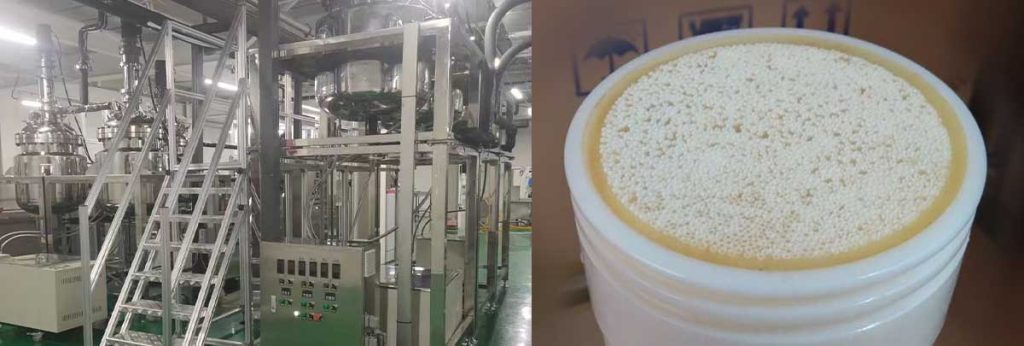
Industry recognition signals that hollow fiber membrane suppliers have earned respect from peers and experts. Awards and honors highlight excellence in research, innovation, and technology. Clients often look for suppliers who have received prestigious awards in membrane science and engineering. Some of the most respected awards include:
- Best Research Award in Membrane Science
- Excellence in Filtration Technology Award
- Breakthrough in Membrane Science Award
- Environmental Innovation in Membrane Science Award
- Global Membrane Science Award
- High-Performance Membrane Science Award
- Membrane Technology Innovation Award
- Excellence in Separation Science Award
Suppliers who receive these awards demonstrate leadership and commitment to advancing membrane technology. A strong reputation, supported by industry recognition, helps clients choose hollow fiber membrane manufacturers who deliver reliable products and services.
Scalability and Customization
Meeting Future Demand
Manufacturers must address the growing need for hollow fiber membranes in industries such as pharmaceuticals and water treatment solutions. Leading companies invest in automation to increase production capacity and maintain consistent product quality. Automation supports scalability, which is essential for meeting rising demand. For example, Asahi Kasei has expanded its production facility in Japan by 40 percent, investing USD 85 million to add advanced automated production lines. This expansion allows the company to supply more membranes for pharmaceutical and water treatment solutions, while ensuring reliable performance.
Industry trends show a shift toward continuous manufacturing and compact, automated systems. Manufacturers use advanced sensors and data analytics to improve process control. These innovations help companies respond quickly to market changes and deliver high-quality hollow fiber membranes. The demand for biopharmaceuticals and water treatment solutions continues to drive the adoption of scalable membrane technologies.
Note: Automation not only increases output but also helps maintain membrane quality during large-scale production.
Custom Solutions
Manufacturers recognize that clients often require customized hollow fiber membranes for unique applications. They offer tailored solutions by collaborating with customers and developing specialized products. The table below highlights how several manufacturers approach customization:
| Manufacturer | Customization Approach |
|---|---|
| DiviGas | Collaborates with clients to create bespoke chemical formulations and prototypes tailored to specifications. |
| Air Liquide | Offers customizable MEDAL™ membrane modules for various applications, allowing for easy installation and scaling. |
| Hills Inc. | Engages in joint development programs with customers to innovate new fiber technologies in-house. |
| YMC | Provides fully customizable tangential flow filtration systems optimized for specific process needs. |
| Membrane Specialists LLC | Develops customized process solutions using various filtration methods and membrane geometries. |
Manufacturers also focus on developing novel membrane materials with improved flux, selectivity, and fouling resistance. Miniaturization and integration with other separation technologies allow for more portable and efficient systems. These advancements enable manufacturers to meet specific client requirements and adapt to future industry trends.
Certifications and Compliance
Industry Standards
Certifications play a vital role in ensuring product quality and market acceptance. Leading manufacturers pursue internationally recognized certifications to demonstrate their commitment to quality management and product safety. The most relevant certifications for this industry include:
- ISO 9001
- NSF/ANSI standards
These certifications show that a manufacturer follows strict quality control processes and meets the requirements for safety and performance. ISO 9001 focuses on quality management systems, while NSF/ANSI standards address health and safety for products used in water treatment and other sensitive applications. Companies that hold these certifications often gain a competitive advantage and build trust with clients.
Tip: Always verify a supplier’s certifications before making a final decision. This step helps ensure consistent product quality and regulatory compliance.
Environmental and Safety
Manufacturers must comply with a range of environmental and safety standards in major global markets. These standards protect both the environment and end users. The table below summarizes key regulatory bodies and their focus areas:
| Regulatory Body | Guidelines/Standards | Focus Areas |
|---|---|---|
| U.S. EPA | Environmental Protection | Water quality, environmental impact |
| FDA | Product Safety | Biocompatibility, chemical safety |
| EU REACH | Chemical Safety | Waste management, chemical safety |
| ISO Standards | Quality Assurance | Product efficacy, operational practices |
Regulatory changes often introduce stricter compliance requirements. Manufacturers must adapt by conducting extensive testing and maintaining detailed documentation. Agencies such as the EPA and FDA enforce standards that can affect production methods and timelines. Companies that fail to comply may face fines or product recalls. Adhering to these regulations forms a key part of a successful market strategy.
Step-by-Step Guide to Choosing Hollow Fiber Membrane Manufacturers
Define Your Needs
Companies should start by clarifying their technical and budgetary requirements. This step helps prevent costly mistakes during supplier selection. Key actions include:
- Evaluate vendor claims to ensure they match technical needs.
- Understand and comply with regulatory standards to avoid future issues.
- Focus on long-term value, not just initial costs.
- Invest in research collaborations to develop membranes that meet specific criteria.
- Optimize technology and adjust supply chains for efficient procurement.
A clear understanding of these factors sets a strong foundation for the next steps.
Shortlist Suppliers
After defining requirements, companies can create a shortlist of potential hollow fiber membrane manufacturers. The following table outlines effective criteria for shortlisting:
| Criteria | Description |
|---|---|
| Material Type and Durability | Assess materials for longevity and performance. |
| Pore Size and Filtration Efficiency | Check filtration effectiveness for specific contaminants. |
| Flow Rate and Performance Metrics | Ensure flow rates meet operational needs. |
| Compatibility with Existing Systems | Confirm seamless integration with current systems. |
| Supplier Reputation and Feedback | Review customer feedback for reliability. |
| Industry Standards and Certifications | Verify compliance with global standards. |
| Pricing, Delivery, and Support | Analyze costs, delivery times, and after-sales support. |
This approach ensures only qualified suppliers move forward.
Evaluate Key Factors
During evaluation, companies should prioritize factors that impact long-term success:
- Scalability: Can the manufacturer support future growth?
- Compliance: Does the product meet current and upcoming regulations?
- Innovation: Is the manufacturer investing in research and development?
- Long-term ROI: Will the membrane deliver savings and durability?
Alignment between manufacturer capabilities and application needs is essential. Companies should verify that the manufacturer’s hollow fiber spinning machine technology matches the technical requirements of the intended process. Cross-checking specifications with independent reports and reviewing competitor data can provide additional assurance.
Request Samples and Data
Before making a final decision, companies should request product samples and performance data. Recommended steps include:
- Assess the quality of the desired stream through sampling.
- Evaluate disposal methods for the unwanted stream.
- Establish a baseline for water flux and monitor changes over time.
Advanced data analysis, such as principal component analysis (PCA) or ARIMA modeling, can help predict membrane performance. Regular sampling and fouling assessments provide a comprehensive view of long-term reliability.
Make Your Selection
The final decision should consider all technical, operational, and economic factors. Companies often use frameworks that include:
- Type of wastewater treated
- System design (submerged or crossflow)
- Membrane material and pore size
- Cleaning and maintenance requirements
Careful evaluation helps avoid common pitfalls, such as membrane fragility or fouling. Selecting the right hollow fiber membrane manufacturers ensures reliable performance and long-term satisfaction.
Conclusion
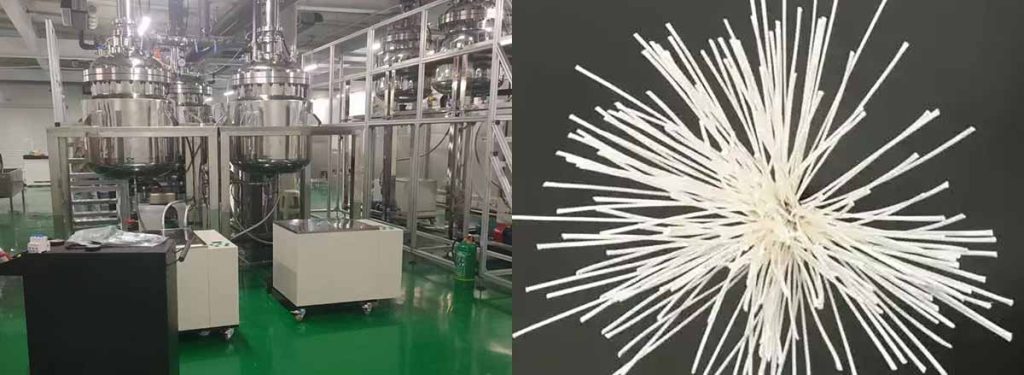
Selecting the best supplier involves careful evaluation of material quality, membrane performance, reputation, scalability, certifications, and customer support. A systematic approach helps buyers compare options and make informed decisions. Companies that follow these steps often achieve reliable operation and long-term satisfaction with hollow fiber membranes.
- Review each factor before making a choice.
- Use the outlined guide for confident decision-making.
- Focus on long-term value and performance.
FAQ
What Are Hollow Fiber Membranes Used For?
Hollow fiber membranes serve in water treatment, medical dialysis, and biopharmaceutical production. They filter contaminants, separate molecules, and support purification processes. Many industries rely on these membranes for efficient and reliable filtration.
How Can Companies Verify Membrane Quality?
Companies should request technical datasheets, third-party validation reports, and performance test results. Reliable manufacturers provide documentation and samples. These steps help confirm membrane quality and suitability for specific applications.
Why Do Certifications Matter When Selecting a Manufacturer?
Certifications like ISO 9001 and NSF/ANSI show that a manufacturer follows strict quality and safety standards. These certifications help companies trust that products meet regulatory requirements and perform as expected.
What Is the Importance of Customization in Membrane Selection?
Customization allows companies to match membrane properties with unique process needs. Manufacturers who offer tailored solutions can improve system performance and address specific challenges in filtration or separation.