


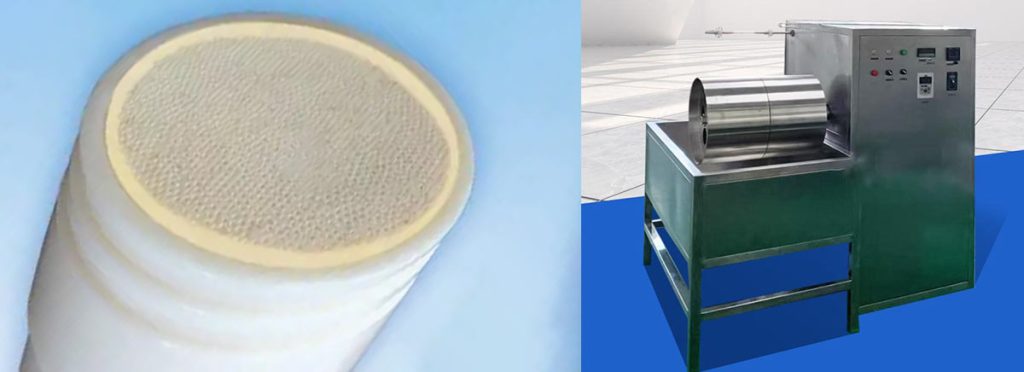
Hollow fibre membrane for water treatment is very important for clean water. The market is growing fast because of better filtration and more need for wastewater treatment. At first, designs were mainly for medical uses. New machines, like the hollow fiber spinning machine, have made quality and production better. Experts and researchers need to know what has changed, what matters now, and what will happen next to keep up in this changing field.
Key Takeaways
- Hollow fiber membranes were first used in medicine. Now, they are very important for cleaning water. They help make water safe to drink.
- New ways to make hollow fiber membranes use machines called hollow fiber spinning machines. These machines help make more membranes faster. They also make membranes better, which helps clean dirty water well.
- Hollow fiber membranes work well in many jobs. They are used in ultrafiltration and reverse osmosis. Cities and factories like to use them because they are very good.
- Fouling is a big problem for hollow fiber membranes. Good cleaning methods can help them last longer. Cleaning also keeps them working well.
- In the future, membrane technology will get better. It will help stop fouling and recover more resources. This will make water treatment safer for the planet.
Evolution of Hollow Fiber Membranes
Early Uses and Medical Origins
Hollow fiber membranes started in the 1960s. Doctors first used them to help patients. They were put in medical oxygenators for heart and lung support. Silicone membranes helped patients live longer. In the 1970s, hollow fibers were small tubes. These tubes separated blood and gas. This made it easier for oxygen to enter the blood. The design also lowered blood clotting problems. In medicine, hollow fiber membranes made pure water for drugs. By 1972, reverse osmosis membranes from cellulose acetate made water safe from bad substances. In 1974, new polyamide membranes made water safe for shots. These changes became official in the U.S. Pharmacopeia in 1975.
Transition to Water and Wastewater Treatment
Hollow fiber membrane technology grew past hospitals. New materials and designs made them good for water and wastewater treatment. The table below lists some big advances:
| Advancement Type | Description |
|---|---|
| Membrane Materials | New materials can handle strong chemicals and tough conditions. |
| Hollow Fiber Geometry | The shape of the fibers helps prevent clogging and makes cleaning easier. |
| Applications | More cities and factories use these membranes for wastewater and drinking water. |
Japanese companies helped a lot with this progress. Their work is shown in the table:
| Company | Contribution | Year/Period |
|---|---|---|
| Toray Industries | Made cellulose acetate membranes for dialysis. | Early 1960s |
| Asahi Kasei | Became a leader in membranes for dialysis machines. | 1980s |
| Mitsubishi Rayon | Improved membranes for water treatment using PVDF materials. | Recent years |
| Japanese Companies | Led new uses in water purification and membrane bioreactors. | 1980s onward |
Manufacturing Advances and the Hollow Fiber Spinning Machine
The hollow fiber spinning machine changed how membranes are made. Here are some main effects:
- Production rates went up, so more wastewater can be treated.
- Multi-spinneret systems and nonstop production made quality better.
- Real-time checks and automatic tests keep fiber size and quality the same.
- Some problems are still there, like keeping fiber properties the same as factories grow.
Hollow fiber membrane technology keeps changing how people clean water and treat wastewater.
Hollow Fibre Membrane for Water Treatment: Current Applications
Membrane Bioreactors (MBR) and Industrial Use
Hollow fibre membrane for water treatment is now a big part of modern membrane bioreactors. These systems mix biological treatment with membrane filtration. They help take out solids and bad things from wastewater. Many cities and factories use these membranes because they work well and are simple to take care of. The small size and large surface area make them great at removing germs and other harmful things.
Some common ways people use these in wastewater treatment are:
- Ultrafiltration (UF) for cleaning surface water and groundwater
- Forward osmosis (FO) and pressure retarded osmosis (PRO)
- Membrane distillation (MD) and membrane contactor (MC)
Hollow fibre membrane for water treatment now makes up about 55% of the world market. This is because they filter well and are easy to use in city and factory wastewater treatment. The table below shows how hollow fibre membranes compare to other types used in industry:
| Feature | Hollow Fiber | Spiral-Wound | Flat-Sheet |
|---|---|---|---|
| Surface Area | Very High | Medium | Low |
| Maintenance | Easy | Moderate | High |
| Scalability | Excellent | Limited | Moderate |
| Fouling Control | Strong | Moderate | Weak |
These facts show why hollow fibre membrane for water treatment is picked for big projects.
Reverse Osmosis Pretreatment
Reverse osmosis systems need clean water to work well. Hollow fibre membrane for water treatment is a strong step before reverse osmosis. It takes out bacteria, viruses, and solids before water goes into the reverse osmosis unit. This helps the system run well and stops damage.
Some main benefits of using hfms with pretreatment are:
- High flow rates of 80 to 100 liters per square meter per hour
- Water production rates of 80% to 90%
- Product water that meets strict rules (SDI ≤ 2)
Hollow fibre membrane for water treatment keeps water quality steady for reverse osmosis. It also helps stop membrane fouling, which is a big problem with old pretreatment ways. New material designs have made these membranes even better. For example, new composite hollow fiber membranes can block up to 98.1% of salt and let water pass through easily. These changes help reverse osmosis systems work better and last longer.
Resource Recovery and Versatility
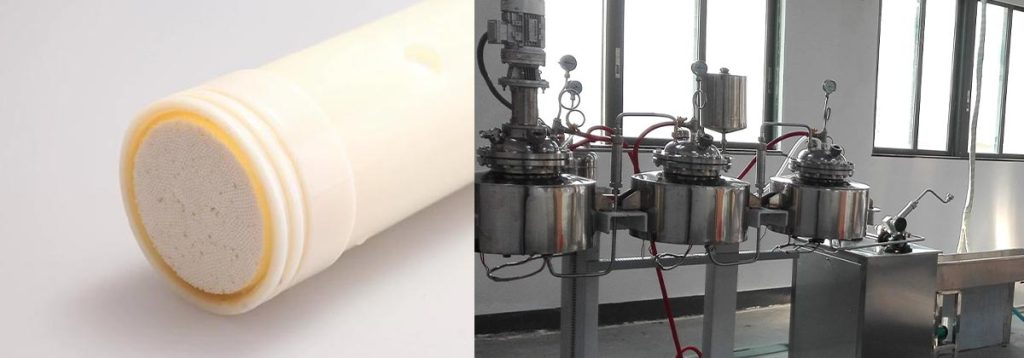
Hollow fibre membrane for water treatment does more than just clean water. It also helps get back useful things from wastewater. These membranes can pull out nutrients like phosphorus, nitrogen, and potassium. They also recover proteins, hydrocarbons, and volatile fatty acids. This makes them helpful in many wastewater treatment jobs.
The table below shows how hollow fibre membrane for water treatment works in different cases:
| Applications | Membrane Material | Technology | Feed Solution | Results |
|---|---|---|---|---|
| Municipal domestic wastewater | PP | HFMC | Synthetic human urine | Ammonia recovery efficiency 88.47%-90.90% |
| Domestic wastewaters | PVDF | UF | Domestic wastewaters | 60% cake removal |
| Oily wastewater | PVDF | UF | Oily wastewater | 70.48 L/m²·h flux, 99.7% oil removal |
| Radioactive wastewater | PP | MD | Simulated radioactive water | Removal efficiency >99.67% |
Hollow fibre membrane for water treatment supports many kinds of filtration, like microfiltration, ultrafiltration, nanofiltration, forward osmosis, and membrane distillation. It is used for city wastewater, factory recovery, oily water cleaning, and even radioactive waste removal. This makes it a top pick for many water treatment needs.
Note: Hollow fibre membrane for water treatment is becoming more important as new uses and technologies are made. Its job in resource recovery and advanced treatment will probably grow in the future.
Challenges in Hollow Fiber Membrane Applications
Fouling and Cleaning
Fouling is a big issue for hollow fiber membrane use. It happens when things build up on the membrane. There are four main types of fouling. Particulate fouling is when tiny bits block the pores and cover the surface. Inorganic fouling is when minerals and salts stick to the membrane and slow water flow. Organic fouling is when proteins and sugars from wastewater stick to the membrane. Biofouling is when tiny living things grow and make a sticky layer.
Cleaning is needed to keep the membrane working well. Some cleaning methods are listed in the table below:
| Cleaning Method | Description |
|---|---|
| Chemical Cleaning | Uses acids or bases to remove organic matter and scale. |
| Self-Cleaning Methods | Includes photocatalytic cleaning, enzymes, and osmotic backwashing. |
| Mechanical Enhancements | Uses pulsed flow to help clean the membrane. |
| Advanced Materials | Nanomaterials can make membranes resist fouling better. |
Operators also use backwashing, gas purging, and ultrasound to stop fouling. Good cleaning helps the membrane last longer and saves money.
Cost and Scalability
Cost is a big challenge for hollow fiber membrane systems. These systems need special buildings, pumps, and controls. The first cost is high. Running the system needs energy, chemicals, and trained workers. Problems with supplies can make parts hard to get and raise costs.
Scalability matters for big wastewater projects. Hollow fiber membrane technology is small and fits in tight spaces. It can be made bigger for cities or factories. As more people need clean water, more places use this technology for treatment and reuse.
Durability and Lifespan
Durability means how long the membrane works before it needs replacing. Strong membranes use braid supports to handle high pressure and not break. Fouling control is important too. If fouling is not managed, the membrane can clog and stop working well. Good pressure and cleaning help the membrane last longer.
In wastewater treatment, membranes face tough conditions. They must handle chemicals, solids, and changing water quality. New designs and materials help them last longer, but regular checks and cleaning are still needed.
Wastewater Treatment and Emerging Trends
New Materials and Surface Modifications
Scientists have made hollow fiber membranes better for wastewater treatment. They use new materials to help membranes last longer and work better. High-performance polymers now have special coatings. These coatings stop fouling and let water move through the membrane. They also keep out harmful things. The hollow fiber shape gives a big area for filtering. Tiny pores let water pass but block oil and other bad stuff.
| Material Type | Features and Innovations | Applications |
|---|---|---|
| High-performance polymers | Surface modifications (e.g., hydrophilic coatings) to reduce fouling | Nutrient recovery |
| Hollow fiber structure | Unique hollow, fiber-like structure with specific diameters for effective filtration | Desalination |
| Microscopic pores | Pores ranging from 0.01 μm to several μm for selective permeation of contaminants | Oily wastewater treatment |
Changing the surface helps membranes work better. Polyamide coatings and hydrophilic layers stop fouling and help water flow faster. These changes make hollow fiber membranes more useful for cleaning wastewater.
Hybrid and Advanced Systems
New system designs use hollow fiber membranes in smart ways. Many modules have thousands of fibers packed together. This gives a lot of filtering area in a small space. This technology helps factories and cities deal with changes in their water. Artificial intelligence is now used with these membrane modules. It helps make better choices for different water treatment needs.
- Membrane technology can handle changes in water at factories and cities.
- AI helps workers change settings for better results.
- Large surface area means small units can clean lots of water.
Hybrid systems mix hollow fiber membranes with other methods. This helps get back nutrients and organic matter. It also helps recover resources from wastewater.
Future Directions in Hollow Fiber Membranes
Hollow fiber membrane technology has a bright future. Scientists want to stop fouling and make membrane bioreactors better. More systems use hollow fiber membranes to get useful things from wastewater. They can turn wastewater into products like phosphorus, nitrogen, and potassium. New trends include desalination, forward osmosis, and cleaning oily wastewater. More people and more factories mean we need better ways to treat water. Membrane technology will be very important for future water treatment.
Tip: Hollow fiber membranes can help get rare earth elements and other resources from wastewater. This adds value and helps the environment.
Conclusion
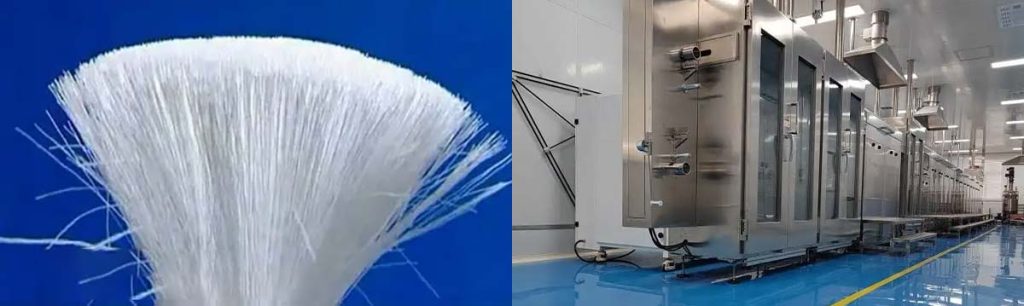
New ways to make hollow fiber membranes have changed water treatment. The table below lists important points:
| Key Takeaway | Description |
|---|---|
| Advancements in polymeric membranes | Progress in gas separation and water filtration. |
| Utilization of PVDF | Chemical stability and thermal resistance. |
| Mixed matrix membranes | Enhanced performance with polymer and inorganic materials. |
Better spinning machines help make membranes in a greener way. They also help with water recycling. Experts should pay attention to how long membranes last. They should also check if membranes can handle chemicals and are strong. These changes will help the world have clean water in the future.
FAQ
What Is a Hollow Fiber Membrane?
A hollow fiber membrane is a very thin tube. It is made from special materials. Water goes inside the tube. The membrane stops dirt, germs, and other bad things. Only clean water comes out of the tube.
How Do Hollow Fiber Membranes Help in Water Treatment?
Hollow fiber membranes take out solids, bacteria, and viruses. This makes water safer to drink and use again. Many cities and factories use them to clean wastewater.
Why Do Hollow Fiber Membranes Get Fouled?
Fouling happens when small bits, minerals, or tiny living things stick to the membrane. This makes it hard for water to pass through. The membrane does not work as well. Cleaning often helps stop fouling.
What Are the Main Benefits of Using Hollow Fiber Membranes?
- They have a lot of space for filtering
- They are easy to take care of
- They can be used for big projects hollow fiber membranes are used in many water treatment systems because they work well.