


The global hollow fiber filtration market shows remarkable expansion and increasing relevance across multiple industries.
- Market size reached USD 689.4 million in 2023, up from USD 303 million in 2021.
- Forecasts indicate growth to USD 1,369.75 million by 2032, with a CAGR of 14.7%.
- Key drivers include advancements in membrane technology, rising demand in the pharmaceutical and biotechnology sectors, and the need for clean water solutions.
Technological innovations such as AI and automation improve efficiency, while regulatory changes push industries to adopt advanced filtration methods.
Key Takeaways
- The global hollow fiber filtration market is rapidly growing, projected to reach USD 1,369.75 million by 2032, driven by advancements in technology and increasing demand for clean water.
- Sustainability is a key focus, with manufacturers adopting practices that reduce waste and energy use, supporting environmental goals and regulatory compliance.
- Technological innovations, such as smart filtration solutions and continuous manufacturing, enhance efficiency and productivity in water treatment processes.
- North America leads the market, with the U.S. accounting for a significant share, while the Asia-Pacific region shows the fastest growth due to rising healthcare investments.
- Companies that prioritize research and development can capture new opportunities in water management and bioprocessing, ensuring they meet evolving industry needs.
Global Hollow Fiber Filtration Market Overview
Market Size and Growth
The global hollow fiber filtration market continues to expand at a rapid pace. In 2023, the market reached $689.4 million, and projections show it will climb to $1,369.75 million by 2032. This represents a compound annual growth rate (CAGR) of 14.7%. The market structure reflects a diverse segmentation, which supports its broad application across industries.
Market Segmentation Table
| Segment | Details |
|---|---|
| Material | Polymeric, PS/PES, Polyvinylidene fluoride (PVDF), Other polymeric materials, Ceramic |
| Application | Continuous Cell Perfusion, Harvest and Clarification, Concentration and Diafiltration |
| Technique | Microfiltration, Ultrafiltration |
| End-Users | Pharmaceutical and Biotechnology Manufacturers, Contract Research and Manufacturing Organizations, R&D Departments, Others |
The market’s expansion is driven by the rising demand for water purification and clean water treatment solutions. Industries rely on hollow fiber filtration for water management, conservation, and advanced purification processes. The technology’s versatility allows it to serve pharmaceutical, biotechnology, and environmental sectors, supporting both water and bioprocessing needs.
Regional Highlights
North America leads the global hollow fiber filtration market, with the United States accounting for 36.4% of the total market in 2023. The U.S. maintains its dominance through advanced healthcare infrastructure and significant investments in research and development. Canada shows strong growth potential, projected to reach $57.1 million by 2030.
- The U.S. accounted for 36.4% of the global hollow fiber filtration market in 2023.
- The U.S. is expected to lead the global market in terms of revenue by 2030.
- Canada is projected to be the fastest growing regional market in North America, reaching USD 57.1 million by 2030.
Europe follows closely, with Germany and the UK leading in research and regulatory support for technological advancements. The Asia-Pacific region emerges as the fastest-growing area, fueled by increased healthcare investments and a booming biopharmaceutical sector. China and India play key roles, focusing on advanced water management and filtration technologies to meet the growing demand for clean water and conservation. This regional diversity highlights the global nature of the market and its critical role in water purification and industrial applications.
Trends
Technology Advances
Recent technology advances are shaping the global hollow fiber filtration market. Manufacturers have developed new membrane materials and module designs that improve selectivity and permeability. These innovations help address challenges such as fouling and concentration polarization. Modern systems now offer better efficiency and productivity, which supports the demand for high-quality water in both industrial and municipal settings.
Continuous manufacturing has become a major trend. Companies use single-use hollow fiber tangential flow filtration systems for seamless perfusion technology in biomanufacturing. This approach reduces facility size and capital investment. The integration of smart filtration solutions, including IoT and real-time monitoring, allows operators to optimize water purification processes and respond quickly to changes.
Note: Advances in membrane-based filters and membrane bioreactors (MBRs) improve effluent water quality and tackle both traditional and emerging pollutants.
| Recent Advances in Hollow Fiber Filtration Systems | Description |
|---|---|
| Nutrient Recovery | Progress in recovering phosphorus, nitrogen, and potassium from wastewater. |
| Desalination | Use of hollow fiber membranes for salt removal from water. |
| Forward Osmosis | Application in forward osmosis processes for water treatment. |
| Oily Wastewater Treatment | Innovations in treating oily wastewater using hollow fiber membranes. |
| Challenges | Membrane fouling, high operational costs, and scalability remain issues. |
| Future Research | Focus on integrating hollow fiber membranes with pretreatment technologies and developing novel materials. |
The global hollow fiber filtration market benefits from these trends, which support water conservation and reuse, sustainable water use, and improved wastewater management.
Hollow Fiber Spinning Machine
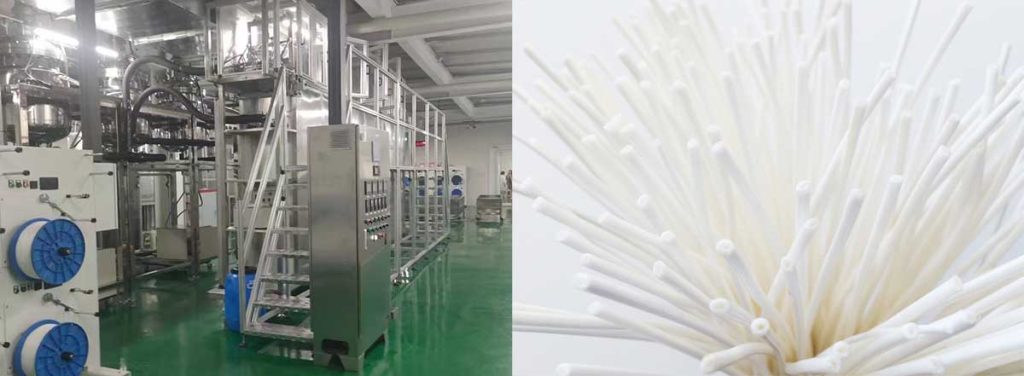
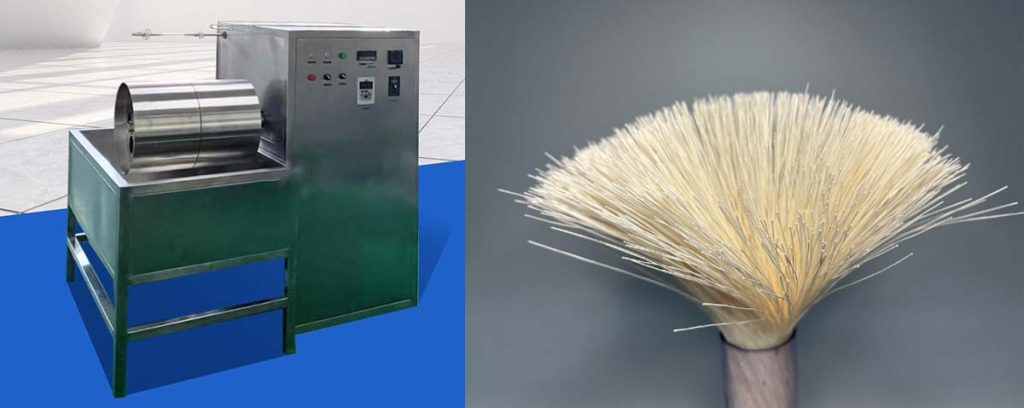
The hollow fiber spinning machine plays a vital role in the global hollow fiber filtration market. Manufacturers rely on these machines for high-volume, low-cost production of membranes. Automation and precision ensure consistent quality and scalability from laboratory research to industrial wastewater treatment. Modern machines feature computer control, real-time monitoring, and multi-layer spinning capabilities. These features enhance productivity, reduce costs, and minimize material waste.
| Innovation Type | Description |
|---|---|
| Material Science Advancements | Efficient and durable hollow fiber membranes using advanced polymeric and ceramic materials. |
| Automation Technologies | Automated spinning processes that improve efficiency and lower operational costs. |
| High-Performance Membranes | Superior filtration efficiency and chemical resistance for water treatment applications. |
| Spinning Techniques | Enhanced performance and broader application scope for hollow fiber membrane spinning machine. |
| Membrane Design | New designs that improve operational efficiency and reduce costs, increasing adoption. |
The ability to replicate research outcomes in large volumes without compromising quality gives companies a competitive edge. These trends drive growth and support the increasing demand for clean water treatment solutions.
Sustainability
Sustainability initiatives influence the global hollow fiber filtration market. Manufacturers focus on reducing membrane waste, creating recyclable materials, and lowering chemical usage in filtration processes. Water reuse programs and zero-liquid discharge systems use hollow fiber ultrafiltration to reduce environmental impacts.
Common sustainable practices include:
- Designing membranes to reduce water waste
- Lowering energy requirements for filtration processes
- Achieving cost savings through sustainable methods
- Advancing membrane technology for eco-friendly and energy-efficient systems
- Integrating IoT for real-time monitoring
These trends support water conservation and reuse, helping industries meet environmental goals and regulatory requirements. Sustainable water use remains a priority for companies seeking to minimize their footprint and ensure access to high-quality water.
Regulatory Impact
Regulatory changes shape the global hollow fiber filtration market by enforcing stricter water quality and pharmaceutical safety standards. Suppliers and end users adapt quickly to meet these requirements. There is a growing demand for hollow fiber modules that deliver ultrafiltration performance.
In North America and Europe, authorities focus on trace-level contaminant removal and validation protocols. Stricter discharge limits from environmental agencies require advanced filtration technologies. Germany’s environmental policies align with EU regulations, prioritizing water reuse and pollutant removal. Companies upgrade their filtration systems to comply with these standards.
The U.S. regulatory landscape emphasizes biocompatibility, safety, and efficacy for hollow fiber dialysis filters. Companies must adopt comprehensive compliance strategies and engage with regulatory bodies to navigate evolving requirements. These trends drive innovation in materials and designs, ensuring the market continues to grow and meet global needs for water management and purification.
Competitive Landscape
Major Players
The global hollow fiber filtration market features a diverse group of leading companies. These organizations drive innovation and set industry standards. They contribute to the market’s rapid growth and help shape the future of water treatment and bioprocessing technologies.
- Repligen Corporation (U.S.)
- Danaher (U.S.)
- Asahi Kasei Corporation (Japan)
- Parker-Hannifin Corp (U.S.)
- Sartorius Stedim Biotech S.A (France)
- TOYOBO CO., LTD (Japan)
- Cantel Medical (U.S.)
- Kuraray Co., Ltd. (Japan)
- Koch Industries Inc. (U.S.)
- MANN+HUMMEL Holding GmbH (Germany)
- CoorsTek, Inc. (U.S.)
- Alpha Plan GmbH (Germany)
- Antylia Scientific (Germany)
- Meissner Filtration Product, Inc (U.S.)
- MMS Membrane System (Switzerland)
- BiOZEEN Pvt. Ltd. (India)
- Biotree (India)
- APAH technologies (India)
These companies compete by introducing advanced filtration systems and expanding their portfolios. They focus on product quality and efficient customer service. The market remains highly competitive, with each player striving to meet evolving customer needs.
Strategies
Major companies in the hollow fiber filtration market use several strategies to maintain their competitive edge. They invest heavily in research and development to create innovative filtration technologies. Many optimize their product lines to address a wide range of applications, including water purification and bioprocessing.
Strategic collaborations, partnerships, and acquisitions play a crucial role in driving innovation and expanding geographic reach. These alliances help companies enhance their technological capabilities and improve their market position.
Firms also prioritize the development of high-performance filtration systems to boost productivity and efficiency. They manage key accounts carefully to strengthen customer relationships. Continuous product launches allow them to keep pace with market demands and support ongoing growth.
Companies expand into new modalities, especially in water treatment, to capture emerging opportunities. Partnerships between technology developers and filtration system providers enable the integration of advanced solutions. This approach supports the market’s dynamic nature and ensures that the industry can respond quickly to global challenges.
Forecasts and Future Outlook
Market Drivers
The market outlook for hollow fiber filtration and hollow fiber ultrafiltration remains strong. Industry forecasts show significant expansion in the coming years.
- The hollow fiber ultrafiltration market is projected to grow from USD 2.98 billion in 2025 to USD 5.90 billion by 2030, with a CAGR of 14.52%.
- The hollow fiber filtration market is expected to increase from USD 303 million in 2021 to USD 693.26 million by 2029, reflecting a CAGR of 10.90%.
Several main drivers support this growth:
- Increasing demand for clean water across industrial and municipal sectors
- Greater awareness of waterborne diseases
- Stringent government regulations that require advanced water treatment solutions
- Ongoing technological advancements in membrane design and manufacturing
- Rising sustainability trends that encourage efficient water management
These factors shape the global market and push companies to innovate. The need for reliable water purification and improved water quality continues to rise. As a result, the market outlook remains positive.
Opportunities
The market outlook highlights several emerging opportunities. Biopharmaceutical companies seek advanced filtration systems to boost productivity and reduce costs. New hollow fiber nano-filtration membranes, which feature polyamide-free dense separation layers, meet strict GMP and FDA standards. This innovation supports compliance and enhances product safety.
Water treatment solutions that use hollow fiber technology address the growing demand for sustainable water use. Industries invest in systems that recover and reuse water, reducing environmental impact. The global market benefits from these trends, as companies look for ways to improve efficiency and meet regulatory requirements.
Companies that focus on research and development can capture new opportunities in water management and bioprocessing. The market outlook suggests continued growth as industries prioritize clean water and advanced filtration technologies.
Hollow Fiber Ultrafiltration Market
Market Position
The hollow fiber ultrafiltration market holds a strong position in the global water treatment industry. Many industries choose this technology for its efficiency and reliability.
- The hollow fiber ultrafiltration market is projected to grow from USD 2.39 billion in 2025 to USD 4.85 billion by 2030, showing a CAGR of 15.2%.
- Municipal water treatment plants prefer hollow fiber ultrafiltration systems because they remove contaminants and meet strict regulatory standards.
- These systems can eliminate bacteria, viruses, and suspended solids, making water safe for drinking.
- Compact design allows a large membrane area within a small module, saving space and increasing efficiency.
- Operators value these systems for their high efficiency, low operating costs, and ability to function without chemicals.
This technology continues to gain popularity as cities and industries seek reliable solutions for clean water.
Growth Factors
Several factors drive the rapid expansion of the hollow fiber ultrafiltration market. The following table highlights the main contributors:
| Factor | Description |
|---|---|
| Clean Water Awareness | More people understand the importance of clean water, increasing demand for better solutions. |
| Wastewater Treatment Demand | Industries and cities need effective ways to treat wastewater. |
| Water Shortages | Many regions face water shortages, so advanced filtration becomes essential. |
| Sector Applications | Food, beverage, pharmaceutical, and municipal sectors use these systems more often. |
| Environmental Concerns | People care more about the environment and sustainability, shaping market trends. |
| Population Growth | Growing populations and industries require more water treatment solutions. |
| Freshwater Scarcity | Some countries have little freshwater, so they need efficient water recycling technologies. |
The hollow fiber ultrafiltration market responds to these needs by offering advanced water purification systems. Companies continue to innovate, making water treatment more accessible and effective for communities worldwide.
Conclusion
The global hollow fiber filtration market shows strong growth, driven by technology advances, sustainability efforts, and regulatory changes.
- Major players invest in research and development to improve efficiency and meet rising demand.
- Opportunities exist in water treatment and bioprocessing, especially for companies focused on innovation.
Industry stakeholders should monitor emerging trends and invest in advanced filtration solutions. Ongoing innovation will shape the future of water management and purification worldwide.
FAQ
What Is Hollow Fiber Filtration?
Hollow fiber filtration system uses thin, tube-like membranes to separate particles from liquids. Industries use this method to purify water, process pharmaceuticals, and treat wastewater. The design allows for efficient filtration and high surface area in a compact space.
How Does Hollow Fiber Ultrafiltration Differ from Microfiltration?
Ultrafiltration removes smaller particles, such as viruses and proteins, while microfiltration targets larger particles like bacteria and suspended solids. Both use hollow fiber membranes, but ultrafiltration offers finer separation for more demanding applications.
Which Industries Use Hollow Fiber Filtration Most?
Pharmaceutical, biotechnology, food and beverage, and municipal water treatment industries rely on hollow fiber filtration. These sectors need clean water, sterile solutions, and efficient waste management. The technology supports both large-scale and specialized processes.
What Are the Main Benefits of Hollow Fiber Filtration?
Hollow fiber filtration provides high efficiency, low energy use, and compact design. Operators can achieve reliable contaminant removal and easy system maintenance. The technology supports both continuous and batch processing.
What Challenges Do Companies Face with Hollow Fiber Filtration?
Companies often face membrane fouling, high operational costs, and the need for regular maintenance. They must also keep up with changing regulations and invest in new technologies to stay competitive.