


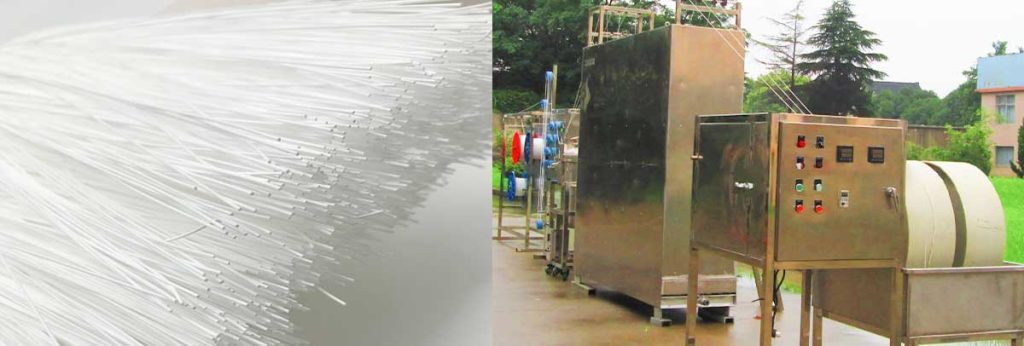
Innovations in filtration technology have transformed the landscape for hollow fiber manufacturers. Recent advances in hollow fiber spinning machine allow hollow fiber manufacturers to achieve precise control over fiber diameter and flow rates, leading to better membrane performance. The global hollow fiber filtration market reached USD 783.9 million in 2024 and will grow to USD 2,697.9 million by 2033, with a CAGR of 14.82%. Hollow fiber manufacturers benefit from rising demand for efficient filtration solutions and stricter regulatory standards. Automation and energy-efficient production methods help hollow fiber manufacturers reduce costs and improve quality. As competition intensifies, hollow fiber manufacturers must prioritize innovation to remain leaders in filtration.
- Market size highlights:
- USD 783.9 million in 2024
- Projected USD 2,697.9 million by 2033
- CAGR of 14.82% (2025–2033)
Key Takeaways
- Hollow fiber filtration market is projected to grow from USD 783.9 million in 2024 to USD 2,697.9 million by 2033, driven by demand for clean water and advanced technologies.
- Investing in advanced hollow fiber spinning machine enhances production efficiency and product quality, allowing manufacturers to meet rising filtration demands.
- Automation in production processes reduces costs and improves consistency, making it essential for manufacturers to stay competitive in the hollow fiber filtration market.
- Innovative membrane materials, such as thermally rearranged polymers and self-healing membranes, enhance durability and filtration performance, meeting stricter regulatory standards.
- Sustainability initiatives, including green manufacturing practices, are crucial for manufacturers to improve brand reputation and align with environmental goals.
Hollow Fiber Filtration Market Overview
Market Size and Growth
The hollow fiber filtration market continues to expand rapidly. Companies in the hollow fiber membrane market observe strong demand for advanced filtration solutions. The global hollow fiber filtration market shows robust growth, driven by the need for clean water and improved biotechnology processes. The hollow fiber membrane market is projected to grow from $12.08 billion in 2024 to $13.31 billion in 2025, with a CAGR of 10.1%. By 2029, the market size will reach $19.21 billion, reflecting a CAGR of 9.6%. Growth factors include rising global water scarcity and technological advancements in filtration. The hollow fiber filtration market benefits from these trends, as manufacturers invest in new production methods and materials.
- The hollow fiber membrane market will reach $13.31 billion in 2025.
- By 2029, the market size will be $19.21 billion.
- The CAGR for the hollow fiber membrane market is 9.6% through 2029.
- Demand for clean water and biotechnology drives market growth.
The global hollow fiber filtration market responds to these trends by developing innovative products and expanding production capacity. Companies in the hollow fiber filtration market focus on meeting the needs of diverse industries, including water treatment and pharmaceuticals.
Regional Trends and Investments
Regional trends shape the future of the hollow fiber filtration market. Europe and Qatar lead in investments, supporting the hollow fiber membrane market with strong regulatory frameworks and infrastructure upgrades. Asia Pacific shows rapid growth, fueled by government initiatives and expanding biomanufacturing corridors. Latin America and the Middle East invest in biotechnology parks and academic centers, introducing new purification laboratories.
| Region | Growth Drivers | Investment Trends |
|---|---|---|
| Asia Pacific | Expanding biologics manufacturing corridors and government-supported initiatives | Establishment of contract manufacturing clusters and large-scale biopharmaceutical facilities in China |
| Europe | Supported by regulatory frameworks | Biotech clusters applying hollow fiber modules in various applications, contributing to steady growth |
| Latin America | Gradual development through educational and governmental support | Federally supported biotechnology programs enhancing hands-on capability in microbial fermentation |
| Middle East and Africa | Targeted procurement strategies for membrane filtration consumables | Investment in biotechnology parks and academic centers introducing dedicated purification laboratories |
The global hollow fiber filtration market adapts to these trends by investing in research and development. Companies in the hollow fiber filtration market monitor emerging trends in the global hollow fiber filtration market to stay competitive. The hollow fiber filtration market continues to evolve, with manufacturers responding to regional trends and market demands. The hollow fiber membrane market remains a key driver of innovation in filtration.
Innovation Among Hollow Fiber Manufacturers
Advances in Spinning Machine Technology
Hollow fiber manufacturers rely on advanced technology to improve efficiency and product quality in the global hollow fiber filtration market. The hollow fiber membrane spinning machine stands out as a key driver of innovation. Modern spinning machines use real-time monitoring to track viscosity, temperature, and pressure during production. This technology allows manufacturers to maintain consistent fiber diameter and surface quality, which is essential for high-performance filtration.
| Advancement Type | Description |
|---|---|
| Real-time monitoring | Monitoring of viscosity, temperature, and pressure. |
| Predictive maintenance | Reduces downtime through proactive maintenance. |
| Automated quality inspection | Ensures fiber diameter and surface defects are checked. |
| Eco-friendly solvent recovery | Minimizes environmental impact during production. |
Manufacturers in the hollow fiber filtration market benefit from predictive maintenance, which reduces downtime and keeps production lines running smoothly. Automated quality inspection ensures that every membrane meets strict standards for diameter and surface integrity. Eco-friendly solvent recovery systems help companies reduce their environmental footprint, supporting sustainability goals in the global hollow fiber filtration market.
New spinning machine models, such as the Rieter G 32, Saurer ACOT, and Muratec Smart Yarn, offer significant improvements in efficiency and energy consumption. For example, the Rieter G 32 increases efficiency by 15%, while the Saurer ACOT and Muratec Smart Yarn reduce energy consumption by 25%. Rotor spinning machines also deliver high efficiency and energy savings, outperforming traditional machines. These advances in hollow fiber spinning machine technology align with the industry’s shift toward sustainability and improved output quality.
- Modern spinning technologies can boost production efficiency by up to 30%.
- Automation capabilities reduce manual intervention, leading to fewer errors and faster production rates.
- Energy-efficient machines can lower energy consumption by up to 40%.
The global hollow fiber filtration market continues to adopt these technologies to meet rising demand for high-quality filtration solutions.
New Membrane Materials
Material innovation plays a crucial role in the hollow fiber filtration market. Over the past three years, manufacturers have introduced several new membrane materials that enhance filtration performance and durability. These advances support the growth of hollow fiber membrane technology and ultrafiltration technology.
- Thermally rearranged polymers increase resistance to compaction, making membranes more durable.
- Mixed matrix membranes with inorganic fillers improve selectivity retention and durability.
- Self-healing membrane materials adapt to maintain performance, even after minor damage.
- Hybrid organic-inorganic architectures offer new possibilities for filtration applications.
Natural materials like kaolin and clays are being explored for their hydrophilic properties, which help reduce oil fouling in filtration processes. Manufacturers focus on affordable alternatives that maintain or improve performance compared to traditional ceramic membranes. Advanced materials such as graphene oxide and hypercrosslinked polymers achieve over 90% rejection rates for micro-pollutants, surpassing the 70-80% efficiency of conventional membranes. Membranes with nanofibers provide up to 50% better filtration performance and reduce fouling rates, leading to lower operational costs and improved longevity.
Tip: The use of advanced membrane materials allows manufacturers in the global hollow fiber filtration market to deliver solutions that meet stricter regulatory standards and customer expectations.
Automation in Production
Automation has transformed production processes in the hollow fiber filtration market. Manufacturers now use fully automated high-output spinning lines, moving away from manual methods. Real-time monitoring and mechanical stability have become essential, especially in specialized gas and medical separation techniques. Innovations in automation focus on reducing polymer waste and optimizing energy use, supporting global sustainability goals.
- Automated fabrication improves consistency in production.
- Lower labor expenses result from reduced manual intervention.
- Technology adapts to various polymers, enhancing scalability for both large-scale and research production.
- The trend toward automation and digitalization increases production efficiency and reduces labor costs.
The global hollow fiber filtration market benefits from automation by achieving higher output, better quality control, and lower costs. Automation also supports the expansion of hollow fiber filtration into new application areas, such as water treatment, food and beverage, and pharmaceuticals. As manufacturers continue to invest in automation, the hollow fiber filtration market will see further improvements in scalability and sustainability.
Note: Automation and digitalization are essential for manufacturers seeking to remain competitive in the global hollow fiber filtration market.
Filtration Applications Expanding
Water and Wastewater Treatment

Hollow fiber filtration shows remarkable versatility in the water and wastewater treatment sector. Microfiltration and ultrafiltration technologies use hollow fiber membranes to remove suspended solids, bacteria, and viruses from water. These processes serve as essential pretreatment steps before reverse osmosis, enhancing contaminant removal and reducing fouling. Urban wastewater facilities rely on hollow fiber filtration to meet stricter regulations and address water pollution. The global hollow fiber filtration market supports efficient water treatment by providing compact, high-surface-area membranes for point-of-use filters. Municipalities and industries adopt hollow fiber filtration to secure sustainable water supplies and improve purification standards. The hollow fiber filtration market continues to expand as demand for advanced water treatment solutions rises.
Food & Beverage Industry
The food and beverage industry depends on hollow fiber filtration to maintain product quality and safety. Microfiltration and ultrafiltration remove impurities and microorganisms from juices and dairy products, preserving natural flavor and nutritional value. Companies such as Nestlé and Coca-Cola use hollow fiber filtration to clarify liquids, extend shelf life, and ensure consistency in taste and appearance. The global hollow fiber filtration market supports environmentally sustainable practices by reducing energy costs and minimizing by-product generation. Hollow fiber filtration helps producers comply with safety standards and meet consumer expectations for purity. The market for hollow fiber filtration in food and beverage applications grows as stricter regulations drive adoption.
Pharmaceutical and Biotech Uses
Pharmaceutical and biotechnology companies leverage hollow fiber filtration for process optimization and regulatory compliance. Microfiltration and ultrafiltration play key roles in purification and downstream processing, removing contaminants and viruses while allowing drug substances to pass through. The global hollow fiber filtration market enables scalability in bioprocesses, adapting to increased therapeutic modalities. Pharmaceutical manufacturers use hollow fiber filtration in upstream perfusion-based cell culture to enhance product recovery and reduce load times. Biotechnology firms rely on hollow fiber filtration for efficient purification and virus clearance. The hollow fiber filtration market supports pharmaceutical and biotechnology companies as they respond to rising demand for biologics and vaccines.
Regulatory and Sustainability Drivers
Environmental Standards
Stricter environmental standards shape the hollow fiber filtration market in Europe and other regions. Regulatory frameworks encourage investment in advanced filtration technologies. Governments promote sustainability by incentivizing eco-friendly systems that minimize chemical use and energy consumption. The global hollow fiber filtration market responds to these pressures by developing solutions that meet water quality requirements and environmental goals.
- Supportive regulations drive investment in the European membrane sector.
- Sustainability becomes a central focus in filtration technology development.
- Public and private sector collaborations foster innovation in membrane technology.
- Regulatory pressures for water quality and environmental sustainability require advanced filtration solutions.
The hollow fiber filtration market benefits from rising adoption of water reuse and recycling initiatives. Compliance with regulations such as the EPA’s Safe Drinking Water Act increases demand for membrane technologies. Manufacturers innovate to create energy-efficient filtration systems that align with environmental standards. The global hollow fiber filtration market continues to grow as companies adapt to stricter regulations and sustainability targets.
Note: Regulatory pressures encourage manufacturers to improve membrane performance, reduce costs, and enhance feasibility for large-scale deployment.
Green Manufacturing Initiatives
Sustainability drives innovation in the hollow fiber filtration market. Companies adopt green manufacturing practices to reduce their impact on the environment. Toray Industries developed a high-precision hollow fiber membrane module using nano-pore structural control technology. This module lowers CO₂ emissions and manufacturing costs while handling challenging liquids and high temperatures. The shift from traditional thermal methods to membrane-based processes supports environmental goals.
Manufacturers in the global hollow fiber filtration market focus on recycled polyester hollow fibers and energy-efficient production. These practices improve competitiveness and brand reputation. Consumers prefer eco-friendly products, which boosts trust and loyalty. The hollow fiber filtration market expands as sustainability becomes a key factor in purchasing decisions.
- Green manufacturing initiatives reduce environmental impact.
- Recycled materials and energy-efficient processes support market growth.
- Sustainability practices enhance brand reputation and competitiveness.
The global hollow fiber filtration market evolves as companies prioritize sustainability and regulatory compliance. Water filtration technologies continue to advance, meeting the needs of diverse industries and supporting environmental protection.
R&D and Product Trends in Hollow Fiber Membrane Market
Recent Product Launches
Manufacturers in the hollow fiber filtration market have introduced several notable products in the past two years. These launches reflect the ongoing commitment to innovation and quality in the global hollow fiber filtration market. Companies continue to develop new solutions that address the evolving needs of water and filtration applications. Some of the most significant product launches include:
- C-Mem: This product features small modules in discrete housing, offering flexibility for water and filtration systems.
- Membion: Similar to C-Mem, Membion utilizes compact modules and housing designs, supporting efficient water purification and filtration processes.
These products demonstrate how the hollow fiber filtration market responds to demand for advanced water treatment and filtration solutions. The global hollow fiber filtration market benefits from these innovations, which improve scalability and reliability.
Collaborative Research
Collaboration drives progress in the hollow fiber filtration market. Companies and research institutions form partnerships to accelerate development and commercialization of new filtration technologies. Strategic alliances enhance technological capabilities and expand market presence. Researchers focus on improving membrane performance, reducing fouling, and optimizing module designs for water and filtration applications. The global hollow fiber filtration market relies on these partnerships to maintain competitiveness and meet regulatory standards.
| Partnership Type | Impact on Filtration Market |
|---|---|
| Industry-Academic | Advances membrane durability and efficiency |
| Strategic Alliances | Boosts technology and supply chain reliability |
| Cross-Sector Initiatives | Expands water and filtration applications |
Collaborative research ensures that the hollow fiber filtration market continues to evolve and adapt to new challenges in water and filtration.
Future Innovation Directions
Future innovation in the hollow fiber filtration market will focus on enhancing membrane durability and minimizing fouling. Manufacturers aim to improve module designs for faster scaling and better performance in water and filtration systems. Digital monitoring and real-time performance metrics will transform operational efficiency and predictive maintenance. The global hollow fiber filtration market expects new applications in single-use bioprocessing and point-of-use water purification. Stricter regulations and sustainability goals drive these advancements.
The market is experiencing significant trends such as digitalization and AI integration. These changes reshape competitive dynamics in the hollow fiber filtration market. Companies shift from price-based competition to innovation, technology, and supply chain reliability. The global hollow fiber filtration market will rely on these factors for future differentiation and growth.
Tip: Digitalization and emerging applications will play a key role in shaping the future of the hollow fiber filtration market, especially in water and advanced filtration sectors.
Conclusion
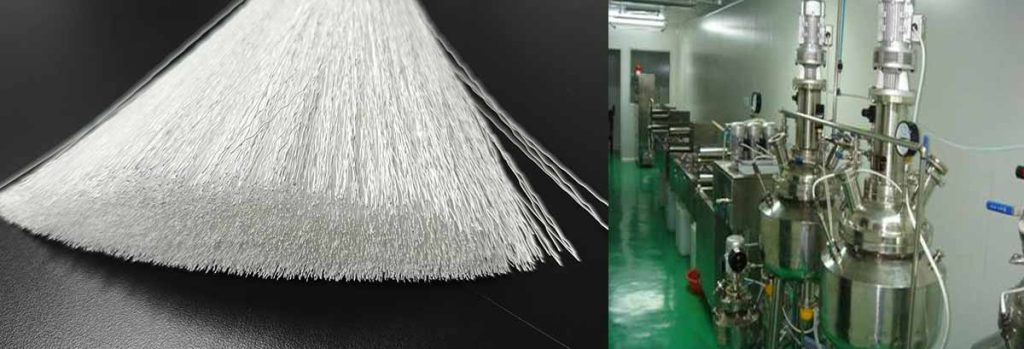
Ongoing innovation in the hollow fiber filtration market drives growth and competitiveness. Manufacturers invest in hollow fiber spinning machine, new materials, and expanded applications to meet rising water and filtration demands. The global hollow fiber filtration market benefits from escalating R&D activity, lightweight and eco-friendly fibers, and scalable production. Companies adapt to regulatory and sustainability trends, focusing on efficiency and cost reduction. Automation and digitalization enhance real-time monitoring and predictive maintenance, improving operational efficiency. Future opportunities in water treatment, biopharmaceuticals, and smart monitoring will shape the global hollow fiber filtration market as filtration needs evolve.
- Key innovation takeaways:
- Innovation fosters efficiency and differentiation in the hollow fiber filtration market.
- Continuous R&D cycles maintain relevance in the global hollow fiber filtration market.
- Automation and digitalization support consistent quality and competitiveness.
| Opportunity Area | Description |
|---|---|
| Water Treatment | Rising demand for hollow fiber filtration in water treatment due to scarcity and regulations. |
| Biopharmaceuticals and Healthcare | Growth in hollow fiber filtration for critical healthcare and drug development applications. |
| Automation and Smart Monitoring | Integration of smart technologies creates new market opportunities in filtration. |
The global hollow fiber filtration market will continue to expand as manufacturers embrace innovation and adapt to changing filtration and water requirements.
FAQ
What Are Hollow Fiber Membranes Used For?
Hollow fiber membranes help remove contaminants from water. They support filtration in industries such as food, beverage, and pharmaceuticals. These membranes also play a role in wastewater treatment and bioprocessing.
How Do Hollow Fiber Filtration Systems Improve Water Quality?
Hollow fiber filtration systems trap bacteria and viruses. They provide clean water for drinking and industrial use. Many facilities rely on these systems to meet strict water safety standards.
What Innovations Are Most Important in Filtration Technology?
Manufacturers focus on advanced spinning machines and new membrane materials. Automation increases production efficiency. These innovations help improve filtration performance and support sustainable water management.
Why Is Automation Important for Hollow Fiber Filtration Production?
Automation reduces errors and increases output. It helps manufacturers maintain consistent quality in filtration products. Automated systems also lower costs and support large-scale water treatment projects.
How Do Regulations Affect the Filtration Industry?
Regulations require companies to meet high water purity standards. They encourage the adoption of advanced filtration technologies. Manufacturers respond by developing solutions that comply with environmental and safety rules.