


To clean and backwash a hollow fiber filtration system, users must remove accumulated particles and restore flow. Cleaning frequency plays a critical role in system performance. Most manufacturers suggest maintenance cleaning every 1–2 weeks, with mandatory cleaning every 6–12 months, as shown below:
| Cleaning Type | Recommended Frequency |
|---|---|
| Maintenance | Every 1–2 weeks |
| Mandatory | Every 6–12 months |
Compared to other membrane technologies, hollow fiber filtration system requires more frequent cleaning:
| Filtration Technology | Cleaning Frequency |
|---|---|
| Hollow Fiber Filtration | Every 1–2 weeks for maintenance; chemical cleaning every 6–12 months |
| Other Membrane Technologies | Less frequent cleaning cycles |
Physical cleaning methods, such as backwashing and relaxation, remove surface debris. Chemical cleaning targets deeper fouling. Selecting compatible cleaning agents protects both the membranes and hardware. Manufacturers’ guidelines help users verify that cleaning restores system performance.
Key Takeaways
- Regular maintenance cleaning every 1-2 weeks is essential for optimal performance of hollow fiber filtration system.
- Backflushing and backwashing are two key cleaning methods; backflushing is for loose fouling, while backwashing targets deeper fouling.
- Choosing compatible cleaning agents is crucial; incompatible chemicals can damage membranes and reduce system lifespan.
- Monitoring key performance indicators like transmembrane pressure and flux helps ensure effective cleaning and system efficiency.
- Implementing preventive maintenance strategies can extend system life and improve operational efficiency.
Hollow Fiber Filtration System & Fouling
How the System Works?
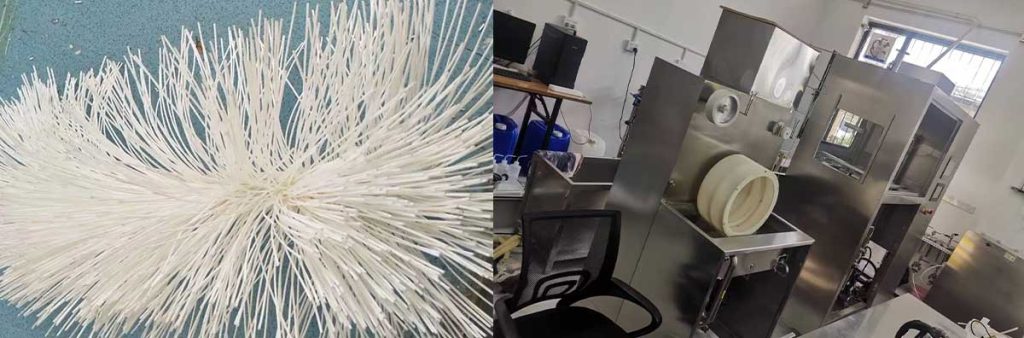
A hollow fiber filtration system uses a bundle of thin, straw-like fibers to separate contaminants from water or other liquids. Each hollow fiber membrane module contains multiple fibers made from advanced materials such as modified polyethersulfone (mPES). These fibers act as selective barriers, allowing clean water to pass through while retaining unwanted substances. The system includes several key components:
| Component | Description |
|---|---|
| Hollow fiber membrane | Core part composed of multiple hollow fiber membranes made of mPES material for substance separation. |
| Housing | Corrosion-resistant transparent polysulfone material protecting internal fibers. |
| Feed/retentate port | Guides fluid in and out of the fiber column, made of white polysulfone. |
| Permeate port | Where the filtered liquid exits, located on the side of the column. |
| End caps | Close both ends of the fiber bundle to ensure fluid passes only through the hollow fiber. |
| Internal seals | Provide support and isolate feed and permeate flow channels, made of polyurethane/epoxy resin. |
| O-rings/seals | Ensure no fluid leakage and maintain system integrity, made of silicone. |
The filtration process starts when feed water enters the module through the feed port. As water flows through the hollow fibers, the membrane traps particles, microorganisms, and other contaminants. Clean water exits through the permeate port, while retained substances remain on the membrane surface.
Common Fouling Issues
Fouling presents a major challenge for every hollow fiber filtration system. The accumulation of contaminants on the membrane surface or within its pores reduces system performance. Several types of fouling can occur:
- Organic fouling results from natural organic matter, such as humic acids and sodium alginate, forming sticky layers on the membrane.
- Biofouling develops when microorganisms and their byproducts create a slimy film, further blocking flow.
- Scaling happens when dissolved minerals precipitate and deposit on the membrane.
- Particulate fouling involves the buildup of suspended solids and colloids.
- Microplastics can worsen fouling, especially when combined with organic substances like alginate.
These fouling mechanisms block pores, form cake layers, and complicate cleaning. The presence of microplastics and organic matter can make fouling more severe, requiring more frequent cleaning to restore performance.
Why Regular Cleaning Matters?
Fouling directly impacts the efficiency and lifespan of a hollow fiber membrane module. As particles and biological materials accumulate, the system experiences reduced permeability and lower water flux. This leads to increased operational costs due to more frequent cleaning or membrane replacement. The following table summarizes the effects of fouling:
| Impact of Membrane Fouling | Description |
|---|---|
| Reduced Efficiency | Accumulation of particles and biological matter decreases permeate flow and increases resistance. |
| Increased Operational Costs | More frequent cleaning or replacement leads to higher maintenance costs and energy consumption. |
| Shortened Membrane Lifespan | Ongoing fouling reduces membrane durability, increasing long-term costs. |
Regular cleaning helps maintain optimal performance and extends the life of the hollow fiber filtration system. By removing fouling before it becomes severe, operators can reduce downtime, lower costs, and ensure consistent water quality. Understanding fouling dynamics and implementing effective cleaning strategies are essential for reliable operation.
Physical Cleaning & Backwashing
Backflushing vs. Backwashing
Operators often confuse backflushing and backwashing, but these cleaning methods serve different purposes in a hollow fiber filtration system. Backflushing reverses the water flow through the hollow fiber membrane module. This action dislodges contaminants from the membrane surface and pushes them out of the module. Backflushing works best for removing loose particles and reversible fouling. It can recover up to 86% of foulants, especially when combined with crossflow operation.
Backwashing, on the other hand, uses water or a cleaning solution to force contaminants off the membrane. This method often achieves higher cleaning efficiency, restoring over 93% of permeability when paired with chemical enhancement. Backwashing targets deeper fouling and stubborn deposits that backflushing may not remove. Manufacturers usually specify which method suits their modules best. Operators should always check the system manual before selecting a cleaning technique.
The table below summarizes the main differences:
| Method | Flow Direction | Target Fouling Type | Typical Recovery | Best Use Case |
|---|---|---|---|---|
| Backflushing | Reverse | Loose/reversible | Up to 86% | Routine cleaning, crossflow |
| Backwashing | Reverse | Deep/stubborn | Over 93% | Severe fouling, chemical aid |
Steps for Physical Cleaning
Physical cleaning methods help maintain membrane performance and extend module life. Operators should follow a structured process to clean the filter and restore system function. The main cleaning methods include backflushing, backwashing, and relaxation.
Step-by-step procedures for physical cleaning:
- Stop the filtration process to prepare the module for cleaning.
- Choose the appropriate cleaning method based on fouling severity and manufacturer recommendations.
- For backflushing:
- Reverse the water flow through the hollow fiber membrane module.
- Maintain moderate pressure to avoid damaging the membrane.
- Continue the process for 30 seconds to 1 minute.
- For backwashing:
- Introduce water or a low-concentration cleaning solution (such as 20–30 mg/L NaClO) at controlled pressure.
- Apply backwash for about 30 seconds.
- Use air scouring if needed by injecting air bubbles to dislodge fouling from the membrane surface.
- Consider air-water backwashing for enhanced cleaning efficiency.
- For relaxation:
- Pause filtration and allow the membrane to rest.
- Let the system stand for several minutes to enable flux recovery.
- Resume normal filtration and monitor system performance.
Tip: Operators should avoid excessive backwash duration. Prolonged cleaning may force macromolecules into the membrane pores, reducing cleaning efficiency.
When to Use Each Method?
Operators must select cleaning methods based on fouling type, cleaning frequency, and system performance. Regular backflushing works well for routine maintenance and reversible fouling. This method helps prevent severe buildup and supports regular cleaning schedules. Backwashing becomes necessary when the module experiences significant performance loss or when fouling resists simple backflushing. Chemical enhancement during backwashing increases cleaning efficiency, especially for organic or biofouling.
Relaxation serves as a gentle cleaning technique. Operators use it between filtration cycles to manage minor fouling and maintain steady performance. Air scouring and air-water backwashing provide extra cleaning power for stubborn deposits.
The following points summarize when to use each method:
- Use backflushing for routine cleaning and to address reversible fouling.
- Apply backwashing when the module shows reduced performance or severe fouling.
- Choose relaxation for minor fouling and to support regular cleaning.
- Combine air scouring or air-water backwashing with other methods for enhanced cleaning efficiency.
Operators should always follow manufacturer guidelines for cleaning frequency and conditions. Optimal backwash pressure, flow rate, and duration protect the membrane and maximize cleaning effectiveness. Regular cleaning and proper cleaning techniques ensure long-term performance and reliability for every hollow fiber filtration system.
Chemical Cleaning for Membrane Modules
Choosing Compatible Cleaning Agents
Selecting the right cleaning agents is essential for maintaining the integrity of a hollow fiber membrane module. Operators must consider compatibility with both the membrane material and system hardware. Cleaning agents with high surface tension and proper chemical composition help prevent fouling and preserve the membrane’s internal structure. The table below summarizes common cleaning agents and their compatibility considerations:
| Cleaning Agent Type | Description | Compatibility Considerations |
|---|---|---|
| Oxidizing Agents | Removes organic foulants | Must be compatible with membrane material to avoid damage |
| Acids | Effective for inorganic foulants | pH levels must be monitored to prevent membrane degradation |
| Bases | Breaks down organic matter | Compatibility with membrane material is crucial to maintain integrity |
Operators should optimize cleaning frequency based on fouling characteristics. Chemical composition must align with membrane material compatibility to ensure effective cleaning. Regular cleaning with compatible agents supports long-term module performance.
Chemical Cleaning Steps
Industry guidelines recommend specific cleaning protocols for hollow fiber membrane modules. Operators follow these steps to achieve cleaning efficiency and restore module performance:
- Apply acid cleaning to remove inorganic foulants from the membrane.
- Use alkaline cleaning for organic foulants that accumulate on the membrane surface.
- Implement a disintegration protocol to separate foulants from the membrane and restore permeate flux.
Operators select cleaning methods based on the type of fouling and module specifications. Effective cleaning removes impurities and improves membrane performance.
Safety and Verification
Safety plays a critical role in chemical cleaning. Operators must ensure that cleaning agents do not damage the hollow fiber membrane module or system hardware. Proper disposal of cleaning agents is necessary, as waste streams may require specialized treatment. Water consumption during backwashing and cleaning operations can impact sustainability goals. Most membrane materials are not biodegradable, which presents challenges for end-of-life management.
Verification of cleaning effectiveness involves monitoring permeability and selectivity. Operators conduct water flux tests after cleaning to confirm restored performance. Effective cleaning separates foulants and maintains product quality. Regular cleaning protocols and careful monitoring help sustain membrane performance and module reliability.
Note: Operators should always follow manufacturer guidelines for cleaning methods and safety procedures.
Maintenance & Prevention
Cleaning Schedules
A well-structured cleaning schedule forms the foundation of effective cleaning for hollow fiber filtration systems. Operators in industrial and municipal settings rely on routine physical cleaning, chemical cleaning, and regular cleaning schedules to maintain system performance. The table below outlines recommended cleaning protocols:
| Cleaning Method | Description | Frequency of Cleaning |
|---|---|---|
| Routine Physical Cleaning | Involves air scouring and backwashing to dislodge particles and clear the membrane surface. | Depends on fouling and system load; should be regular. |
| Chemical Cleaning | Uses low-concentration chemicals for biofouling and inorganic fouling, with high-concentration for severe cases. | As needed based on fouling severity; flush thoroughly after. |
| Regular Cleaning Schedule | Establish a schedule to prevent severe fouling; maintenance cleaning is frequent, recovery cleaning is for performance decline. | Regularly to maintain efficiency. |
Operators who follow regular cleaning protocols prevent severe fouling and extend module life. Cleaning every 1-2 weeks helps maintain high performance and reduces the risk of contaminants building up.
Monitoring Performance
Monitoring key performance indicators ensures that cleaning methods remain effective and that the module operates efficiently. Operators track several metrics to assess system condition:
| KPI | Description |
|---|---|
| Transmembrane Pressure | Measures the pressure difference across the membrane, indicating fouling levels and system efficiency. |
| Flux | Indicates the volume of water processed per unit area over time, reflecting membrane performance. |
| System Recovery | Percentage of feed water converted to permeate, balancing efficiency and fouling risk. |
| Waste Streams | Management of concentrate and backwash water to minimize environmental impact. |
Operators use these indicators to adjust cleaning protocols and optimize cleaning efficiency. Early detection of performance decline allows for timely intervention and prevents irreversible damage to the module.
Fouling Prevention Tips
Operators can implement several strategies for fouling prevention and improved cleaning efficiency:
- Adjust cross-flow and aeration rates to optimal levels for better fouling management.
- Incorporate physical cleaning methods, such as backwashing and air scouring, into routine protocols.
- Use online sensors and automatic control systems for real-time monitoring of contaminants.
- Apply dynamic shear-enhanced systems, including rotating membranes, to control fouling in complex suspensions.
- Utilize pre-treatment methods, such as in-situ and ex-situ coagulation, to reduce contaminants before they reach the module.
- Increase rotational speed during backwashing to disperse detached contaminants.
- Implement a relaxation stage during cleaning to enhance re-dispersion of fouling.
Preventive maintenance practices extend system lifespan, improve operational efficiency, and reduce long-term costs.
Role of Hollow Fiber Spinning Machine
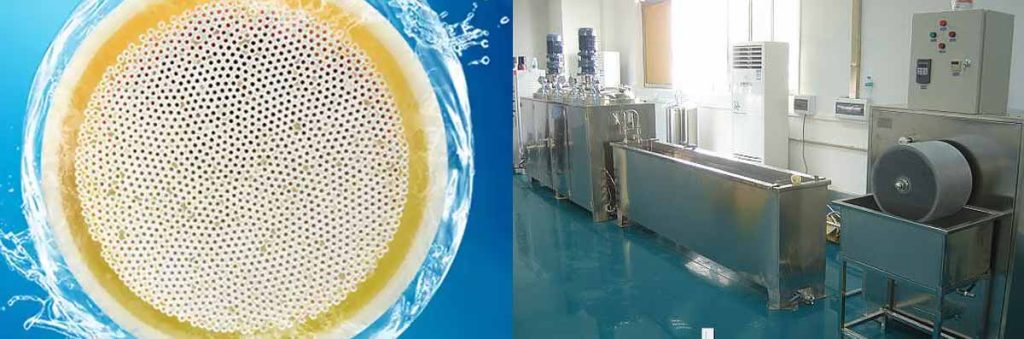
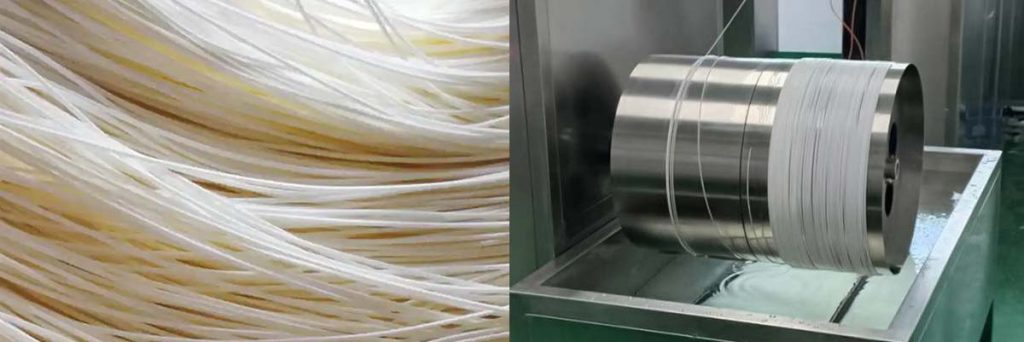
The hollow fiber spinning machine plays a crucial role in producing high-quality membrane modules with enhanced fouling resistance. Precision and reproducibility in the spinning process ensure consistent fiber diameters and accurate flow rates, which directly impact cleaning efficiency and module performance. Recent advancements, such as dual-layer spinning procedures, create multilayer fibers that improve selectivity, mechanical strength, and resistance to contaminants. These innovations support effective cleaning protocols and contribute to the long-term reliability of hollow fiber filtration system.
Conclusion
Effective cleaning of hollow fiber filtration system relies on several best practices:
- Perform regular cleaning using linear membrane flow or wall flushing.
- Use pre-filtered water for wall flushing and backwash every 15 to 30 minutes.
- Conduct periodic chemical cleaning and integrity testing.
- Monitor pressure and flow rate to verify cleaning effectiveness.
Using incompatible cleaning agents can damage membranes and reduce system life. Operators should always follow manufacturer guidelines and maintain a consistent cleaning schedule.
FAQ
How Often Should Operators Clean Hollow Fiber Filtration System?
Operators should perform maintenance cleaning every 1–2 weeks. They should schedule mandatory chemical cleaning every 6–12 months. Cleaning frequency depends on water quality and system usage.
What Signs Indicate That Cleaning Is Needed?
A rise in transmembrane pressure or a drop in water flux signals fouling. Operators may also notice reduced system efficiency or increased energy consumption.
Can Operators Use Any Cleaning Agent?
Operators must use cleaning agents compatible with both the membrane material and system hardware. Incompatible chemicals can damage the module and shorten its lifespan.
Is It Safe to Perform Chemical Cleaning Without Protective Equipment?
No. Operators should always wear gloves, goggles, and protective clothing during chemical cleaning. Safety procedures protect both the operator and the equipment.