


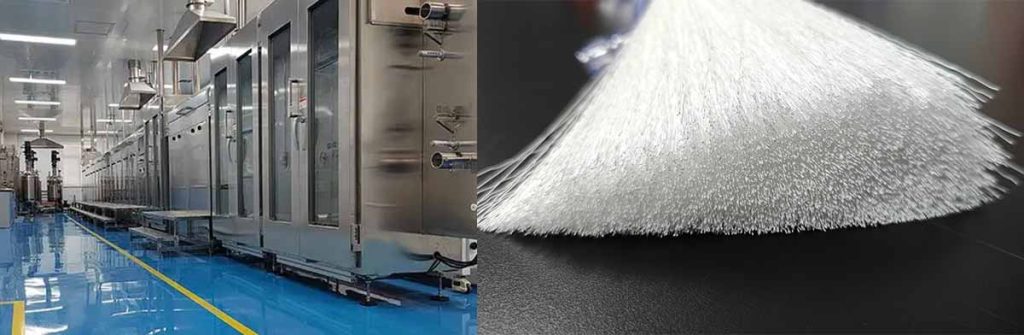
A hollow fiber membrane bioreactor combines biological treatment with advanced filtration to purify wastewater. This technology uses hollow fiber membranes to separate solids from liquids, ensuring high-quality effluent. Proper operation of the mbr is essential for maintaining efficiency and extending the system’s lifespan. For instance, ensuring a longer hydraulic retention time reduces membrane fouling, enhancing performance and reliability. Studies show that hollow fiber membrane bioreactor achieves up to 95% COD removal and 99% BOD removal, significantly improving water quality. Companies worldwide, such as a Belgian chemical firm and an Australian malt producer, have successfully adopted this technology to meet stringent water standards.
Key Takeaways
- Setting up the bioreactor correctly is very important. Follow clear steps to treat wastewater well and avoid mistakes.
- Checking the system often keeps it working properly. Look at the equipment and watch important settings to stop sudden problems.
- Control water flow carefully. Change air levels and check pressure to spread water evenly and stop clogs.
- Take steps to stop common issues. Regular care and checks can make the membranes last longer and work better.
- Keep conditions steady for success over time. Watch important numbers often to keep it working well and avoid clogs.
Preparation Before Operating a Hollow Fiber Membrane Bioreactor
Installing the Equipment
Proper installation of a hollow fiber membrane bioreactor ensures efficient wastewater treatment. Following a structured approach minimizes errors and enhances system performance. Key steps include:
- Increase the aeration rate to promote good hydraulic circulation within the bioreactor.
- Conduct start-up operations to stabilize the system before activating the membrane separation process.
- Install a grille with openings smaller than 2mm to filter out large particles during sewage treatment.
- Build a regulating tank to manage significant changes in water quality at sewage discharge points.
- Establish a routine for cleaning the membrane module to prevent permanent blockages.
- If the system will remain idle for over a week, empty the sewage and immerse the membrane module in clean water.
These steps ensure the mbr system operates smoothly and reduces the risk of damage to the mbr membranes.
Conducting System Checks
Routine system checks are critical for maintaining the reliability of the membrane bioreactor. Operators should:
- Inspect equipment regularly to identify potential issues early.
- Monitor vacuum pressure, keeping it between 0.01-0.04MPa for stable operation.
- Measure water quality and effluent quantity consistently to ensure the wastewater treatment process meets standards.
- Check the condition of activated sludge to verify the bioreactor’s biological activity.
These checks help maintain the mbr system’s efficiency and prevent unexpected downtime.
Microbial Domestication Process
The microbial domestication process prepares the bioreactor for optimal performance. This step involves acclimating microorganisms to the wastewater environment. Operators introduce activated sludge into the bioreactor and gradually increase the organic load. This process allows microbes to adapt and thrive, ensuring effective sewage treatment. Maintaining stable conditions, such as temperature and pH, during this phase is essential for microbial growth and activity.
By following these preparation steps, operators can ensure the membrane bioreactor functions efficiently and delivers high-quality wastewater treatment.
Steps for Effective MBR Membrane Operation
Automatic vs. Manual Operational Modes

Operators can choose between automatic and manual modes when managing an MBR system. Automatic operation relies on pre-programmed settings to regulate processes like aeration, filtration, and backwash cleaning. This mode reduces human intervention and ensures consistent performance. It is ideal for facilities aiming to maintain stable water quality with minimal oversight.
Manual operation, on the other hand, allows operators to adjust parameters directly. This mode is useful during troubleshooting or when specific conditions require immediate attention. For example, operators may manually increase aeration to address sudden changes in the bioreactor’s microbial activity. Combining both modes can enhance the flexibility and efficiency of mbr membrane operation.
Start-Up Procedures for the Bioreactor
Proper start-up procedures are crucial for achieving high-quality treated water. Operators should first inspect the hollow fiber spinning machine and other equipment to ensure they are functioning correctly. Next, the bioreactor should be filled with clean water to test for leaks and verify hydraulic circulation. Once confirmed, activated sludge can be introduced gradually.
During this phase, operators must monitor key parameters such as pH, temperature, and dissolved oxygen levels. Maintaining these conditions helps microorganisms acclimate and ensures effective wastewater treatment. Regular backwash cleaning during start-up prevents early fouling of the mbr membranes, promoting long-term efficiency.
Managing Hydraulic Circulation Conditions
Hydraulic circulation plays a vital role in the operation of an MBR system. Proper circulation ensures even distribution of wastewater and prevents sedimentation within the bioreactor. Operators should adjust aeration rates to maintain optimal flow and avoid dead zones. Monitoring vacuum pressure is also essential; values should remain within the recommended range to prevent damage to the membranes.
In addition, periodic backwash cleaning helps maintain the permeability of the membranes. This process removes accumulated debris and restores filtration efficiency. Consistent management of hydraulic conditions not only improves water quality but also extends the lifespan of the mbr membranes.
Troubleshooting Issues in Hollow Fiber Membrane Bioreactors
Addressing Blower Problems
Blowers play a critical role in maintaining aeration within the mbr system. When blower issues arise, operators should first inspect the equipment for mechanical faults. Common problems include clogged filters, damaged impellers, or insufficient airflow. Cleaning or replacing filters often resolves airflow disruptions. If impellers are damaged, replacing them ensures consistent aeration.
Operators should also monitor the blower’s pressure and flow rate. Maintaining optimal pressure prevents uneven hydraulic circulation, which can lead to membrane fouling. Studies on mbr design highlight the importance of stable aeration for effective biological performance. Regular maintenance of blowers reduces downtime and ensures the bioreactor operates efficiently.
Resolving Water Quality Deterioration
Water quality deterioration in mbr systems often results from imbalances in operational parameters. Operators should evaluate key metrics such as pH, dissolved oxygen, and organic loading rates (OLR). Adjusting OLR helps stabilize microbial activity and improves nutrient removal. For instance, maintaining sludge ages between 50 to 100 days reduces sludge output and enhances system performance.
Scientific studies confirm the effectiveness of these strategies. One evaluation of mbr processes under varying conditions demonstrated non-detect BOD5 values and over 90% COD removal. Another study revealed that optimizing OLR can reduce fouling resistance, improving the efficiency of hollow fiber filtration. Operators should also inspect the hollow fiber spinning machine to ensure proper functioning, as equipment issues can impact water quality.
Managing Foaming Issues
Foaming in hollow fiber membrane bioreactor typically occurs due to excessive organic loading or microbial imbalances. Operators should monitor feed parameters and adjust aeration rates to mitigate foaming. Reducing OLR often prevents the formation of a cake layer on the membrane surface, which contributes to fouling and foam generation.
Research highlights the correlation between OLR and fouling behavior. Higher OLR increases fouling due to cake layer resistance, emphasizing the need for controlled operational conditions. Regular cleaning of the membrane module and maintaining stable aeration rates minimize foam-related disruptions. These practices ensure the mbr system operates smoothly and delivers high-quality effluent.
Preventive Measures for Common Problems
Preventive measures play a crucial role in ensuring the smooth operation of an mbr system. By addressing potential issues proactively, operators can minimize downtime and maintain high-quality effluent. The following table outlines effective strategies to prevent common problems in hollow fiber membrane bioreactor:
| Preventive Measure | Description |
|---|---|
| Defoamer Addition | Use only if it won’t damage the membrane to address effluent quality issues. |
| Water Spray | Apply to remove contaminants from the membrane surface. |
| Increase Sludge Concentration | A simple and effective remedy for various operational challenges. |
| Aeration Adjustment | Increase aeration to improve hydraulic circulation and prevent spoilage. |
| Regular Maintenance | Implement air aeration and online chemical cleaning to prolong membrane life. |
| Pre-treatment of Sewage | Install a grille below 2mm and oil separation facilities to ensure influent quality. |
| Regular Inspection | Establish a system for routine checks on equipment and water quality. |
Operators should prioritize regular maintenance to extend the lifespan of the mbr membranes. For instance, air aeration combined with online chemical cleaning effectively reduces fouling and restores filtration efficiency. Pre-treatment of sewage, such as using a grille with openings smaller than 2mm, prevents large particles from entering the system and damaging the hollow fiber spinning machine.
Adjusting aeration rates is another critical step. Increased aeration enhances hydraulic circulation, reducing the risk of sedimentation and spoilage. Additionally, increasing sludge concentration can stabilize microbial activity, ensuring consistent wastewater treatment performance.
Routine inspections are essential for identifying potential issues early. Operators should monitor key parameters like vacuum pressure, dissolved oxygen levels, and effluent quality. These checks help maintain the mbr system’s efficiency and prevent unexpected failures.
By implementing these preventive measures, operators can ensure the long-term stability and effectiveness of their mbr systems.
Ensuring Long-Term Stability of the MBR
Maintaining Stable Operating Conditions
Maintaining stable operating conditions is essential for the long-term performance of an mbr system. Key parameters such as transmembrane pressure (TMP), hydraulic retention time (HRT), and sludge retention time (SRT) must remain within optimal ranges. TMP directly impacts membrane fouling and overall system efficiency. Operators should monitor TMP regularly to detect early signs of fouling and take corrective actions. HRT influences microbial kinetics, ensuring effective pollutant removal. Adjusting HRT based on influent characteristics can enhance treatment efficiency. SRT plays a critical role in organic degradation and prevents the growth of unwanted bacteria.
Studies on mbr systems highlight the importance of stable conditions for reducing fouling and improving biological performance. For instance, optimized modules and advanced control strategies can minimize fouling resistance, extending the lifespan of the hollow fiber membranes. Operators should also consider the effect of organic loading rates. Higher rates can increase fouling resistance and reduce pollutant removal efficiency. Regular monitoring and adjustments ensure the system operates at peak performance.
Conducting Regular Inspections

Routine inspections are vital for identifying potential issues before they escalate. Operators should check the condition of the hollow fiber spinning machine, membrane modules, and aeration equipment. Inspecting these components ensures they function correctly and prevents unexpected failures. Monitoring water quality parameters, such as dissolved oxygen levels and effluent quality, helps maintain compliance with treatment standards.
Regular inspections also provide an opportunity to evaluate sludge characteristics. Observing sludge color, texture, and settling behavior can reveal changes in microbial activity. Addressing these changes promptly prevents disruptions in the treatment process. Establishing a schedule for inspections ensures consistency and reduces the risk of downtime.
Precautions for Stopping the Bioreactor
Stopping an mbr system requires careful planning to avoid damage to the membranes and other components. Operators should first empty the bioreactor of wastewater and clean the membrane modules thoroughly. Immersing the membranes in clean water prevents drying and fouling during downtime. Aeration equipment, including blowers, should be inspected and maintained to ensure readiness for the next start-up.
If the system will remain idle for an extended period, additional precautions may be necessary. For example, storing the hollow fiber spinning machine in a controlled environment protects it from environmental damage. Following these steps ensures the bioreactor can resume operation smoothly and efficiently.
Conclusion
Operating a hollow fiber membrane bioreactor effectively requires careful preparation, consistent maintenance, and systematic troubleshooting. Key practices include stabilizing microbial activity, monitoring hydraulic circulation, and maintaining the hollow fiber spinning machine. These steps ensure smooth operation and high-quality wastewater treatment.
Proper management delivers measurable benefits:
- Non-detect BOD5 values confirm effective biological treatment.
- COD removal rates exceeding 90% highlight system efficiency.
- Effluent turbidity of 0.1 NTU surpasses tertiary treatment standards.
By adopting these strategies, operators can achieve long-term stability, reduce downtime, and consistently produce superior water quality. Implementing these methods ensures the bioreactor operates at peak performance for years to come.