


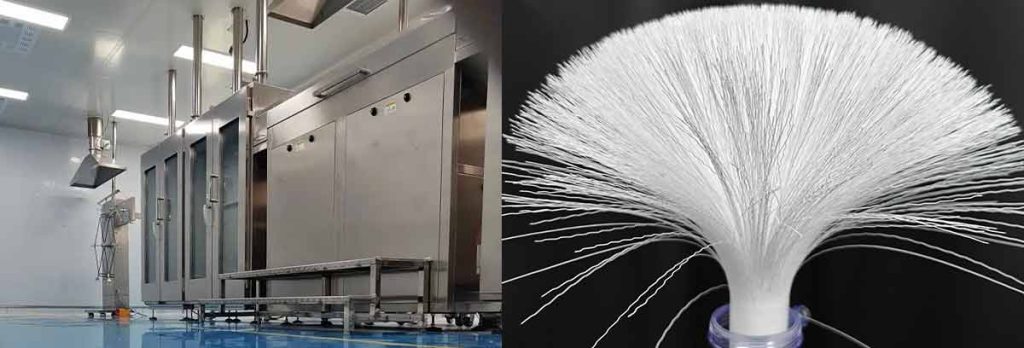
Choosing between a disposable or reusable PTFE membrane filter depends on several factors. Disposable filters offer convenience and low maintenance, while reusable ones provide long-term cost savings and reduced waste. Each type delivers distinct advantages based on its design and material. Selecting the right PTFE membrane filters requires evaluating performance, environmental impact, and specific application needs. Disposable filters suit short-term or single-use tasks, whereas reusable filters excel in sustainable, high-volume operations. Understanding these differences ensures an informed decision tailored to individual requirements.
Key Takeaways
- Disposable PTFE filters are great for short-term use. They don’t need cleaning and work reliably, making them useful in healthcare and food industries.
- Reusable PTFE filters save money over time. They cost more at first but last longer and can be washed, which cuts down on waste and spending.
- Think about your needs before picking a filter. Look at things like how you’ll use it, your budget, and how it affects the environment.
- Taking care of reusable filters is very important. Clean and check them often to keep them working well and lasting longer. This makes them a good eco-friendly option.
- Knowing the differences betweent PTFE membrane filters helps you choose better. Disposable filters are best for clean environments, while reusable ones work well for big jobs.
Disposable PTFE Membrane Filters
Advantages of Disposable Filters
Disposable filters offer several benefits that make them a practical choice for specific applications. These filters are designed for single-use, eliminating the need for cleaning or maintenance. This feature saves time and effort, especially in environments where quick turnaround is essential. Their compact design and lightweight structure make them easy to handle and install. Additionally, disposable filters provide consistent performance, as each filter is new and free from potential wear or contamination.
The construction of disposable PTFE membrane filters ensures high chemical resistance and durability. These filters can withstand temperatures up to 400ºF, making them suitable for demanding conditions. Their hydrophobic properties enhance their ability to repel water, which is particularly useful in applications involving aggressive solutions or sensitive environments. The availability of various micron sizes, such as 0.3 and 25, allows users to select the appropriate filter for their specific needs.
| Specification | Details |
|---|---|
| Material of Construction | PTFE |
| Type of Application | Particulate Filtration in Corrosive Service |
| Maximum Temperature | 400ºF |
| Appearance | Pure White |
| Flow Direction | Typically Outside to Inside |
| Micron Sizes | 0.3, 25 |
Disadvantages of Disposable Filters
Despite their advantages, disposable filters have certain limitations. Their single-use nature generates waste, which can contribute to environmental concerns. Frequent replacements may also lead to higher long-term costs, especially in operations requiring continuous filtration. These filters are less suitable for high-volume or long-term applications, as the need for constant replacement can disrupt workflows.
Another drawback is their limited customization. Disposable filters are pre-designed for specific applications, which may not always align with unique operational requirements. Users must also ensure proper disposal methods to minimize environmental impact, adding an extra layer of responsibility.
Ideal Use Cases for Disposable Filters
Disposable PTFE membrane filters excel in short-term or single-use applications. Industries such as healthcare, pharmaceuticals, and food and beverage often rely on these filters for their sterility and safety. In medical environments, disposable syringe filters ensure contamination-free procedures. Similarly, laboratories use these filters for high-performance liquid chromatography (HPLC) and other precision tasks.
| Application Area | Advantages of PTFE Membrane Filters |
|---|---|
| Chemicals, Petrochemicals, and Fertilizers | Superior chemical compatibility with aggressive solutions |
| Computers, Semiconductors, and Electronics | Extremely hydrophobic properties |
| Food and Beverage | Effective filtration in sensitive environments |
| Glass and Glass Products | High durability and resistance to solvents |
| Healthcare, Hospitals | Ensures sterility and safety in medical applications |
| Metals and Metals Fabrication, Mining | Reliable performance in harsh conditions |
| Pharmaceutical and Medicine | Critical for purity in drug manufacturing |
| Power Generation | Efficient filtration for energy production processes |
| HPLC | Essential for high-performance liquid chromatography |
These filters are also ideal for corrosive environments, where their chemical resistance ensures reliable performance. Their ease of use and low maintenance make them a preferred choice for tasks requiring quick and efficient filtration.
Reusable PTFE Membrane Filters
Benefits of Reusable Filters
Reusable PTFE membrane filters offer significant advantages, particularly in long-term applications. These filters are designed for durability, allowing them to withstand repeated use without compromising performance. Their robust construction ensures resistance to fouling and wetting, even under challenging conditions. This makes them a reliable choice for industries requiring consistent filtration over extended periods.
One of the most notable benefits is cost savings. While the initial investment may be higher than disposable options, reusable filters reduce expenses over time by eliminating the need for frequent replacements. Additionally, their washable nature, often referred to as a washable PTFE filter, minimizes waste, contributing to environmental sustainability.
Studies have demonstrated the impressive performance of reusable PTFE filters in various applications. For example:
- PTFE membranes maintained stable flux during prolonged operation.
- They exhibited superior resistance to fouling compared to PVDF membranes.
- Membrane integrity remained intact despite fluctuations in feed solution temperature and pressure.
| Study | Contaminant Removal Efficiency | Membrane Type | Pore Size |
|---|---|---|---|
| Kesieme et al. (2014) | 99.9% sulfate and salt rejection | PTFE | N/A |
| Zarasvand Asadi et al. | 90.87% sulfate, 99.58% chloride, 87.99% COD | MD | N/A |
| Noor et al. (2020) | Over 96% removal of iron, aluminum, TOC, conductivity | N/A | N/A |
| Xu et al. (2016) | Stable removal efficiency for pore sizes ≤ 0.45 μm | PTFE | 0.22 μm, 0.45 μm |
| Foureaux et al. (2021) | Consistent rejection efficiency after 240 days | PTFE, PVDF | N/A |
These findings highlight the exceptional durability and efficiency of reusable PTFE filters, making them a preferred choice for high-demand applications.
Drawbacks of Reusable Filters
Despite their advantages, reusable filters have some limitations. The upfront cost is higher compared to disposable alternatives, which may deter users with limited budgets. Additionally, these filters require regular maintenance, including cleaning and inspection, to ensure optimal performance. This can increase labor and operational costs, particularly in facilities with limited resources.
Reusable PTFE filters may also face challenges in applications involving highly viscous or heavily contaminated fluids. Over time, such conditions can lead to fouling, reducing filtration efficiency. While their resistance to fouling is superior to many other materials, consistent cleaning is necessary to maintain performance. Users must also invest in proper cleaning equipment, such as ultrasonic baths, to prevent damage during maintenance.
Best Applications for Reusable Filters
Reusable PTFE membrane filters are ideal for industries that prioritize sustainability and cost-efficiency. They excel in high-volume operations where frequent filter replacement would be impractical or costly. Common applications include:
- Water treatment plants: Effective in removing contaminants like sulfates, chlorides, and organic compounds.
- Chemical processing: Reliable for handling aggressive solutions due to their chemical resistance.
- Pharmaceutical manufacturing: Ensures consistent purity in drug production processes.
- Laboratories: Suitable for tasks requiring precision, such as filtration using syringe filters.
Reusable filters are also well-suited for applications involving high temperatures or corrosive environments. Their ability to maintain performance under such conditions makes them a versatile choice across multiple industries.
Key Comparison Factors
Cost-Effectiveness
Cost plays a significant role when selecting a PTFE membrane filter. Disposable filters often have a lower upfront cost, making them suitable for short-term applications or industries with limited budgets. However, frequent replacements can increase expenses over time, especially in high-volume operations. On the other hand, reusable filters require a higher initial investment but offer long-term savings. Their washable nature reduces the need for constant replacements, making them a cost-efficient choice for industries like pharmaceuticals and water treatment plants.
Choosing syringe filters for specific tasks also impacts cost-effectiveness. For example, syringe filter chemical compatibility ensures that the filter material matches the chemical being processed, preventing damage and reducing replacement frequency. This compatibility minimizes waste and enhances overall efficiency.
Performance and Efficiency
Performance and efficiency vary between disposable and reusable filters. Disposable filters provide consistent results as each unit is new and free from contamination. They are ideal for sterile environments, such as laboratories and food and beverage industries, where cleanliness is critical. Reusable filters, like the washable PTFE filter, maintain high performance over time but require regular maintenance to prevent fouling.
In controlled testing, PTFE membrane filters demonstrated superior efficiency compared to alternatives. For instance:
| Filter Type | Initial PFE (%) | PFE after 30 Washes (%) | Air Permeability (kPa·s m–1) |
|---|---|---|---|
| PTFE Membrane (Sample D) | 88.3 ± 1.8 | 72.0 ± 2.5 | 1.41 – 1.93 |
| Surgical Mask | 80.2 ± 7.6 | < 20 | N/A |
This data highlights the durability and efficiency of PTFE filters, even after multiple uses, making them a reliable choice for demanding applications.
Environmental Impact
Environmental considerations are crucial when choosing between disposable and reusable filters. Disposable filters generate more waste due to their single-use nature, contributing to pollution. Proper disposal methods can mitigate some of these effects, but the environmental burden remains significant. Reusable filters, however, are more environmentally friendly. Their washable design reduces waste and supports sustainability efforts in industries like pharmaceuticals and environmental testing.
The chemical compatibility of PTFE filters also plays a role in minimizing environmental harm. By ensuring compatibility with aggressive solutions, these filters prevent leaks and contamination, protecting both the environment and the user. Industries like food and beverage benefit from this feature, as it ensures safe and efficient filtration processes.
Maintenance and Cleaning Requirements
Proper maintenance and cleaning play a crucial role in ensuring the longevity and performance of PTFE membrane filters. While disposable filters require minimal upkeep, reusable filters demand a more structured approach to maintain their efficiency.
Disposable Filters: Minimal Maintenance
Disposable PTFE membrane filters are designed for single-use applications. Their maintenance requirements are virtually nonexistent. After use, these filters should be disposed of according to local environmental regulations. Improper disposal can lead to contamination or environmental harm.
Tip: Always check the chemical compatibility of the filter before use to prevent damage during operation.
Reusable Filters: Structured Cleaning Process
Reusable PTFE membrane filters require regular cleaning to maintain their filtration efficiency. Cleaning removes fouling, debris, and contaminants that accumulate during use. A structured cleaning process ensures the filter remains effective over time.
Steps for Cleaning Reusable Filters:
- Rinse with Water: Use deionized or distilled water to remove loose particles.
- Chemical Cleaning: Apply a cleaning solution compatible with PTFE material to dissolve stubborn contaminants.
- Ultrasonic Bath (Optional): For thorough cleaning, immerse the filter in an ultrasonic bath. This method dislodges particles trapped in the membrane pores.
- Drying: Allow the filter to air dry completely before reuse. Avoid using high heat, as it may damage the membrane.
| Cleaning Method | Purpose | Recommended Frequency |
|---|---|---|
| Rinsing with Water | Removes loose debris | After every use |
| Chemical Cleaning | Dissolves stubborn contaminants | Weekly or as needed |
| Ultrasonic Cleaning | Deep cleaning for pore blockages | Monthly or as needed |
Note: Always follow the manufacturer’s guidelines for cleaning solutions and procedures to avoid damaging the filter.
Regular inspection is also essential. Check for signs of wear, such as reduced flow rate or visible damage. Replace the filter if cleaning no longer restores its performance. Proper maintenance ensures reusable filters remain cost-effective and environmentally friendly over their lifespan.
How to Choose the Right PTFE Membrane Filter?
Assessing Your Filtration Needs
Understanding filtration requirements is the first step in selecting the right PTFE membrane filter. Different industries demand specific filtration capabilities based on the type of contaminants, fluid properties, and operational conditions. For instance, PTFE membranes excel in microplastic capture due to their high porosity and water flux rates. However, their optical properties may limit their use in high-resolution imaging applications. This makes them ideal for clean samples but less effective for tasks requiring precise visual analysis.
A decision matrix can simplify the selection process. For example:
| Cartridge Type | Advantages | Limitations | Application Scenarios |
|---|---|---|---|
| Polypropylene meltblown | Low cost, acid and alkali resistant | Low dirt-holding capacity (<200g/m²) | Prefiltration, syrup clarification |
| Polyethersulfone Folded | High flux (>500L/m²-h), high temperature resistance | Price 30% higher than meltblown cartridges | Fruit juice sterilization, dairy concentration |
| Sintered Titanium | High mechanical strength, repeatable cleaning | 2-3 times higher initial investment | High viscosity materials (e.g., sauces) |
| PTFE hydrophobic membrane | Gas sterilization efficiency >99.999% | Regular hydrophobic treatment required | Nitrogen/CO2 filtration |
This table highlights the versatility of PTFE membranes, particularly in applications requiring chemical resistance and thermal stability.
Budget Considerations
Budget constraints often influence the choice between disposable and reusable filters. Disposable filters, such as syringe filters, offer a lower upfront cost, making them suitable for short-term or low-volume applications. However, frequent replacements can increase expenses over time. Reusable PTFE filters, while initially more expensive, provide long-term savings through reduced waste and maintenance costs.
Industries like pharmaceuticals and water treatment benefit from reusable filters due to their durability and washable design. These filters also align with sustainability goals by minimizing environmental impact. For cost-sensitive operations, assessing the total cost of ownership, including maintenance and replacement expenses, ensures an informed decision.
Application-Specific Recommendations
The optimal PTFE membrane filter depends on the application. Hydrophobic PTFE membranes are ideal for industrial filtration, offering high chemical resistance and thermal stability. In medical settings, hydrophilic PTFE membranes ensure sterile filtration due to their biocompatibility and chemical inertness. For water treatment, hydrophilic membranes provide efficient filtration and surface modification potential.
| Application Type | Optimal PTFE Membrane Type | Key Features |
|---|---|---|
| Industrial Filtration | Hydrophobic PTFE Membrane | High chemical resistance, thermal stability, superior mechanical strength. |
| Medical Applications | Hydrophilic PTFE Membrane | Exceptional biocompatibility, chemical inertness, precise filtration. |
| Water Treatment | Hydrophilic PTFE Membrane | Efficient water filtration, potential for surface modification. |
For food and beverage industries, PTFE membranes ensure cleanliness and compatibility with aggressive solutions. Their ability to maintain sterile conditions makes them indispensable in these environments. Testing the chemical compatibility of the filter with the intended application ensures optimal performance and longevity.
Role of Technology (e.g., hollow fiber spinning machine)
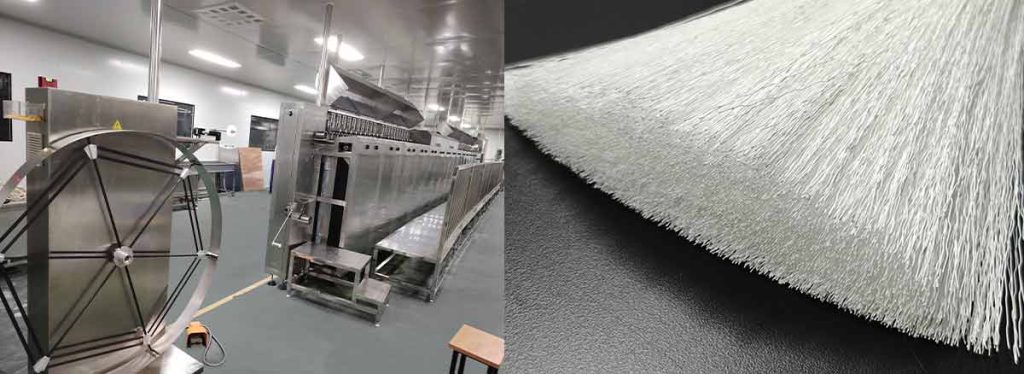
Technology plays a pivotal role in the development and production of PTFE membrane filters. Advanced machinery, such as the hollow fiber spinning machine, has revolutionized the manufacturing process. This equipment enables the creation of high-performance membranes with precise pore sizes and uniform structures. These features are essential for achieving consistent filtration results across various industries.
The hollow fiber spinning machine operates by extruding polymer solutions through specialized nozzles. This process forms hollow fibers with a porous structure, which are later treated to enhance their hydrophobic or hydrophilic properties. The ability to control pore size during production ensures that PTFE membranes meet specific filtration requirements. For instance, membranes with smaller pores are ideal for removing fine particles, while larger pores suit applications requiring higher flow rates.
Automation in these machines reduces human error and increases production efficiency. Manufacturers can produce large quantities of PTFE membranes with consistent quality. This consistency is crucial for industries like pharmaceuticals and water treatment, where filtration precision directly impacts safety and performance. Additionally, the use of advanced technology minimizes material waste, aligning with sustainability goals.
The integration of technology also supports innovation in membrane design. Researchers can experiment with new materials and configurations to improve filtration efficiency. For example, combining PTFE with other polymers can enhance durability and chemical resistance. These advancements expand the range of applications for PTFE membranes, making them indispensable in modern industries.
Conclusion
Disposable and reusable PTFE membrane filters serve distinct purposes, each excelling in specific scenarios. Disposable filters offer convenience and sterility, making them ideal for short-term tasks or environments requiring minimal maintenance. In contrast, reusable filters provide long-term cost savings and reduce waste, aligning with sustainability goals. Their durability and efficiency make them suitable for high-volume operations.
A comparison highlights key differences. Disposable filters often generate more waste, contributing to pollution, while reusable options minimize environmental impact. Testing shows reusable filters maintain performance over time, though they require regular cleaning. Industries like healthcare benefit from disposable syringe filters, while reusable syringe filters excel in laboratories and water treatment.
Tip: Evaluate your filtration needs, budget, and environmental priorities before selecting a PTFE membrane filter. This ensures the best fit for your application.