


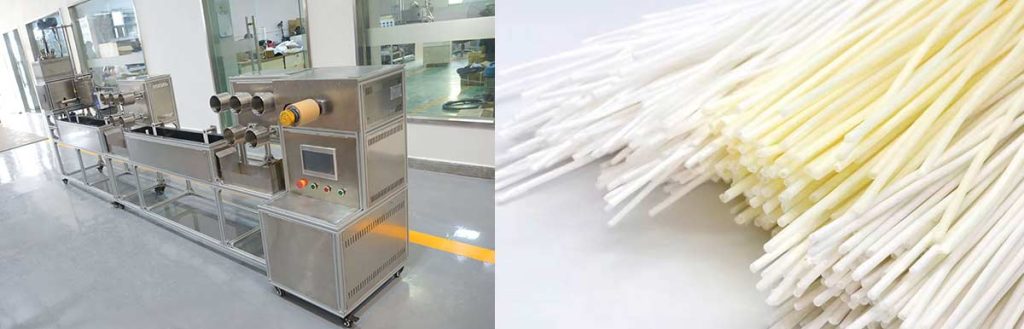
Selecting the right hollow fiber filter cartridge can determine the success of any water filtration system. Users must match cartridge features to their water quality and intended use. The choice of material, MWCO, and compatibility with water sources plays a crucial role. Mistakes often occur when cleaning methods introduce mineral deposits, which can clog the membrane. Fouling from suspended solids or microorganisms may reduce efficiency. Pressure shocks or rough handling can also break delicate fibers, letting untreated water pass through filters. Consulting experts and testing the cartridge before full-scale use helps prevent these issues and ensures reliable water quality.
Key Takeaways
- Identify your filtration goals by specifying the contaminants you want to remove from water. This ensures you choose the right filter for your needs.
- Consider the material and durability of the filter cartridge. Different materials have varying resistance to chemicals and temperatures, affecting their lifespan.
- Match the pore size and molecular weight cut-off (MWCO) of the filter to the contaminants you want to eliminate. This ensures effective filtration.
- Regularly monitor flow rate and pressure to maintain filter performance. Sudden changes can indicate fouling or damage.
- Consult experts or manufacturers for tailored advice. Their insights can help you select the best filter for your specific application.
Key Factors for Hollow Fiber Filter Cartridge Selection
Material and Durability
Hollow fiber filter cartridge materials play a crucial role in water filtration technology. Polymeric types such as PVDF, PES, and polypropylene dominate the market. These materials offer a balance between cost and performance. They resist many solvents, but harsh chemicals or high temperatures can shorten their lifespan. Mechanical fragility and fouling remain concerns. In aggressive environments, ceramics provide higher durability, though they are less common and more expensive. Users must consider the chemical and temperature limits of each material. Hollow fiber technology relies on the integrity of these materials to maintain filtration efficiency and prevent contaminants from passing through.
Tip: Always check the manufacturer’s specifications for solvent compatibility and durability ratings before selecting a hollow fiber filter cartridge.
Pore Size and MWCO
Pore size and molecular weight cut-off (MWCO) determine which contaminants a filter removes. MWCO selection depends on the target molecule. For optimal filtration, experts recommend choosing an MWCO 3-6 times smaller or larger than the target molecule. This ensures effective removal of bacteria, viruses, and other contaminants. Hollow fiber filters with smaller pore sizes excel at ultrafiltration, capturing fine particles and microorganisms. Larger pore sizes suit microfiltration, removing bigger particles. Membrane filters must match the application, whether for water treatment technologies or hplc mobile phase filtration. Certified low-extractable filters guarantee minimal solvent leaching, which is essential for sensitive applications.
| Pore Size (Microns) | Filtration Type | Target Contaminants |
|---|---|---|
| 0.2 | Ultrafiltration | Bacteria, viruses |
| 1.0 | Microfiltration | Sediment, larger particles |
| 10 | Pre-filtration | Sand, debris |
Flow Rate and Pressure
Flow rate and pressure affect the performance of hollow fiber filter cartridges. High flow rates allow more water to pass through, but may reduce filtration efficiency. Low pressure can limit solvent movement, especially in hplc mobile phase filtration. Filters must withstand operating pressures without breaking fibers. Clean water flux measures the rate at which water flows through membrane filters under controlled conditions. Certified low-extractable filters maintain consistent performance even with varying solvent types. Users should monitor system pressure and flow to prevent damage and ensure optimal water quality.
- Checklist for Flow Rate and Pressure:
- Confirm filter pressure rating matches system requirements.
- Measure clean water flux before and after installation.
- Avoid sudden pressure changes to protect hollow fiber technology.
Application Compatibility
Application compatibility ensures that the hollow fiber filter cartridge fits the intended water filtration system. Cartridge configuration options such as length, micron rating, and endcap style influence compatibility. Micron ratings range from 0.2 to 1000 microns. Nominal rated filters capture 75%-80% of particles at the specified size, ideal for upstream filtration. Absolute rated filters capture over 99% of particles, suitable for downstream applications. Selecting the right micron rating prevents system overload and maintains solvent flow. Endcap styles and cartridge length must match the housing and flow requirements. Hollow fiber filters support diverse applications, from water treatment technologies to laboratory solvent filtration.
Note: Always match cartridge configuration to the filtration system’s requirements for best performance and longevity.
Hollow Fiber Filter Cartridge Selection Table
| Configuration Option | Impact on Compatibility | Typical Use Case |
|---|---|---|
| Length | Fits specific filter housings | Industrial water systems |
| Micron Rating | Determines filtration efficiency | Drinking water, solvent filtration |
| Endcap Style | Ensures proper sealing | Laboratory membrane filters |
Hollow fiber technology continues to advance, offering reliable solutions for water filtration and solvent purification. Users who understand these key factors make informed choices, ensuring their filters deliver consistent performance and protect against contaminants.
Understanding Hollow Fiber Membrane Filters
How Hollow Fiber Spinning Machine Affects Quality?
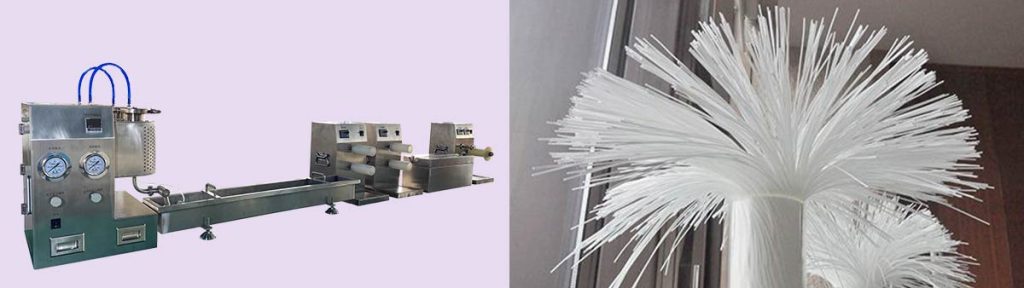
The hollow fiber spinning machine plays a critical role in the production of membrane filters. Operators adjust temperature, pressure, polymer concentration, and spinning speed to control pore uniformity and mechanical strength. These parameters influence the performance of hollow fiber membrane filters in water purification systems. The spinning machine creates an asymmetric microporous structure and a semi-permeable membrane. A pressure difference across the membrane drives filtration. Solvents and small molecules pass through, while larger substances remain trapped. Hollow fiber membranes utilize tangential flow filtration technology, which separates molecules efficiently. The membrane’s pores allow only certain sizes of molecules to pass, retaining larger particles. Customizable pore sizes enable microfiltration or ultrafiltration.
Consistent control of spinning machine settings ensures reliable membrane filters that remove bacteria and viruses from water.
Technical Specs and Data Sheets
Manufacturers provide technical data sheets for membrane filters. These documents list specifications that help users select the right filter for their needs. Key specifications include pore diameter, fiber type, fiber inner diameter, membrane surface area, effective length, arrangement, material properties, and molecular weight cut-off (MWCO). Each specification affects filtration efficiency and compatibility.
| Specification | Description |
|---|---|
| Pore Diameter | Intercepts cells or bacteria while allowing small molecules to pass. |
| Fiber Type | Material properties affect performance. |
| Fiber Inner Diameter | Influences flow rates and filtration efficiency. |
| Membrane Surface Area | Larger areas enhance filtration capacity. |
| Effective Length | Longer fibers improve filtration efficiency. |
| Arrangement | Fiber configuration impacts cartridge performance. |
| Material Properties | Chemical resistance, biocompatibility, and strength vary by material. |
| Molecular Weight Cut-Off (MWCO) | Indicates the size of molecules filtered; higher MWCO fibers offer greater filtration rates. |
Industry Standards and Certifications
Industry standards and certifications assure the safety and performance of membrane filters. NSF-61 system certification confirms that materials do not release harmful chemicals into drinking water. The Environmental Technology Verification (ETV) Program by the US EPA/NSF provides third-party performance verification. These certifications reduce the need for additional pilot testing and regulatory review. Hollow fiber membrane filters with proper certifications help ensure safe drinking water for both industrial and domestic applications.
Filtration Process and Cartridge Preparation
Flushing and Clean Water Flux
Operators must flush hollow fiber membrane filters before initial use to remove manufacturing residues and ensure optimal water filtration. Flushing procedures involve selecting cleaning agents compatible with the filter modules and hardware. These agents must be fully removable and have verifiable efficacy. The process often includes NaClO treatment, followed by acidic cleaning, and post-storage testing. Cleaning strategies aim for at least 70% normalized water permeability (NWP) recovery. Technicians compare NWP before and after cleaning under identical test parameters, such as tangential flow velocity and transmembrane pressure. Monitoring post-storage NWP helps detect slow-release contaminants.
| Recommended Cleaning Agents and Temperature Parameters | Recommended Cleaning Strategies |
|---|---|
| Cleaning agents must be compatible with hollow fiber modules and hardware systems. | Implement NaClO treatment followed by acidic cleaning agents, with post-storage testing. |
| Cleaning agents must be fully removable post-cleaning. | Evaluate comprehensively through process flux, product quality, and NWP recovery metrics. |
| Cleaning agents must have verifiable removal efficacy. | For initial use, develop CIP methods achieving ≥70% NWP recovery. |
| Cleaning agents should utilize commonly available chemical types. | Conduct pre-/post-use NWP comparisons under identical test parameters (tangential flow velocity, TMP). |
| Monitor post-storage NWP for slow-release contaminants. |
Clean water flux measurement determines the volume of water passing through membrane filters per unit area and time. Measurement techniques have evolved from simple volumetric methods to advanced real-time monitoring systems. Current trends focus on precision, automation, and integration with process control systems. Real-time monitoring enables predictive analytics, optimizing cleaning schedules and extending membrane lifetimes. Non-invasive techniques minimize disruption during filtration.
Maintenance and Replacement
Regular maintenance extends the lifespan and efficiency of hollow fiber membrane filters. Cleaning and monitoring operational parameters prevent irreversible fouling and maintain consistent filtration performance. Best practices for using membrane filters include:
- Store filters securely to avoid drops.
- Keep filters warm in freezing conditions to prevent damage from expanding water.
- Backflush filters regularly to maintain flow rate and performance.
- Disinfect filters after use with a diluted bleach solution to prevent bacteria and mold growth.
Technicians must follow these steps to ensure reliable water filtration and protect the integrity of membrane filters.
Ensuring Water Quality
Operators monitor water quality parameters to verify the effectiveness of membrane filters. Microbial contaminants require plate counting of E. coli, flow cytometry, and quantitative polymerase chain reaction. Physicochemical indicators include turbidity measurements, particle counting, conductivity, and ion retention. Organic matter detection uses total organic carbon analysis and UV254nm spectroscopy. These methods help identify leaks and ensure that filters maintain high removal values. Consistent monitoring supports safe water filtration and confirms that membrane filters operate at peak performance.
Step-by-Step Guide to Choosing a Filter Cartridge
Define Filtration Goals
Selecting a hollow fiber filter cartridge begins with clear filtration goals. Users must identify the contaminants they want to remove from water. Bacteria, sediment, and organic matter often require different membrane filters. The operating environment shapes the choice. Outdoor use demands rugged filters, while industrial settings need cartridges that withstand harsh conditions. Technical specifications such as pore size, flow rate, and material type determine the effectiveness of filtration. Durability and compatibility with the filtration system matter for long-term performance.
A systematic approach helps users define their goals:
- Specify the contaminants to target, such as bacteria or sediment.
- Evaluate the environment where the filter will operate, including remote or industrial locations.
- Review technical specifications like pore size, flow rate, and material type.
- Assess the durability and compatibility of the filter material.
- Compare filter options based on performance, cost, and maintenance needs.
- Consult product reviews and user feedback for real-world insights.
- Reach out to experts or manufacturers for tailored recommendations.
- Conduct small-scale tests to evaluate filter performance before full-scale use.
Setting precise filtration goals ensures that membrane filters deliver reliable water quality and meet the demands of the application.
Compare Hollow Fiber Filter Options
Users must compare hollow fiber filter cartridge options to find the best fit for their water filtration needs. High-performance membranes remove up to 90% of contaminants and use less energy, which lowers operational costs. Advanced systems can reduce energy consumption by 20-30% compared to standard filters. Reverse osmosis cartridges last from six months to two years. Carbon block filters cost less initially but may require frequent maintenance. Basic paper filters can double yearly operating costs compared to premium cartridges.
Investing in high-quality cartridges saves money on maintenance and improves water quality over time. EPA data shows advanced filters can reduce common water pollutants by up to 99%, which lowers health-related expenses. Regular performance checks prevent unnecessary replacements. Monitoring pressure drop across the cartridge signals when replacement is needed.
| Filter Type | Performance | Lifespan | Maintenance Cost | Energy Efficiency |
|---|---|---|---|---|
| High-performance | Up to 90% removal | 1-2 years | Low | High |
| Reverse osmosis | 99% removal | 6 months-2 years | Moderate | Moderate |
| Carbon block | 70-80% removal | 6-12 months | High | Moderate |
| Paper filter | 50-60% removal | 3-6 months | Very High | Low |
Comparing filter options helps users select membrane filters that balance performance, cost, and maintenance for their water filtration system.
Consult Experts or Manufacturers
Consulting experts or manufacturers provides valuable guidance when choosing a hollow fiber filter cartridge. Proper pretreatment prevents fouling and maintains system stability. Handling and maintenance require careful attention. Technicians must treat cartridges delicately and plan for regular disinfection to avoid failures. Understanding water quality requirements allows users to tailor the filtration system to specific conditions.
- Discuss pretreatment strategies to protect membrane filters.
- Ask about handling and maintenance routines for hollow fiber filter cartridge longevity.
- Share water quality data with experts to receive customized recommendations.
Expert advice ensures that filters match the water source and application, reducing risks and improving filtration outcomes.
Test and Validate Selection
Testing and validating the chosen hollow fiber filter cartridge confirms its suitability for the water filtration system. Users conduct small-scale tests to measure performance. These tests check contaminant removal, flow rate, and durability. Monitoring clean water flux and pressure drop helps identify issues early. Regular checks prevent unnecessary replacements and extend membrane filters’ lifespan.
- Set up pilot tests to evaluate filter effectiveness.
- Measure water quality before and after filtration.
- Track flow rate and pressure drop for signs of fouling or failure.
- Adjust maintenance routines based on test results.
Testing and validation guarantee that the hollow fiber filter cartridge meets filtration goals and delivers consistent water quality.
Tips for Backpacking Water Filters and Other Uses
Choosing for Outdoor and Portable Filtration
Backpacking presents unique challenges for water filtration. Outdoor enthusiasts often encounter water sources with high sediment or microbial content. These conditions require backpacking water filters that can handle both clear and turbid water. Hollow fiber filters perform well in these environments because they block microbes consistently, even when other contaminants are present. Lightweight and compact filters are essential for backpacking. Many hikers choose models under two ounces for ultralight travel. Compact filters fit easily into small pockets or gear compartments, making them accessible during long treks. Portability allows users to rely on a single filter for various activities, from hiking to camping. Squeeze filters offer quick water treatment, while gravity filters suit group use by handling larger volumes. Pump filters provide effective filtration but may require more effort, which some users find less convenient.
Tip: When selecting backpacking water filters, prioritize models that balance weight, size, and contaminant removal efficiency.
Ensuring Reliability in the Field
Reliability remains a top concern for backpacking water filters. Environmental factors, such as sediment load and organic matter, can affect filter performance. Regular backflushing helps maintain flow rate and prevents clogging, especially after filtering dirty water. Users should secure filters to prevent drops, which can damage the hollow fibers. In freezing conditions, storing the filter in a warm place prevents damage from expanding water. After each trip, disinfecting the filter with a diluted bleach solution stops bacteria and mold growth. These maintenance steps extend the life of membrane filters and ensure safe water during every adventure.
| Maintenance Practice | Purpose |
|---|---|
| Secure filter | Prevents damage from drops |
| Store warm in cold | Avoids freeze-related damage |
| Backflush regularly | Maintains flow and prevents clogging |
| Disinfect after use | Stops bacteria and mold growth |
Backpacking water filters must combine durability, ease of maintenance, and effective contaminant removal. Membrane filters designed for outdoor use provide reliable water purification, supporting safe hydration in remote locations.
Conclusion
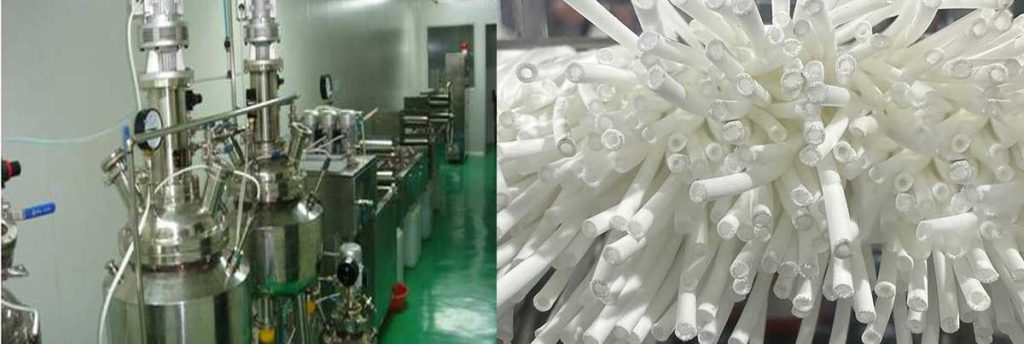
Selecting the right hollow fiber filter cartridge requires attention to material, MWCO, and application compatibility. PVDF and PS membranes help remove suspended solids and bacteria from water. These cartridges work with other filtration methods to improve water quality and extend the life of downstream components. Cleaning and reusing membranes without damage supports system durability. Testing, consulting experts, and monitoring water quality ensure consistent results. Careful selection leads to reliable water purification and protects system longevity.
Choosing the proper cartridge enhances water filtration and maintains high water quality over time.
- Review filtration goals and contaminants.
- Compare cartridge options for water purification.
- Consult experts for tailored recommendations.
- Test and validate cartridge performance.
FAQ
What Does MWCO Mean in Hollow Fiber Filter Cartridges?
MWCO stands for Molecular Weight Cut-Off. It indicates the smallest molecule size that the filter can retain. Users select MWCO based on the contaminants they want to remove from water.
How Often Should Technicians Replace Hollow Fiber Filter Cartridges?
Technicians replace cartridges when flow rate drops or water quality decreases. Most cartridges last six months to two years. Regular maintenance and monitoring extend cartridge lifespan.
Can Hollow Fiber Filter Cartridges Remove Viruses from Water?
Hollow fiber filters with pore sizes of 0.2 microns or smaller can remove viruses. These filters also block bacteria and other microorganisms. Users should check specifications for virus removal claims.
What Is the Best Way to Clean Hollow Fiber Filter Cartridges?
Technicians use backflushing and diluted bleach solutions to clean cartridges. They avoid harsh chemicals that damage fibers. Proper cleaning maintains performance and prevents fouling.
Are Hollow Fiber Filter Cartridges Safe for Drinking Water?
Certified cartridges meet NSF-61 and EPA standards. These certifications ensure materials do not release harmful chemicals. Users should verify certifications before using filters for drinking water.