


PTFE water filter stands as the preferred solution for water filtration where purity cannot be compromised. PTFE resists harsh chemicals, ensuring reliable filtration and effective contamination prevention. Teflon provides unmatched hydrophobicity, which maintains filter performance during purification. Industries such as pharmaceuticals and laboratories rely on PTFE for water filtration because teflon offers chemical inertness and thermal stability. Teflon in a ptfe water filter stops contamination and supports long-term purification. The hollow fiber spinning machine and hollow fiber spinneret enable precise filter construction, making ptfe and teflon essential for consistent water filtration and contamination prevention.
Key Takeaways
- PTFE water filter resists harsh chemicals and high temperatures, keeping water pure and the filter durable.
- The hydrophobic nature of PTFE prevents clogging and fouling, ensuring long-lasting filter performance.
- PTFE membranes have a unique microporous structure that removes tiny contaminants with high efficiency.
- Industries and laboratories trust PTFE filters for reliable, consistent water purification in critical applications.
- Regular gentle cleaning and inspection help maintain PTFE filter efficiency and extend its service life.
PTFE Water Filter Properties
Chemical Inertness
PTFE filter material stands out for its remarkable chemical resistance. The molecular structure of PTFE, with a fully fluorinated carbon backbone, ensures that the filter does not react with strong acids, bases, or solvents. This property is essential for water filtration in environments where chemical exposure is frequent. Teflon material maintains the purity of water by preventing unwanted reactions that could introduce contaminants. Scientific studies confirm that PTFE membranes, even after immersion in 3% hydrochloric acid, sodium hydroxide, or sodium hypochlorite for up to two weeks, retain their integrity. The water flux decreases, but the membrane structure remains stable, demonstrating the chemical resistance and durability of PTFE filter material.
| Chemical | Duration | Water Flux Loss (%) | Membrane Integrity |
|---|---|---|---|
| HCl | 14 days | 58 | Preserved |
| NaOH | 14 days | 76 | Preserved |
| NaClO | 14 days | 19 | Preserved |
PTFE filter material also exhibits superior stability compared to other polymers like PVDF or PES. This advantage allows the ptfe water filter to withstand frequent chemical cleaning cycles, which are common in high-purity water applications. Teflon material ensures that the filter continues to deliver high efficiency and extended service life, even under harsh conditions. The hollow fiber spinning machine and hollow fiber spinneret play a crucial role in producing PTFE membranes with precise pore structures, further enhancing chemical resistance and durability.
Note: PTFE filter material resists radical attacks and oxidative damage, which are common failure modes in aggressive environments. This resistance supports long-lasting durability and consistent filtration efficiency.
Hydrophobicity
Teflon material is inherently hydrophobic. This property means that PTFE filter material repels water, preventing moisture from clogging the filter pores. Hydrophobicity is vital for maintaining filtration efficiency, especially in applications where the filter must handle both liquid and vapor phases. Teflon ensures that the filter does not swell or degrade when exposed to water, which can happen with less robust materials.
Hydrophobic PTFE filter material also reduces the risk of fouling. Organic and inorganic contaminants have a harder time adhering to the surface, which keeps the filter clean and efficient for longer periods. This characteristic directly contributes to the extended service life and long-lasting durability of the ptfe water filter. Teflon material’s hydrophobic nature supports high efficiency by minimizing maintenance needs and downtime.
Tip: Hydrophobic PTFE filter material is ideal for critical water filtration processes in pharmaceuticals and laboratories, where even minor contamination can compromise results.
Thermal Stability
PTFE filter material demonstrates outstanding thermal stability. Teflon material can operate at temperatures up to 260°C (500°F), far exceeding the limits of most other filter materials. For example, the Tef-Pure Series Cartridge Filter specifies a maximum operating temperature of 203°F (95°C), ensuring reliable performance in high-temperature water filtration systems. This thermal stability allows PTFE filters to maintain structural integrity and efficiency during repeated sterilization cycles, which are common in pharmaceutical and food processing industries.
Teflon’s resistance to heat also means that the filter does not deform or lose efficiency when exposed to hot fluids or gases. PTFE filter material’s low extractables and adsorption properties further protect water purity, making it the preferred choice for high-purity water systems. The combination of chemical resistance and durability, hydrophobicity, and thermal stability ensures that PTFE filter material delivers consistent performance and extended service life, even in the most demanding environments.
| Property | PTFE Filter Material | Other Polymers (e.g., PVDF, PES) |
|---|---|---|
| Maximum Temperature | 260°C (500°F) | 80–150°C |
| Chemical Resistance | Excellent | Moderate to Good |
| Hydrophobicity | High | Moderate |
| Durability | Superior | Moderate |
Teflon material’s ability to withstand both chemical and mechanical stresses, such as pressure surges and humidity cycling, further enhances its long-lasting durability. The hollow fiber spinning machine and hollow fiber spinneret enable the production of PTFE membranes with uniform structure, supporting high filtration efficiency and reliability.
Filtration Efficiency
Microporous Structure
PTFE membranes feature a unique microporous structure that sets them apart in water filtration. This structure enables high filtration efficiency and the effective removal of contaminants, even those as small as 0.3 microns. The asymmetric design of PTFE membranes, combined with sieve-like and fibrous-like features, allows for superior filtration efficiency. The mean pore size in typical PTFE hollow fiber membranes is around 4.7 microns. Despite this, these membranes achieve high collection efficiency, removing over 99.99% of particles larger than 2.5 microns and more than 90% of particles above 0.3 microns.
| Membrane Code | Mean Pore Size (μm) | Particle Removal Efficiency |
|---|---|---|
| P-10 | ~4.67 | >99.99% for particles >2.5 μm; >90% for particles >0.3 μm |
| P-11 | ~4.75 | Similar high efficiency |
| P-12 | ~4.71 | Similar high efficiency |
| P-13 | ~4.68 | Similar high efficiency |
| P-14 | ~4.72 | Similar high efficiency |
PTFE membranes produced by solid particle sintering methods can achieve even narrower and more uniform pore size distributions, sometimes as tight as 0.13 microns. This tight control over pore size ensures the effective removal of contaminants and supports high contaminant removal rates. The hollow fiber spinning machine and hollow fiber spinneret play a critical role in creating these precise structures, allowing manufacturers to tailor the membrane for specific purification needs. The unique microporous structure of PTFE not only boosts filtration efficiency but also maintains consistent filtration performance over time.
Note: The morphology of PTFE membranes, rather than just pore size, determines their superior filtration efficiency. This design ensures consistent performance in demanding applications.
No Extractables
Teflon stands out in water filtration because it does not release extractables into the purified water. Many filter materials can leach unwanted substances, which compromises water purity. PTFE, however, maintains the integrity of the water by preventing the introduction of contaminants during filtration. This property is essential for industries that require ultrapure water, such as pharmaceuticals and laboratories.
The absence of extractables in PTFE water filter membranes ensures that the purification process remains uncontaminated. Teflon’s chemical inertness means that even under harsh cleaning cycles or exposure to aggressive chemicals, the filter does not degrade or release byproducts. This characteristic supports both high filtration efficiency and consistent filtration performance, making PTFE the preferred choice for high-purity water applications.
Tip: Teflon filters are ideal for applications where even trace contaminants can disrupt sensitive processes or analytical results.
Consistent Performance
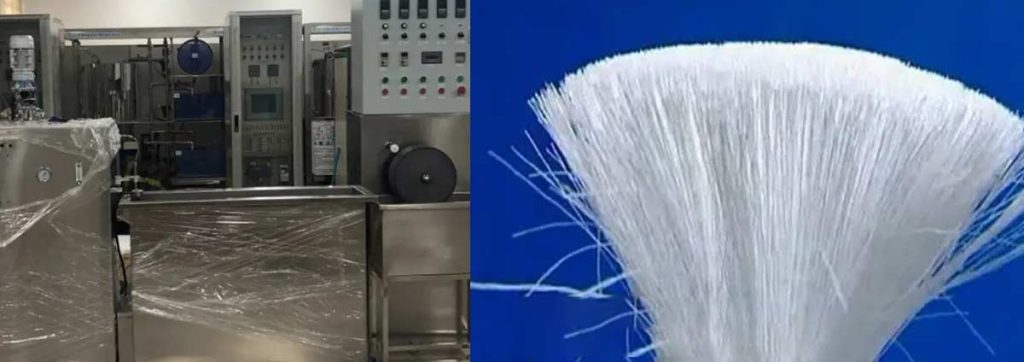
PTFE delivers consistent performance in water filtration due to its robust structure and advanced manufacturing techniques. The hollow fiber spinning machine, using dry-wet spinning methods, allows precise control over membrane formation. By adjusting parameters such as air-gap distance and solvent concentration, manufacturers can produce PTFE membranes with uniform pore sizes and high porosity. This process results in filters that offer superior filtration efficiency and reliable operation.
Teflon’s unique microporous structure resists fouling and maintains high filtration efficiency throughout the filter’s service life. The filter’s durability ensures that performance does not decline, even after repeated use or exposure to challenging environments. PTFE’s resistance to chemical attack and thermal stress further supports its consistent filtration performance, making it suitable for continuous purification in demanding settings.
- PTFE filters maintain high efficiency and effective removal of contaminants over time.
- Teflon’s structure ensures that the filter delivers reliable performance, even under fluctuating flow rates or variable water quality.
- The combination of advanced membrane design and precise manufacturing with hollow fiber spinning machine guarantees that PTFE water filter meets the strictest standards for high-purity water.
Callout: PTFE’s consistent performance and unique microporous structure make it the gold standard for water filtration in critical applications.
Teflon in Water Filtration
Industrial Applications
Teflon material plays a vital role in industrial water filtration systems. Many sectors depend on teflon for its unmatched chemical resistance and durability. The pharmaceutical, biotechnology, and semiconductor manufacturing industries require ultra-pure water to maintain product quality and meet strict regulatory standards. Teflon material ensures that water filtration systems deliver consistent purity, which is essential for manufacturing active pharmaceutical ingredients and biologics. Semiconductor plants use teflon material to prevent even the smallest contaminants from affecting chip performance.
Other industries also benefit from teflon material. Petrochemical and chemical plants use teflon filters to purify fluids such as hydrogen peroxide, resins, and catalysts. Oil and natural gas operations rely on teflon material for contaminant removal in amine solutions and CNG filtration. Automotive manufacturers use teflon material in electrophoretic paint and coating solutions, while electronics and plating industries require teflon for chemical purification in LCD and circuit production. Food and beverage producers trust teflon material to ensure the safety of products like wine, beer, and dairy. The hollow fiber spinning machine and hollow fiber spinneret enable precise construction of teflon membranes, supporting reliable operation in chemical plants and other demanding environments.
Tip: Teflon material supports sustainability and energy efficiency, helping industries meet modern environmental goals.
Laboratory Use
Teflon material stands out in laboratory water filtration due to its purity and reliability. Laboratories require water free from contaminants for accurate experiments and sensitive analyses. Teflon material resists chemical attack, ensuring that no unwanted substances leach into the water. Many laboratory filters use teflon membranes produced with hollow fiber spinning machine and hollow fiber spinneret to achieve precise pore sizes and consistent performance.
Teflon material meets rigorous standards for laboratory use. Filters often comply with USP Class VI biological reactivity tests, ISO 9001-2000 quality management, and LAL endotoxin testing. These certifications confirm that teflon material is safe, non-toxic, and effective at removing bacteria and endotoxins. Teflon filters also withstand repeated steam sterilization cycles, maintaining integrity and performance. This reliability makes teflon material the preferred choice for laboratory water filtration, where even trace contaminants can compromise results.
Note: Teflon material ensures that laboratory water filtration systems deliver consistent, high-purity water for critical research and testing.
Material Comparison
PTFE vs. Other Materials
PTFE filter material stands apart from other filtration options due to its exceptional chemical resistance and durability. When comparing PTFE to materials like PVDF, PES, and nylon, several differences become clear. PTFE filter material maintains superior filtration efficiency even in harsh environments. Teflon material resists aggressive solvents and high temperatures, which ensures long-lasting durability and consistent performance. In contrast, PVDF and PES offer good chemical resistance but cannot match the robustness of PTFE filter material in demanding conditions. Nylon membranes often experience rapid protein fouling, leading to reduced efficiency and shorter lifespan.
The following table highlights key differences among common filter materials:
| Property | PTFE | PVDF, Nylon, Polypropylene | PES |
|---|---|---|---|
| Chemical Resistance | Superior, excellent in harsh solvents and high temperatures | Good chemical resistance, suitable for less severe conditions | Very good resistance to pH extremes and some oxidizers |
| Filtration Efficiency | Implied high durability and resistance; suitable for harsh environments | More economical, but less resistant to harsh chemicals | Low protein binding, ideal for protein-rich fluids |
| Lifespan | Potentially longer due to chemical and temperature resistance | Typically shorter (3-6 months), affected by fouling and chemical exposure | Similar to PVDF; longer life with proper cleaning due to low protein binding |
| Protein Fouling | Less prone due to chemical inertness | Nylon tends to adsorb proteins and clog faster | Low protein binding reduces fouling |
Teflon material, produced with hollow fiber spinning machine and hollow fiber spinneret, delivers high-performance solutions for industries that demand purity and reliability. PTFE filter material also offers a longer service life, reducing the need for frequent replacements and minimizing downtime.
Reliability
Reliability remains a critical factor when selecting a filter for high-purity water systems. PTFE filter material consistently delivers outstanding performance, even after repeated exposure to harsh chemicals and high temperatures. Teflon material maintains structural integrity and efficiency, supporting long-term performance in both industrial and laboratory settings. Other materials, such as PES and PVDF, may offer lower initial costs but often require more frequent replacement due to chemical degradation or fouling.
Key factors influencing the selection of PTFE filters include:
- Chemical resistance and durability in aggressive environments.
- Superior filtration efficiency and minimal risk of contaminants.
- Long-lasting durability, even with frequent cleaning and sterilization.
- Consistent performance under variable flow rates and pressures.
- Compatibility with advanced manufacturing methods, such as hollow fiber spinning machine and hollow fiber spinneret.
The table below summarizes the main factors that make PTFE filter material the preferred choice for high-purity water applications:
| Factor | PTFE Filters | Other Materials (PES, PVDF, Glass Fiber) |
|---|---|---|
| Chemical Resistance | Outstanding; resists acids, oils, aggressive solvents | PES good for aqueous but weaker with aggressive solvents; PVDF resists acids/bases but vulnerable to strong solvents; Glass fiber less tolerant, degrades |
| Thermal Stability | Superior; can withstand high-temperature autoclaving | PES withstands autoclaving; PVDF moderate heat resistance; Glass fiber brittle but autoclaveable with care |
| Hydrophobicity | Hydrophobic; ideal for venting/filtering volatile gases; may require pre-wetting | PES hydrophilic, no pre-wetting needed; others vary |
| Flow Rate & Pressure | Slower flow due to pressure resistance | PES high flow, low pressure drop; PVDF moderate; Glass fiber good dirt-holding capacity |
| Cost | Higher upfront cost | Generally lower cost than PTFE |
Note: Teflon material ensures reliable, high-performance filtration where water purity and system durability cannot be compromised.
Maintenance and Sustainability
Cleaning and Longevity
PTFE water filters deliver outstanding performance and extended service life in both industrial and laboratory environments. Teflon’s non-stick surface resists fouling, but contamination can still build up over time. Operators often encounter several maintenance challenges:
- Fouling and contamination on the membrane surface can reduce efficiency and water flow.
- Improper or aggressive cleaning methods may damage the delicate teflon surface, affecting filter performance.
- Regular inspection and preventive maintenance help detect early signs of wear, leaks, or damage.
Mechanical cleaning methods, such as backwashing or reverse flow, dislodge particulate matter and restore efficiency. Chemical cleaning sometimes becomes necessary for stubborn fouling, but users must select compatible agents to protect the teflon membrane. The hollow fiber spinning machine and hollow fiber spinneret contribute to the precise structure of these filters, supporting durability and reliable performance.
Manufacturers design PTFE filters to withstand repeated sterilization and filtration cycles. For example, POREX Virtek® PTFE sterilization container filters endure multiple autoclave cycles and often last the entire lifetime of the container. This resilience means users rarely need to replace the filter, which reduces maintenance costs and downtime. Teflon’s durability ensures consistent performance and efficiency, even after frequent cleaning, making it a preferred choice for critical applications.
Tip: Schedule regular inspections and use gentle cleaning methods to maximize filter performance and durability.
Environmental Impact

Teflon filters offer several sustainability advantages, but their chemical stability and non-biodegradability present recycling challenges. Leading companies such as DAIKIN INDUSTRIES, AGC, Inc., and DuPont invest in greener PTFE applications, including water treatment membranes produced with hollow fiber spinning machine and hollow fiber spinneret. The industry has adopted several initiatives to address environmental concerns:
- Sustainable production practices minimize harmful chemicals and energy use, with a focus on recycling water and chemicals.
- Recycling initiatives develop new technologies to break down PTFE for reuse, and some companies collaborate with recyclers to reduce landfill waste.
- End-of-life management includes customer guidance on safe disposal and take-back programs for used filters.
Manufacturers also phase out harmful substances like PFOA and explore bio-based fluoropolymers as alternatives. Regulatory frameworks now emphasize the entire lifecycle of teflon products, promoting safer production, handling, and disposal. These efforts help balance the high performance and durability of teflon filters with environmental responsibility.
Note: Teflon filters combine efficiency, durability, and sustainability, making them a smart choice for high-purity water systems that demand both performance and environmental stewardship.
Conclusion
PTFE water filter sets the standard for high-purity water filtration. The table below highlights why PTFE stands out:
| Metric | PTFE Performance |
|---|---|
| Chemical Resistance | Shields against chemical attacks, ensuring purity |
| Filtration Efficiency | Removes ultrafine particles, maintains high flow |
| Durability | Withstands heat, pressure, and repeated use |
PTFE filter membranes, produced with hollow fiber spinning machine and hollow fiber spinneret, deliver reliable performance and long service life.
- PTFE reduces clogging and maintenance.
- Filters support sustainable purification and energy efficiency.
- Practical benefits include improved water quality and health outcomes.
For any application where water purity is critical, PTFE filters offer unmatched reliability and performance.